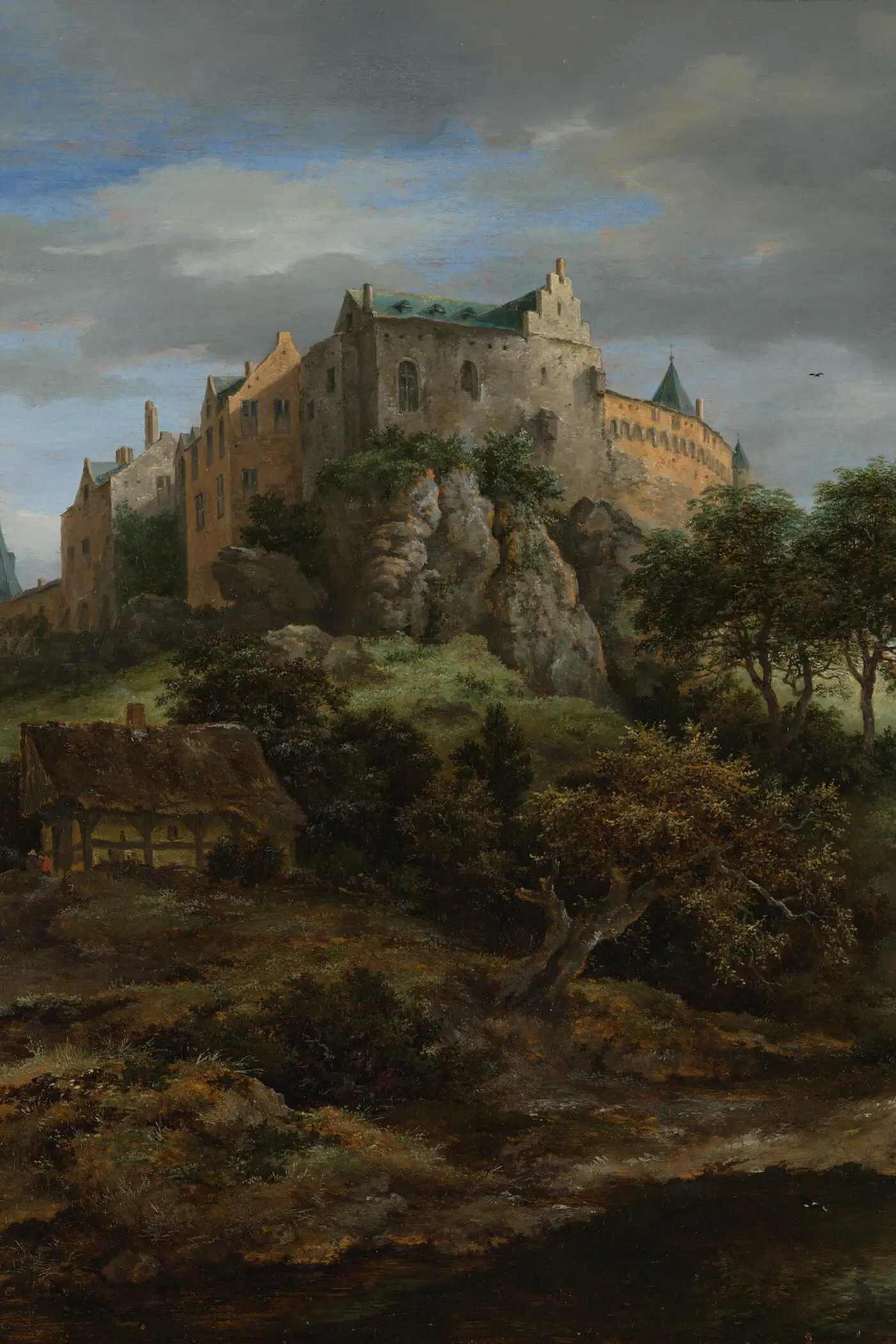
The Mysteries of Udolpho
What is The Mysteries of Udolpho about?
The Mysteries of Udolpho (1794) is Ann Radcliffe’s most famous novel and one of the most influential Gothic works ever written. It follows Emily St. Aubert, a young Frenchwoman who, after her father’s death, falls under the power of the sinister Montoni, who imprisons her in the remote Castle of Udolpho in the Apennines. Emily encounters seemingly supernatural terrors, hidden passages, and dark secrets while maintaining her virtue and rational mind. The novel’s four volumes create an immersive atmosphere of suspense and sublime landscape. Jane Austen famously referenced it in Northanger Abbey, and it set the template for Gothic fiction for generations.
Main themes in The Mysteries of Udolpho
Gothic masterpiece
In The Mysteries of Udolpho, gothic masterpiece provides a lens for understanding the story's core message.
Female resilience
Female resilience emerges as a defining element in The Mysteries of Udolpho, shaping character development.
The sublime
The Mysteries of Udolpho thoughtfully explores the sublime through its central conflicts.
Imprisonment
The presence of imprisonment in The Mysteries of Udolpho connects readers to its enduring relevance.
Why The Mysteries of Udolpho is still relevant today
The Mysteries of Udolpho defined the Gothic novel and influenced virtually every subsequent work in the genre. Its themes of female resilience against imprisonment and male tyranny resonate with modern feminist readings of Gothic literature.
More by this author
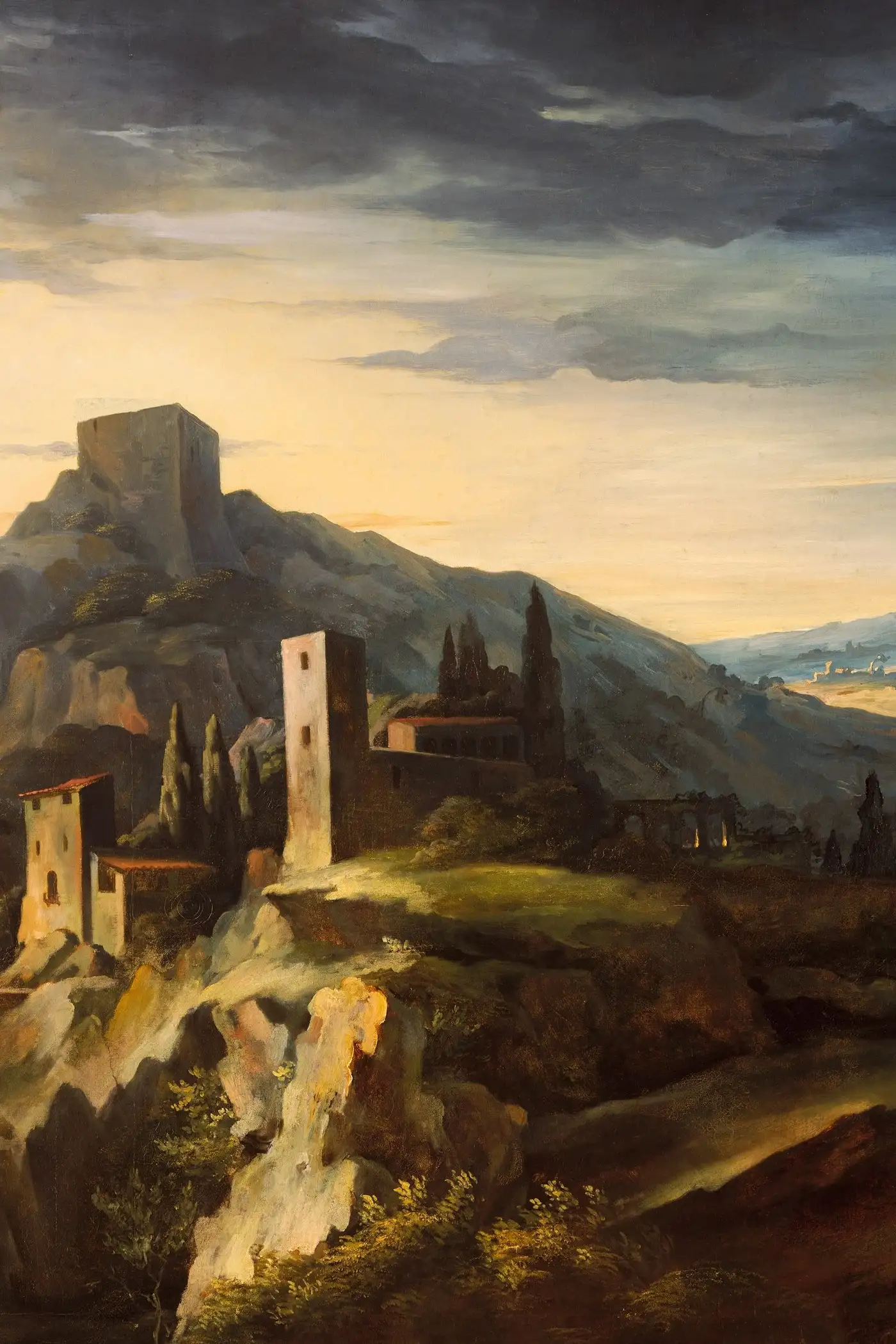
Frequently Asked Questions
What is The Mysteries of Udolpho about?
A young Frenchwoman is imprisoned in a remote Italian castle by her villainous guardian, facing seemingly supernatural terrors while maintaining her courage and reason.
Why is it considered important?
It defined the Gothic novel genre and influenced countless writers including the Brontës, Poe, and Austen, who parodied it affectionately in Northanger Abbey.
Is it long?
Yes, it is a substantial four-volume novel. TextStack’s chapter navigation helps you read it comfortably at your own pace.
Can I read it free online?
Yes, the complete text is available free on TextStack.