The Night Land
What is The Night Land about?
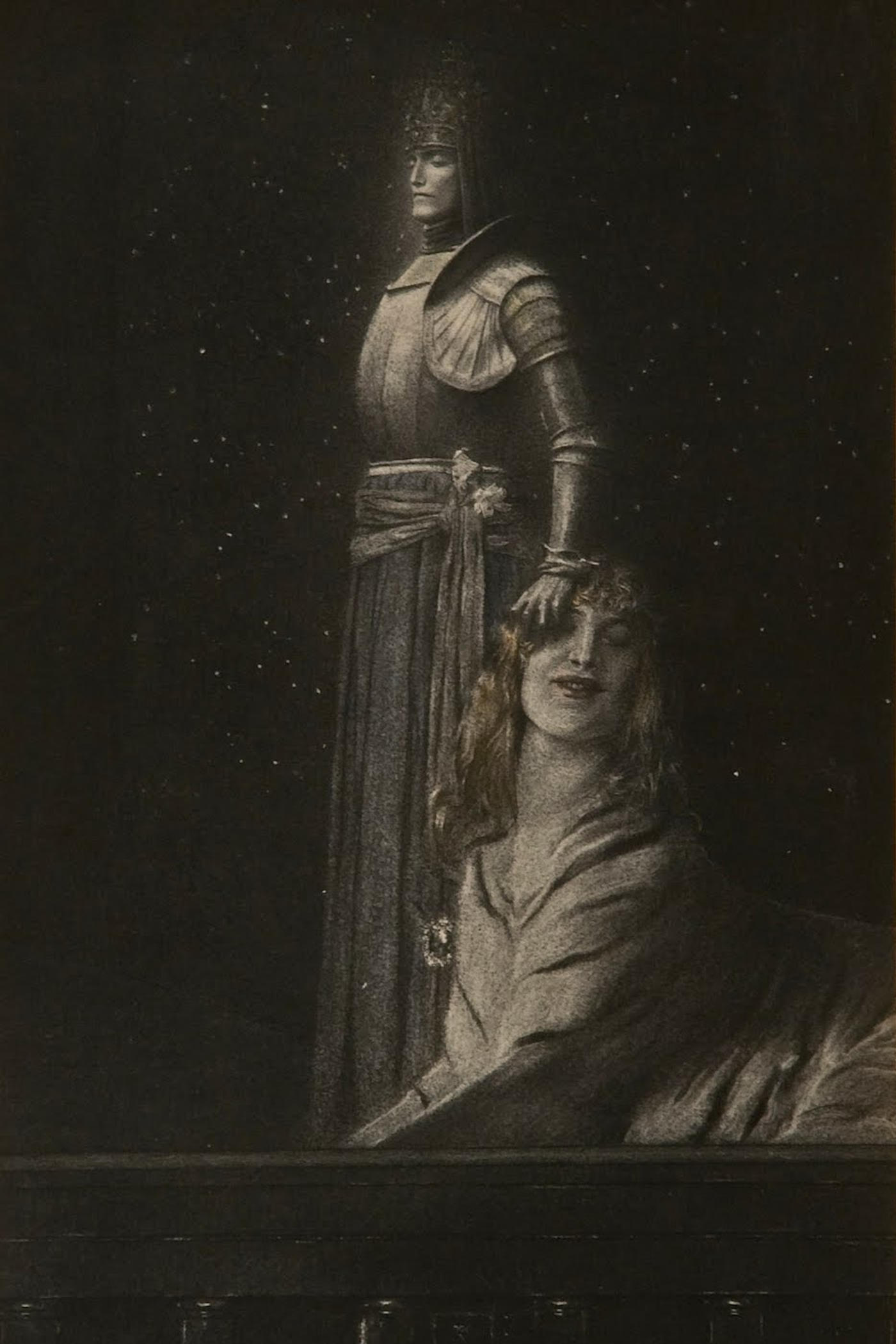
The Night Land (1912) is William Hope Hodgson’s extraordinary science fiction novel set millions of years in the future, when the sun has died and the last humans survive in a colossal metal pyramid surrounded by an eternal darkness populated by monstrous entities. The narrator undertakes a desperate journey across the Night Land to rescue a woman whose telepathic call he has received. Despite its deliberately archaic prose style, the novel’s visionary scope—its images of a dying earth, its terrifying creatures, and its vast dark landscapes—has earned it recognition as one of the most imaginative works in all of speculative fiction.
Main themes in The Night Land
Dying Earth
Dying Earth emerges as a defining element in The Night Land, shaping character development.
Far future
In The Night Land, far future provides a lens for understanding the story's core message.
Cosmic scale
The theme of cosmic scale weaves through The Night Land, adding depth to its narrative.
The Last Redoubt
The presence of the last redoubt in The Night Land connects readers to its enduring relevance.
Why The Night Land is still relevant today
The Night Land is one of the most extraordinarily imaginative novels ever written. Its vision of a far-future dying earth has influenced science fiction and fantasy for over a century.
More by this author
Frequently Asked Questions
What is The Night Land about?
Millions of years in the future, after the sun has died, a man journeys across a terrifying dark landscape to rescue the woman he loves.
Is it difficult to read?
Hodgson uses a deliberately archaic prose style that some find challenging. But the visionary imagination is extraordinary.
Why is it considered important?
Its vision of a far-future dying earth is one of the most extraordinary feats of imagination in all of speculative fiction.
Can I read it free online?
Yes, the complete novel is available free on TextStack.