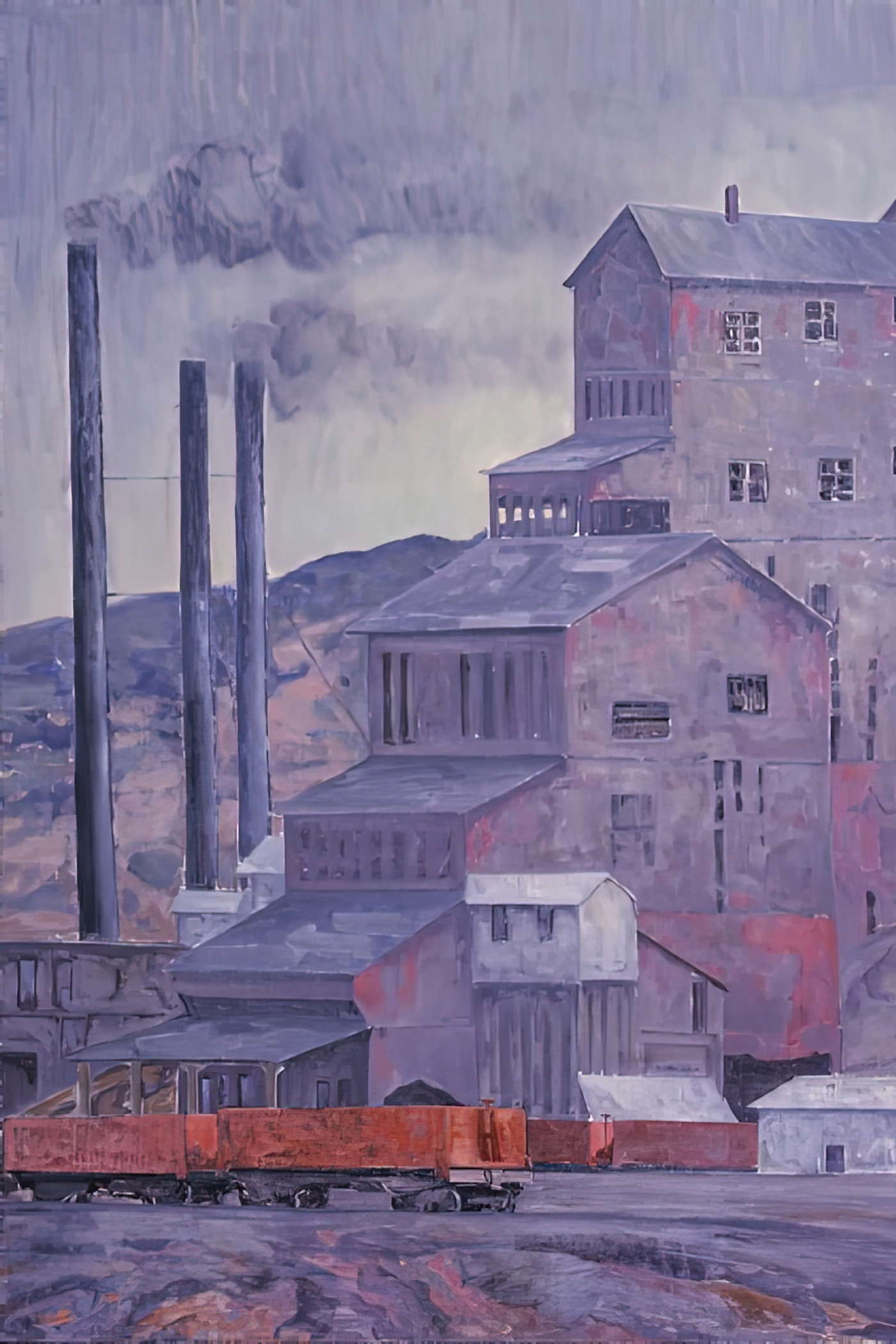
The Servile State
What is The Servile State about?
The Servile State (1912) is Hilaire Belloc’s most influential work of political theory. Belloc argues that industrial capitalism, by concentrating property in few hands, inevitably leads to a “servile state” in which the propertyless majority accepts legal compulsion to labor in exchange for security—a condition he considers worse than either genuine capitalism or socialism. He traces this tendency from the Roman Empire through the Reformation and into the modern welfare state, proposing distributism—widespread property ownership—as the alternative. The book is a landmark of political economy that anticipated many twentieth-century debates.
Main themes in The Servile State
Distributism
The presence of distributism in The Servile State connects readers to its enduring relevance.
Political economy
The presence of political economy in The Servile State connects readers to its enduring relevance.
Critique of capitalism
The presence of critique of capitalism in The Servile State connects readers to its enduring relevance.
Welfare state
The Servile State thoughtfully explores welfare state through its central conflicts.
Why The Servile State is still relevant today
The Servile State’s critique of economic concentration and its prediction of a welfare-dependent workforce have proved remarkably prescient. The book remains essential reading for anyone interested in distributism, Catholic social teaching, or alternatives to mainstream economics. Read it free online on TextStack.
More by this author

Frequently Asked Questions
What is The Servile State about?
The Servile State argues that industrial capitalism leads inevitably to a condition where the propertyless majority accepts compulsory labor for security, and proposes distributism—widespread property ownership—as the alternative.
What is the servile state?
Belloc defines the servile state as a society where those who do not own productive property are legally compelled to work for those who do, in exchange for guaranteed sustenance—a form of legal servitude.
Where can I read The Servile State online?
You can read The Servile State by Hilaire Belloc free online on TextStack.
Is The Servile State still relevant?
Yes, its analysis of how economic concentration leads to dependency has been cited by economists and political thinkers across the spectrum, making it relevant to contemporary debates about inequality and economic freedom.