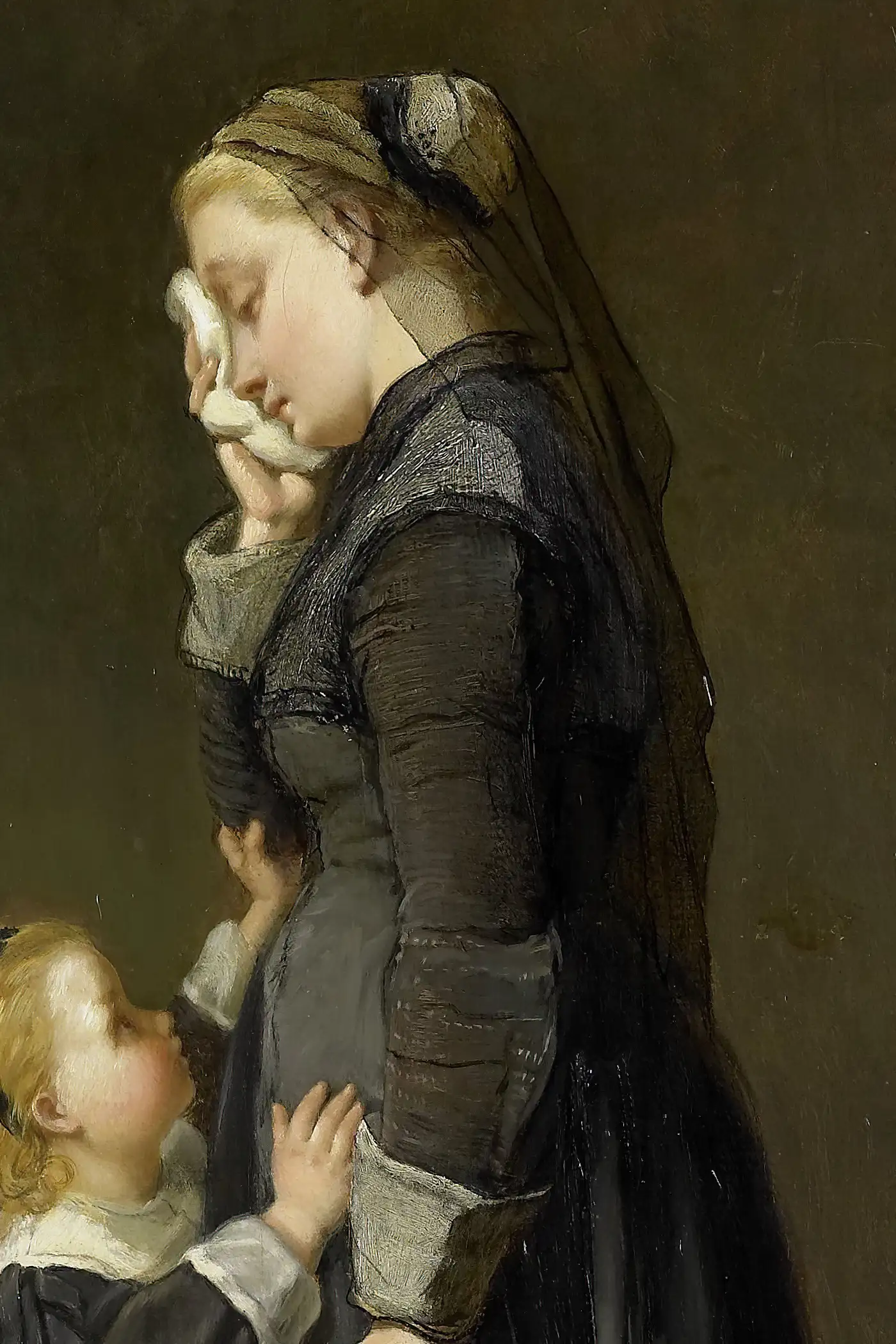
The Tenant of Wildfell Hall
What is The Tenant of Wildfell Hall about?
The Tenant of Wildfell Hall (1848) is Anne Brontë’s second and final novel, a bold and controversial work about Helen Graham, a mysterious young widow who moves into a dilapidated mansion with her young son. The novel reveals through her diary that she has actually fled an abusive, alcoholic husband—a shocking premise for the Victorian era. Brontë unflinchingly depicts the horrors of living with an addict and asserts a woman’s moral right to leave a destructive marriage and protect her child. The novel’s innovative structure combines epistolary and diary formats within a framing narrative.
Main themes in The Tenant of Wildfell Hall
Domestic abuse
Domestic abuse emerges as a defining element in The Tenant of Wildfell Hall, shaping character development.
Alcoholism
In The Tenant of Wildfell Hall, alcoholism provides a lens for understanding the story's core message.
Women's rights
The Tenant of Wildfell Hall thoughtfully explores women's rights through its central conflicts.
Victorian feminism
The Tenant of Wildfell Hall thoughtfully explores victorian feminism through its central conflicts.
Why The Tenant of Wildfell Hall is still relevant today
The Tenant of Wildfell Hall is now recognized as one of the first sustained feminist novels in English, addressing domestic abuse, alcoholism, and women’s legal rights decades before these became mainstream concerns. It remains powerfully relevant.
More by this author
Frequently Asked Questions
What is The Tenant of Wildfell Hall about?
A woman flees her abusive, alcoholic husband with her son and establishes a new life under a false identity. The novel reveals her story through diary entries.
Why is it considered feminist?
It asserts a woman’s moral right to leave a destructive marriage and protect her child—a radical position in 1848 when married women had virtually no legal rights.
Is it a gothic novel?
It has gothic elements (the mysterious mansion, the hidden past) but is fundamentally a work of social realism about domestic abuse and women’s independence.
Can I read it free online?
Yes, the complete novel is available free on TextStack.