The Thirty-Nine Steps
What is The Thirty-Nine Steps about?
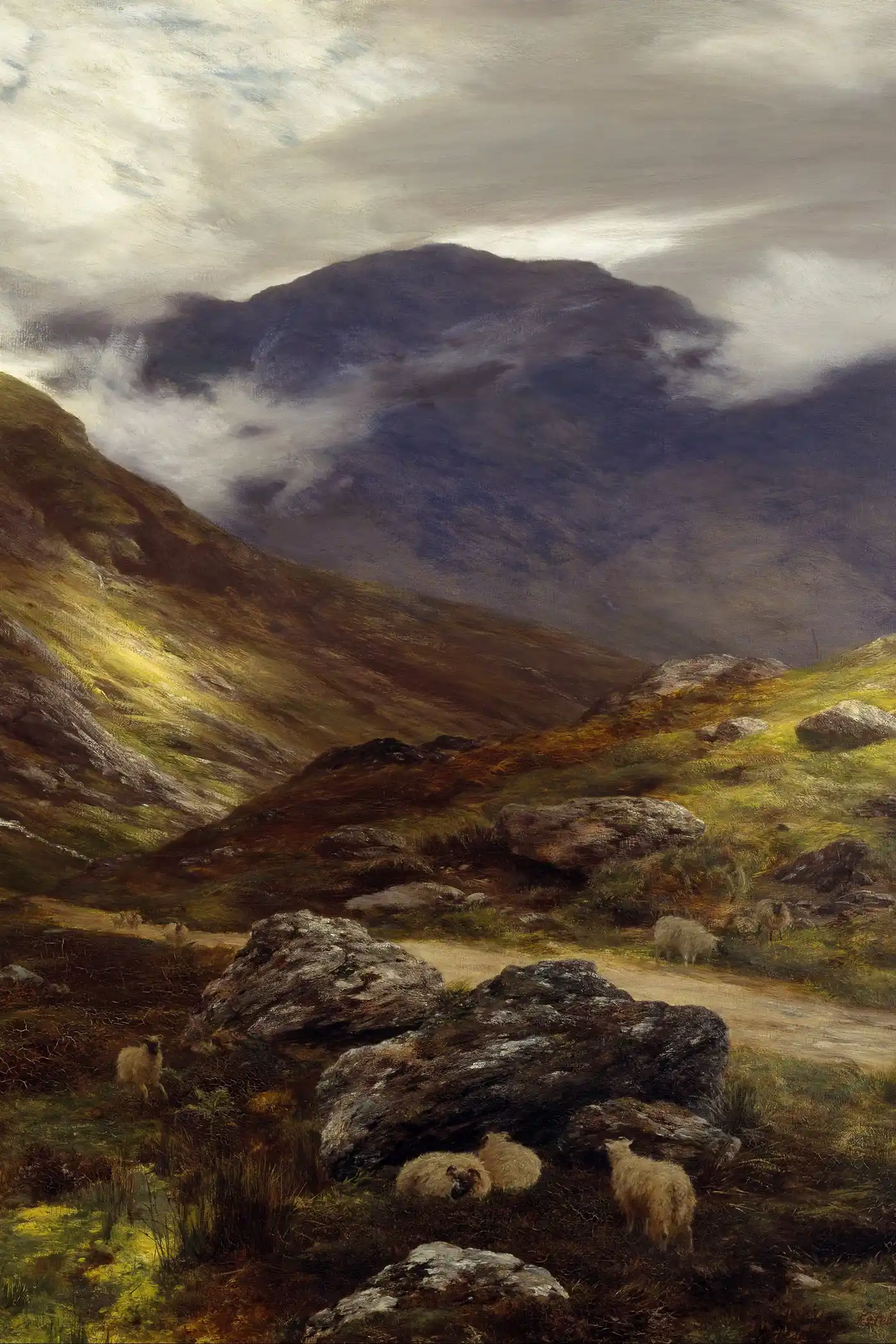
Published in 1915, The Thirty-Nine Steps is a thriller set in Britain on the eve of the First World War. The novel’s protagonist, Richard Hannay, is an expatriate Scot who has just returned to London after many years in South Africa working in the mining industry. He finds England extremely dull and is just considering returning to South Africa when he is accosted by another inhabitant of the block of flats where he is living. This man, Scudder, tells Hannay he knows of a fantastical plot by England’s enemies to create a diplomatic scandal. Hannay, at first skeptical, eventually accepts that there is something in it and harbours Scudder in his own flat. Returning to his flat some days later, Hannay is horrified to find Scudder stabbed to death. Realising that he will be suspected by the police, and that he may also be in danger from the plotters, Hannay flees London. What follows is an exciting chase across Scotland, with Hannay frequently coming close to capture. The Thirty-Nine Steps was immediately popular, particularly with troops in the trenches of the First World War. It has remained popular and has been used as the basis for several movies including one directed by Alfred Hitchcock in 1935. It could also be seen as the prototype of several similarly themed movies and television shows such as The Fugitive . John Buchan continued the adventures of Richard Hannay in a series of sequels. He also had a highly distinguished government and diplomatic career, ultimately becoming Governor General of Canada.
Main themes in The Thirty-Nine Steps
Espionage and intrigue
The Thirty-Nine Steps thoughtfully explores espionage and intrigue through its central conflicts.
The ordinary man as hero
The theme of the ordinary man as hero weaves through The Thirty-Nine Steps, adding depth to its narrative.
Chase and pursuit
The presence of chase and pursuit in The Thirty-Nine Steps connects readers to its enduring relevance.
British identity and empire
In The Thirty-Nine Steps, british identity and empire provides a lens for understanding the story's core message.
Why The Thirty-Nine Steps is still relevant today
The Thirty-Nine Steps essentially invented the modern thriller, John Buchan's tale of an innocent man caught in espionage establishing conventions that spy fiction and action films still employ. The "wrong man" plot, chase across varied landscapes, and ticking-clock tension all originate here. Alfred Hitchcock's famous adaptation introduced these elements to cinema. Readers seeking the origins of the thriller genre will find this short, exciting novel surprisingly modern in its pace and pleasures.
More by this author
Frequently Asked Questions
What is The Thirty-Nine Steps about?
Richard Hannay, bored in London, becomes entangled in espionage when a stranger is murdered in his flat. Pursued by both police and foreign agents, he must uncover a conspiracy threatening Britain while fleeing across the Scottish countryside.
How did this novel influence thrillers?
Buchan created templates still used in spy fiction: the amateur hero, chase across landscapes, ticking-clock plot, conspiracy among respectable citizens. Alfred Hitchcock adapted the novel, and countless subsequent thrillers follow patterns Buchan established.
How long is The Thirty-Nine Steps?
At roughly 100 pages, it's a quick read—a few hours. Its brevity contributes to its pace. Buchan wrote it during World War I convalescence, reportedly in serial installments. Its tightness influenced the thriller genre's characteristic momentum.
What are the thirty-nine steps?
The steps are a location significant to the conspiracy—specifically, a staircase at a coastal location used by spies. Hannay must decode this clue to thwart the villains. The mystery of the title drives the plot forward.
Is Hannay in other novels?
Yes, Hannay appears in four more Buchan novels: Greenmantle, Mr. Standfast, The Three Hostages, and The Island of Sheep. These continue his adventures during and after World War I, expanding his character and the Buchan 'thriller world.'