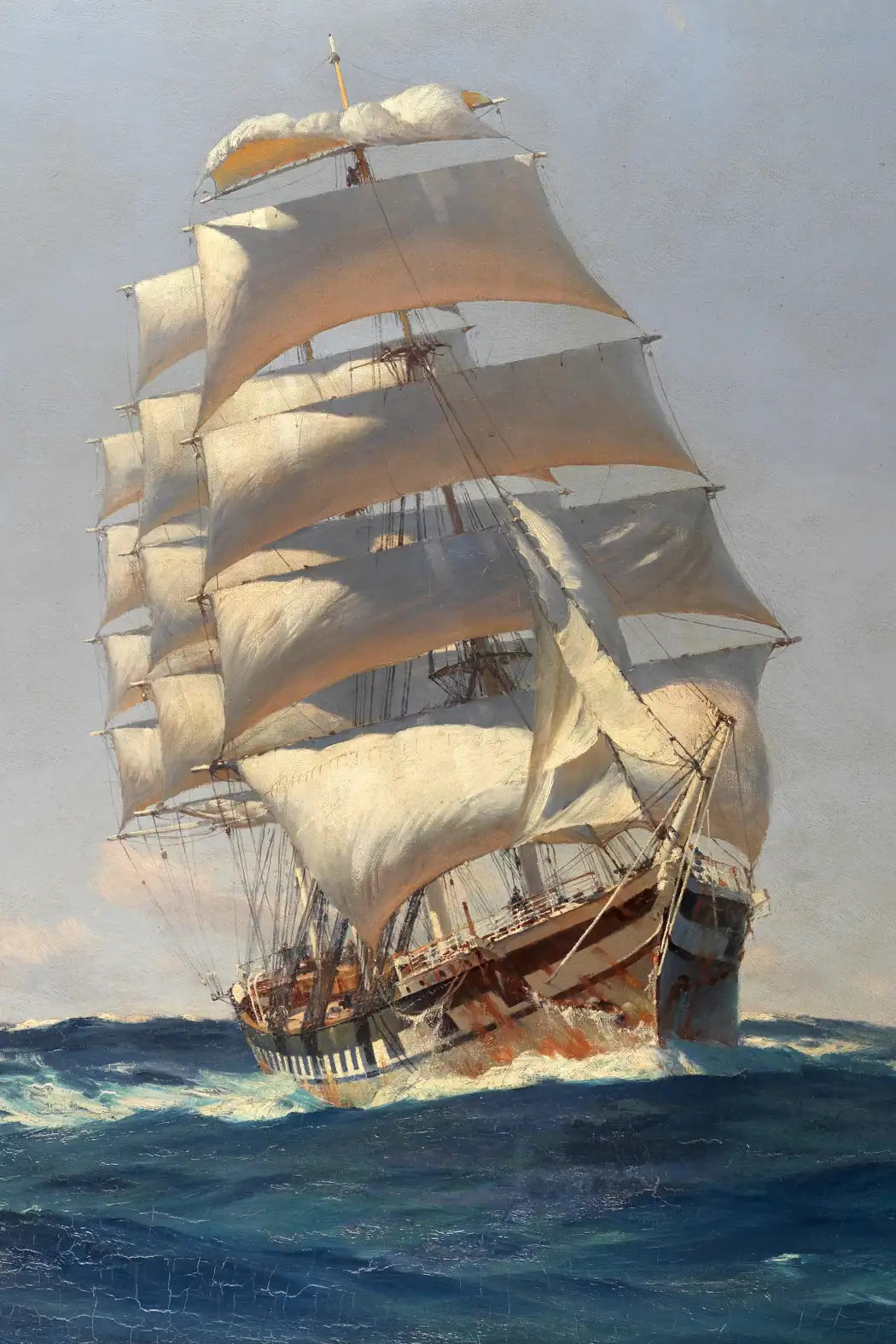
The Voyage of the Beagle
What is The Voyage of the Beagle about?
The Voyage of the Beagle (1839) is Charles Darwin’s account of his five-year journey aboard HMS Beagle (1831–1836), which took him to South America, the Galápagos Islands, Australia, and beyond. Part travel narrative, part natural history, the book records Darwin’s observations of geology, wildlife, indigenous peoples, and ecosystems that would later inform his theory of evolution. His descriptions of the Galápagos finches, South American fossils, and coral reefs are among the most famous passages in scientific literature. The book established Darwin’s reputation and remains one of the greatest works of scientific travel writing.
Main themes in The Voyage of the Beagle
Scientific travel writing
Scientific travel writing emerges as a defining element in The Voyage of the Beagle, shaping character development.
Natural history
Natural history emerges as a defining element in The Voyage of the Beagle, shaping character development.
Galápagos Islands
The theme of galápagos islands weaves through The Voyage of the Beagle, adding depth to its narrative.
South America
The presence of south america in The Voyage of the Beagle connects readers to its enduring relevance.
Why The Voyage of the Beagle is still relevant today
The Voyage of the Beagle is both a superb travel narrative and the origin story of evolutionary theory. It shows how direct observation in nature led Darwin to his revolutionary ideas.
More by this author
Frequently Asked Questions
What is The Voyage of the Beagle about?
Darwin’s account of his five-year journey around the world, recording observations of geology, wildlife, and peoples that later informed his theory of evolution.
Is this about evolution?
It predates On the Origin of Species and does not present the full theory, but contains the observations—especially from the Galápagos—that led Darwin to develop it.
Is it a good read?
Excellent. It is vivid, accessible travel writing that brings 19th-century exploration to life.
Can I read it free?
Yes, the complete text is available free on TextStack.