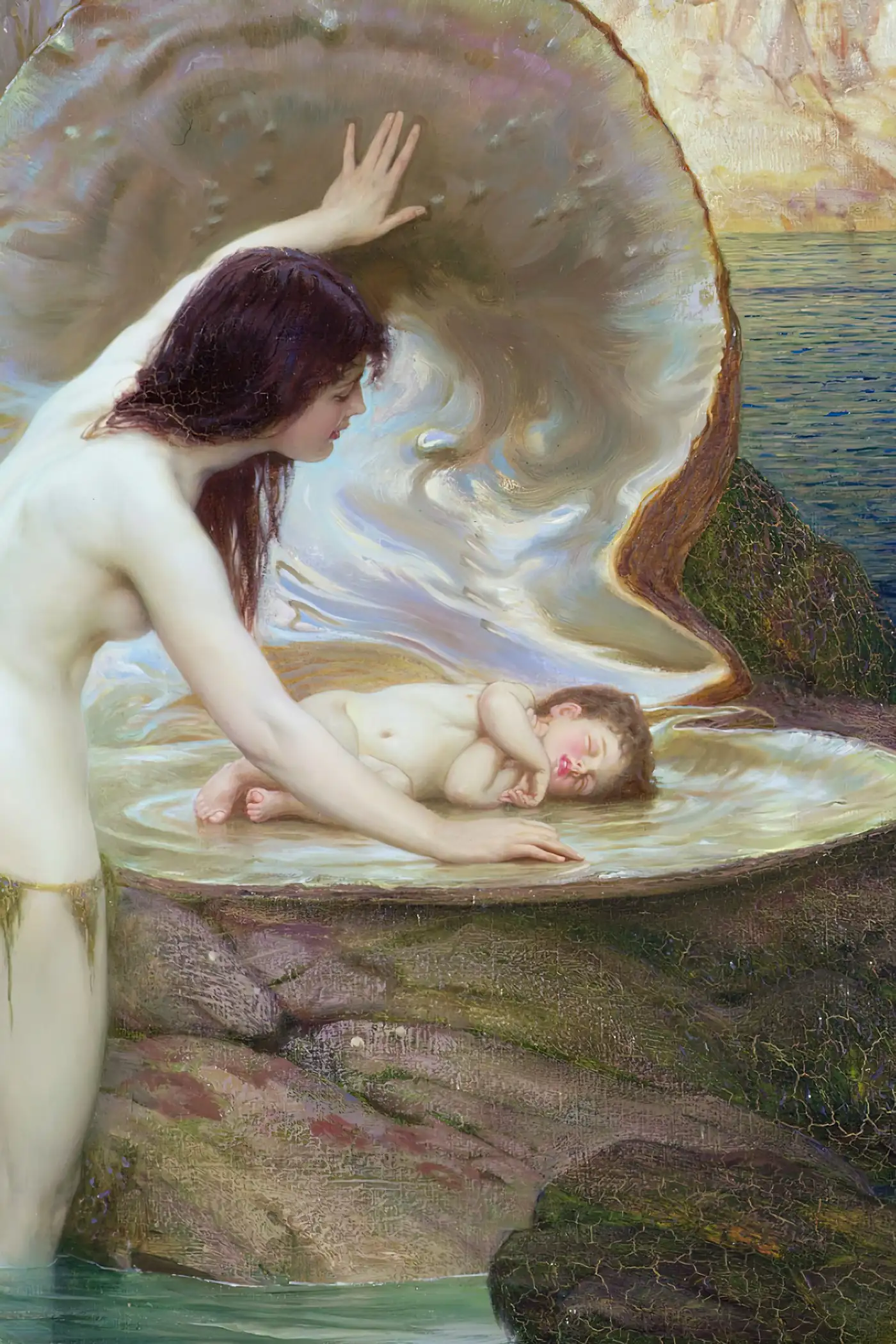
The Water-Babies
What is The Water-Babies about?
The Water-Babies, A Fairy Tale for a Land Baby (1863) is Charles Kingsley's beloved and bizarre children's fantasy. Young Tom, a chimney sweep badly treated by his master Mr. Grimes, falls into a river and is transformed into a water-baby—a tiny aquatic creature who embarks on an underwater journey of moral education. Guided by the mysterious Mrs. Doasyouwouldbedoneby and Mrs. Bedonebyasyoudid, Tom learns compassion and responsibility. The book is simultaneously a charming fairy tale, a satire on Victorian society, a critique of child labor, and a meditation on evolution and natural science. Its mixture of fantasy and social commentary remains unique in English literature.
Main themes in The Water-Babies
Victorian Fantasy
The presence of victorian fantasy in The Water-Babies connects readers to its enduring relevance.
Child Labor Criticism
In The Water-Babies, child labor criticism provides a lens for understanding the story's core message.
Underwater Adventure
The presence of underwater adventure in The Water-Babies connects readers to its enduring relevance.
Moral Education
Moral Education emerges as a defining element in The Water-Babies, shaping character development.
Why The Water-Babies is still relevant today
The Water-Babies is one of the most imaginative Victorian children's books, combining fairy-tale magic with sharp social criticism. Its critique of child labor and advocacy for reform give it lasting significance.
Frequently Asked Questions
What is The Water-Babies about?
A chimney sweep boy is transformed into a tiny water-baby and undergoes a moral education through underwater adventures.
Is The Water-Babies just a children's book?
It works on multiple levels—as fairy tale, social satire, critique of child labor, and meditation on evolution and morality.
Where can I read The Water-Babies online?
You can read it free on TextStack.