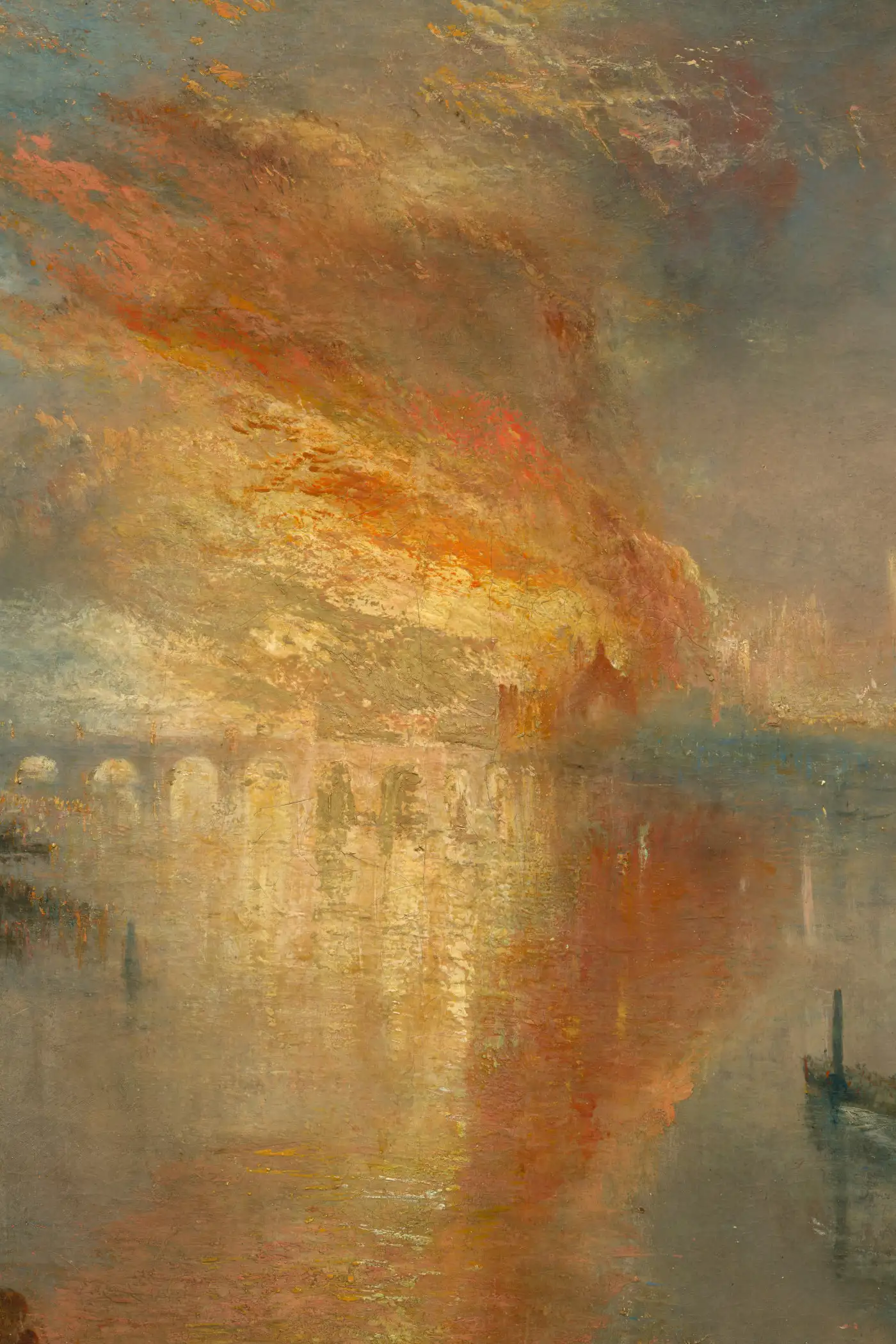
Theodore Savage
What is Theodore Savage about?
Theodore Savage (1922) is Cicely Hamilton’s dystopian novel envisioning the complete collapse of civilization following a devastating war. Theodore Savage, an ordinary English civil servant, witnesses society’s disintegration as modern technology is turned against humanity. As infrastructure crumbles and social order dissolves, survivors revert to primitive existence, eventually developing a superstitious fear and hatred of science itself. The novel is a remarkably prescient warning about total war, technological destruction, and the fragility of civilization, written just four years after World War I and decades before nuclear weapons made such scenarios terrifyingly plausible.
Main themes in Theodore Savage
Dystopian fiction
In Theodore Savage, dystopian fiction provides a lens for understanding the story's core message.
Civilizational collapse
The presence of civilizational collapse in Theodore Savage connects readers to its enduring relevance.
Anti-war
Theodore Savage thoughtfully explores anti-war through its central conflicts.
Technology and destruction
The presence of technology and destruction in Theodore Savage connects readers to its enduring relevance.
Why Theodore Savage is still relevant today
Theodore Savage is a pioneering dystopian novel that anticipated later works like Nineteen Eighty-Four and A Canticle for Leibowitz. Its themes of civilizational collapse and anti-scientific backlash feel increasingly relevant.
More by this author
Frequently Asked Questions
What is Theodore Savage about?
A dystopian novel about civilization’s collapse after a devastating war, following an ordinary man as society reverts to primitive existence and develops hatred of science.
When was it written?
Published in 1922, just four years after WWI. It is remarkably prescient about total war and the fragility of modern civilization.
How does it compare to other dystopias?
It predates Huxley, Orwell, and most classic dystopias. Its focus on civilizational collapse rather than authoritarian control makes it distinctive.
Can I read it free?
Yes, the complete novel is available free on TextStack.