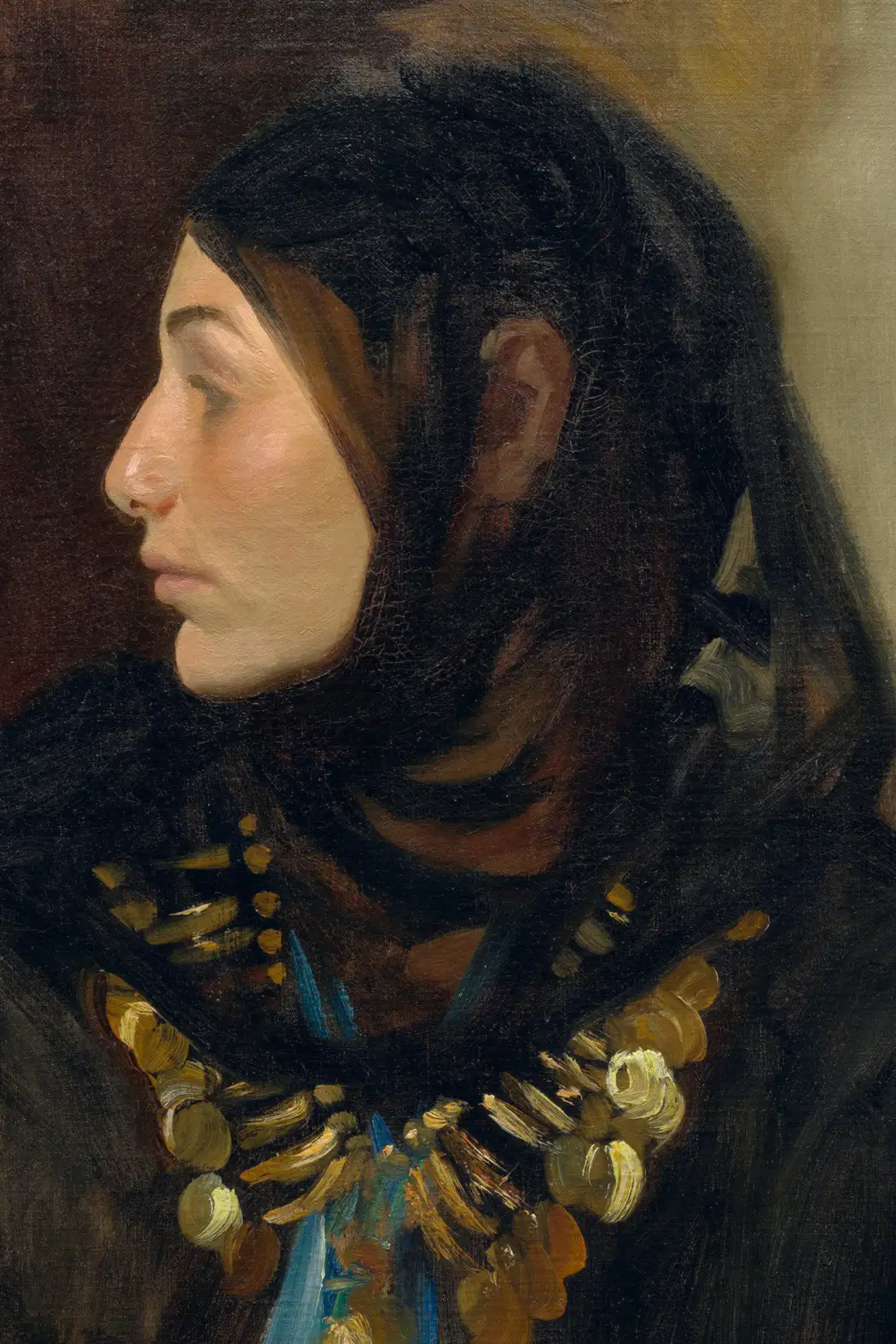
Veiled Women
What is Veiled Women about?
Veiled Women (1913) is Marmaduke Pickthall’s novel exploring the lives of women in Ottoman Turkish society, written with the intimate knowledge of a Western author who had spent years living in and deeply engaging with Middle Eastern culture. The novel offers a sympathetic and nuanced portrayal of women’s experiences within the harem system—their relationships, ambitions, jealousies, and the complex social dynamics that governed their lives. Unlike sensationalized Western accounts of the harem, Pickthall presents his female characters as fully realized individuals navigating a social system with its own internal logic and values. The novel draws on Pickthall’s extensive personal experience in the Ottoman Empire to create an authentic portrait of a world rarely depicted accurately in English-language fiction of the period.
Main themes in Veiled Women
Ottoman Women’s Lives
Veiled Women thoughtfully explores ottoman women’s lives through its central conflicts.
Cross-Cultural Fiction
The theme of cross-cultural fiction weaves through Veiled Women, adding depth to its narrative.
Harem Society
In Veiled Women, harem society provides a lens for understanding the story's core message.
East-West Understanding
The theme of east-west understanding weaves through Veiled Women, adding depth to its narrative.
Why Veiled Women is still relevant today
Veiled Women offers a corrective to the Orientalist stereotypes that dominated Western literature about the Middle East. Pickthall’s respectful, knowledgeable portrayal of Ottoman women’s lives provides valuable historical perspective and anticipates modern demands for authentic cross-cultural representation.
Frequently Asked Questions
What is Veiled Women about?
The novel explores the lives, relationships, and social dynamics of women in Ottoman Turkish society, portrayed with unusual sympathy and authenticity. Read it free on TextStack.
Is this an Orientalist novel?
Unlike most Western fiction about the Middle East from this era, Pickthall wrote from years of personal experience and genuine respect for Islamic culture, offering a far more nuanced portrayal.
Is Veiled Women difficult to read?
The prose is elegant and accessible, and the social dynamics Pickthall describes are engaging and relatable despite the unfamiliar cultural setting.
Why should I read this novel?
It provides a rare early 20th-century Western portrayal of Ottoman women’s lives that treats its subjects with dignity and complexity, offering valuable historical and cross-cultural perspective.