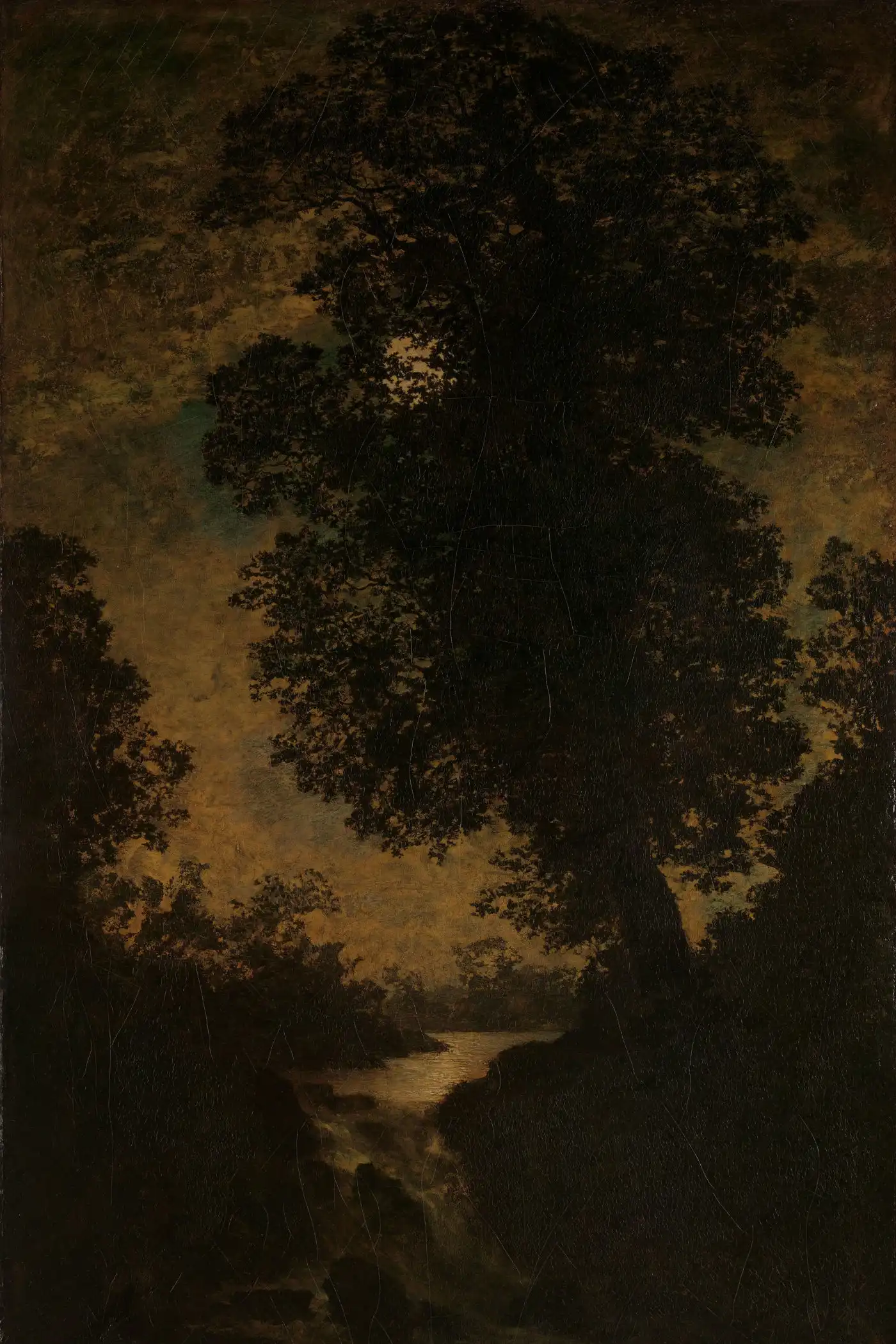
Vikram and the Vampire
What is Vikram and the Vampire about?
Vikram and the Vampire (1870) is Sir Richard Francis Burton’s adaptation of the Vetala Panchavimshati, a classic collection of Indian tales within a frame narrative. King Vikram must carry a vampire (vetala) on his back through a dark forest, and with each journey the vampire tells a story ending in a riddle. If Vikram answers correctly, the vampire escapes back to its tree and must be fetched again; if he remains silent, the vampire will kill him. The tales themselves range across Indian folklore: stories of clever judgment, impossible choices, magical transformations, and moral paradoxes. Burton brings his characteristic erudition and narrative flair to these stories, adding extensive footnotes on Indian customs, mythology, and comparative folklore. The work bridges Indian storytelling traditions and English literary culture, preserving the wit and philosophical depth of the original Sanskrit tales while making them accessible and entertaining for Western readers.
Main themes in Vikram and the Vampire
Indian Folklore
Vikram and the Vampire thoughtfully explores indian folklore through its central conflicts.
Sanskrit Literature
In Vikram and the Vampire, sanskrit literature provides a lens for understanding the story's core message.
Frame Narrative
The presence of frame narrative in Vikram and the Vampire connects readers to its enduring relevance.
Riddle Tales
The presence of riddle tales in Vikram and the Vampire connects readers to its enduring relevance.
Why Vikram and the Vampire is still relevant today
Vikram and the Vampire introduces English readers to the rich storytelling tradition of Indian folklore, with tales that combine entertainment with genuine philosophical depth. Its frame narrative structure has influenced storytelling traditions worldwide.
Frequently Asked Questions
What is Vikram and the Vampire about?
A king must carry a vampire through a forest while the creature tells riddle-stories from Indian folklore. If the king answers, the vampire escapes; silence means death. Read it free on TextStack.
Is this based on Indian folklore?
Yes. Burton adapted the Vetala Panchavimshati, a classic Sanskrit collection of tales within a frame narrative, bringing Indian storytelling tradition to English readers.
Is this book difficult to read?
The stories are entertaining and accessible, with Burton’s characteristic wit and erudition adding depth. The riddle format makes each tale engaging and self-contained.
How does this compare to The Arabian Nights?
Like his Arabian Nights, Burton brings Eastern storytelling to English readers with scholarly depth and narrative flair, but these Indian tales have a more philosophical, riddle-based structure.