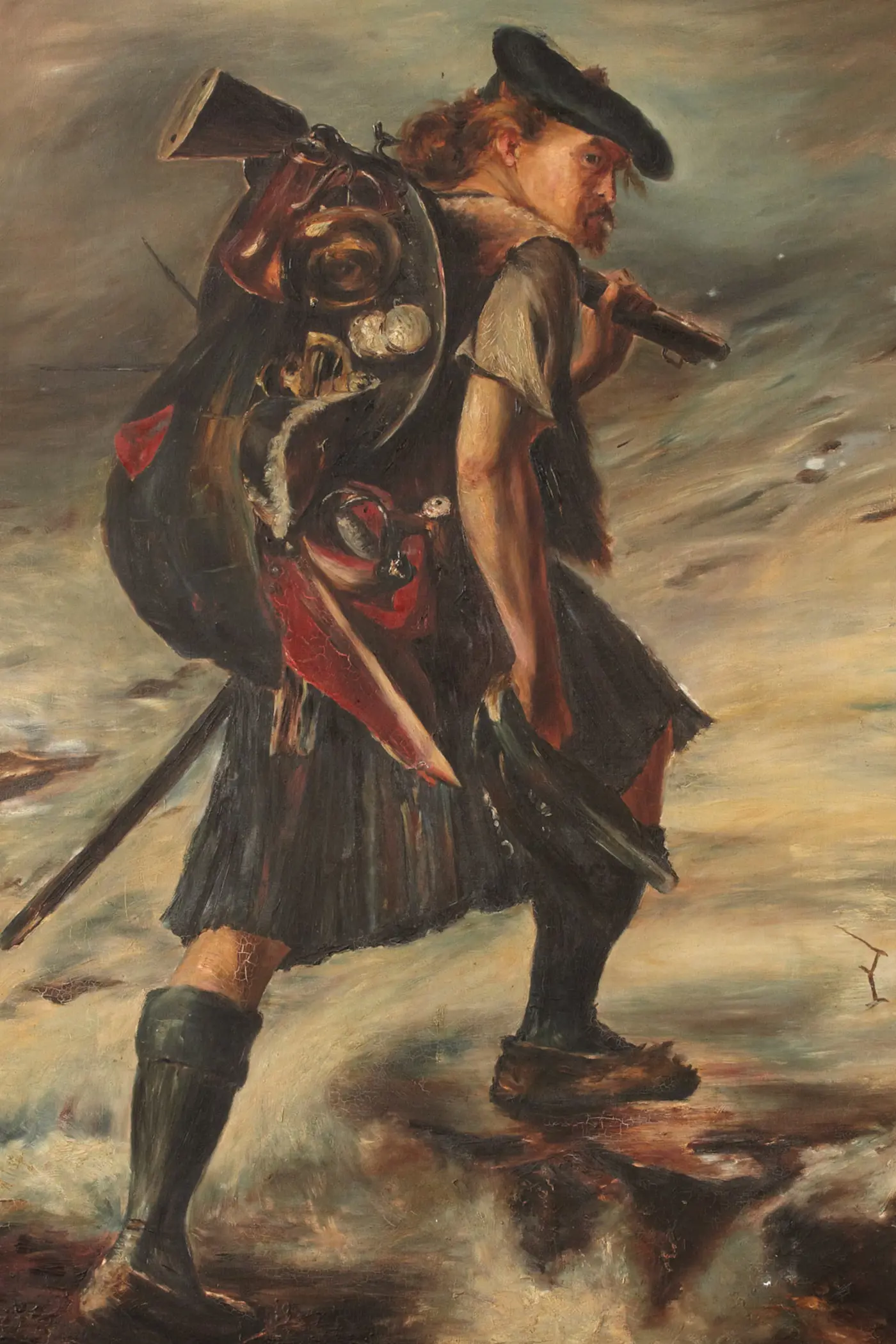
Waverley
What is Waverley about?
Waverley (1814) is Sir Walter Scott’s first novel and the work that established the historical novel as a genre. Set during the Jacobite Rising of 1745, it follows Edward Waverley, a young English officer who is drawn into the Highland culture of Scotland and the romantic cause of Bonnie Prince Charlie. As Waverley navigates between English loyalty and Scottish passion, Scott creates a panoramic portrait of a civilization in transition. The novel’s sympathetic depiction of Scottish Highland culture and its exploration of historical change influenced Balzac, Tolstoy, and the entire tradition of historical fiction.
Main themes in Waverley
Historical novel origin
The presence of historical novel origin in Waverley connects readers to its enduring relevance.
Jacobite Rising
The theme of jacobite rising weaves through Waverley, adding depth to its narrative.
Scottish Highlands
In Waverley, scottish highlands provides a lens for understanding the story's core message.
Bonnie Prince Charlie
The presence of bonnie prince charlie in Waverley connects readers to its enduring relevance.
Why Waverley is still relevant today
Waverley invented the historical novel and established conventions that influenced Balzac, Tolstoy, and all subsequent historical fiction. It remains the foundational text of the genre.
More by this author
Frequently Asked Questions
What is Waverley about?
A young English officer is drawn into Scottish Highland culture and the 1745 Jacobite rebellion, torn between English duty and Scottish romance.
Why is it historically important?
It is the first true historical novel. Scott established the conventions that every subsequent historical novelist has followed.
Is it difficult?
Scott’s early 19th-century prose requires some patience, but the story is compelling. TextStack’s chapter navigation helps.
Can I read it free online?
Yes, the complete novel is available free on TextStack.