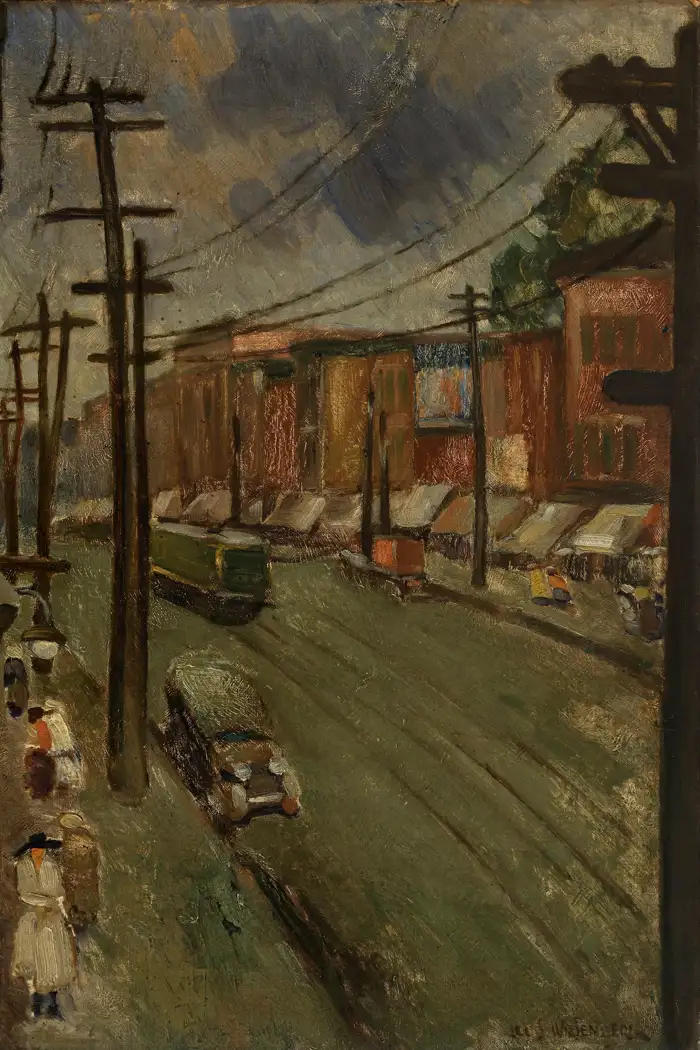
Winesburg, Ohio
What is Winesburg, Ohio about?
Winesburg, Ohio (1919) is Sherwood Anderson’s masterpiece, a cycle of interconnected stories that revolutionized American fiction. Set in the fictional small town of Winesburg, Ohio, the stories follow George Willard, a young newspaper reporter, as he encounters the town’s residents—each harboring secret desires, frustrated ambitions, and private agonies beneath their ordinary surfaces. Anderson called these characters “grotesques”: people whose lives have been distorted by clinging to a single truth. Written in spare, lyrical prose, the book is a landmark of American modernism and one of the most influential works of short fiction ever published.
Main themes in Winesburg, Ohio
Small-town loneliness
In Winesburg, Ohio, small-town loneliness provides a lens for understanding the story's core message.
Psychological portraits
Winesburg, Ohio thoughtfully explores psychological portraits through its central conflicts.
Repression
Repression emerges as a defining element in Winesburg, Ohio, shaping character development.
Artistic awakening
Artistic awakening emerges as a defining element in Winesburg, Ohio, shaping character development.
Why Winesburg, Ohio is still relevant today
Winesburg, Ohio remains essential to American literature. Its unflinching portrayal of loneliness, repression, and the hunger for connection in small-town life continues to resonate with modern readers.
Frequently Asked Questions
What is Winesburg, Ohio about?
A cycle of stories about the secret lives, frustrated desires, and hidden agonies of residents in a small Ohio town, seen through the eyes of a young reporter.
Is Winesburg, Ohio a novel or short stories?
It is a cycle of interconnected short stories—sometimes called a short story cycle or novel-in-stories—unified by setting and recurring characters.
Is Winesburg, Ohio difficult to read?
Anderson’s prose is spare and accessible. The emotional depth of the stories makes them powerful and easy to engage with.
Where can I read Winesburg, Ohio free?
You can read the full text free on TextStack.