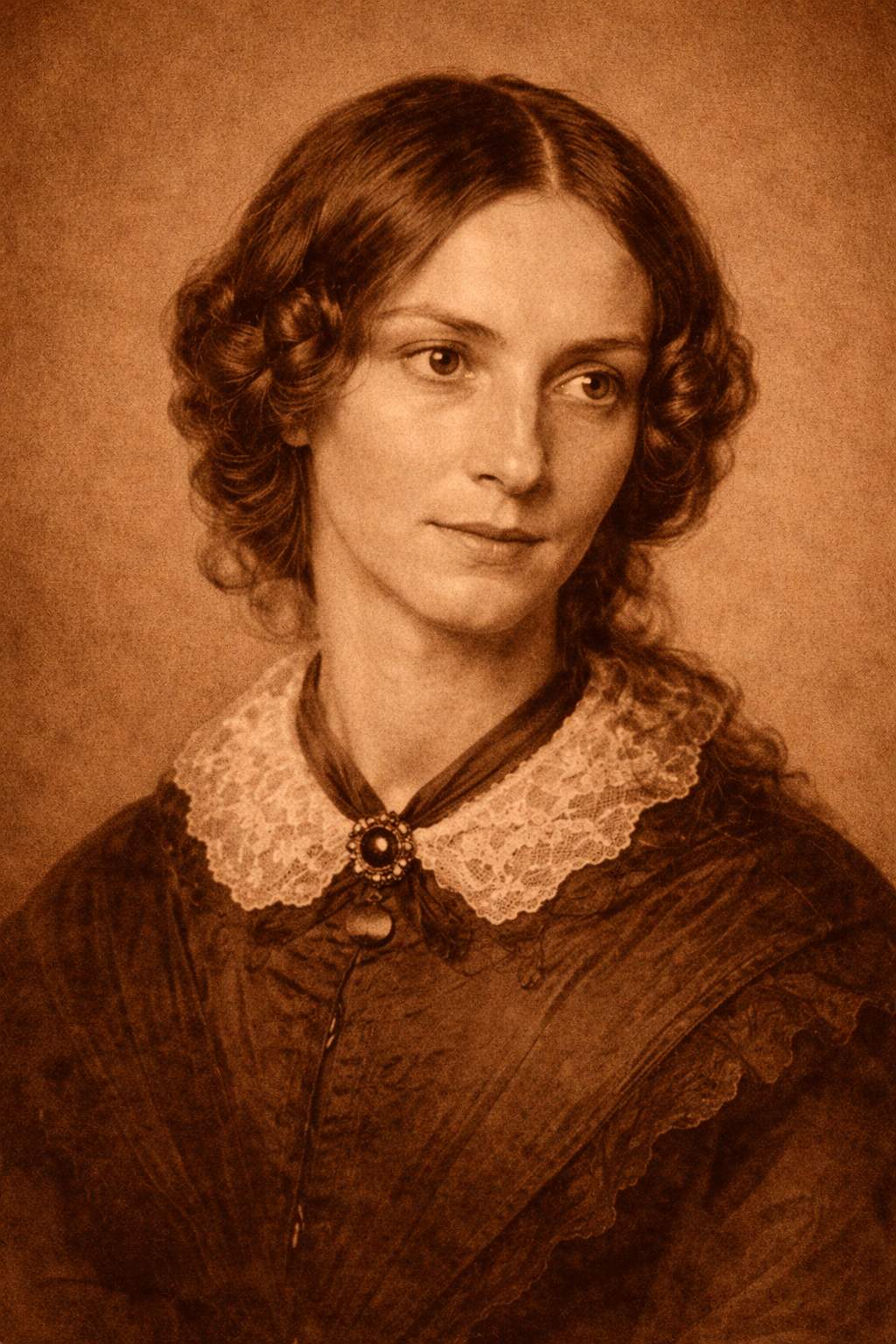
Anne Brontë
Biography
Anne Brontë (1820–1849) was an English novelist and poet, the youngest of the three Brontë sisters. Born in Thornton, Yorkshire, she grew up in the isolated parsonage at Haworth alongside Charlotte and Emily. Anne worked as a governess, an experience that deeply informed her fiction. Her first novel, Agnes Grey (1847), drew directly on her governess years. Her second and final novel, The Tenant of Wildfell Hall (1848), was a groundbreaking work addressing alcoholism, domestic abuse, and a woman’s right to leave a destructive marriage—radical themes for the Victorian era. Anne wrote under the pseudonym Acton Bell. She died of tuberculosis at age 29 in Scarborough. Though often overshadowed by her sisters, Anne’s work is increasingly recognized for its feminist themes and unflinching social realism.
Common themes in Anne Brontë's work
Victorian literature
A recurring theme throughout Anne Brontë's writing.
Feminist fiction
A recurring theme throughout Anne Brontë's writing.
Governess novels
A recurring theme throughout Anne Brontë's writing.
Domestic abuse
A recurring theme throughout Anne Brontë's writing.
Books
Explore by genre
Other authors you may enjoy
Why Anne Brontë is still read today
Anne Brontë’s novels, especially The Tenant of Wildfell Hall, are recognized as pioneering feminist works that addressed domestic abuse and women’s independence decades before the women’s movement. Her realistic prose style contrasts with her sisters’ more romantic approaches.
Frequently Asked Questions
Who was Anne Brontë?
Anne Brontë (1820–1849) was the youngest Brontë sister, an English novelist known for Agnes Grey and The Tenant of Wildfell Hall, noted for feminist themes and social realism.
What are her major works?
Agnes Grey (1847) and The Tenant of Wildfell Hall (1848). Both are available to read free on TextStack.
How is Anne different from Charlotte and Emily?
Anne’s writing is more realistic and socially engaged than Emily’s gothic romanticism or Charlotte’s passionate intensity. She tackled issues like alcoholism and domestic abuse head-on.
Where can I read Anne Brontë free?
Both of Anne Brontë’s novels are available to read free on TextStack.
Essential cookies keep you signed in and save your reading progress. Analytics cookies help us understand how the site is used. You can reject analytics — we still work without them. Learn more in our Privacy Policy.