August Strindberg
Biography
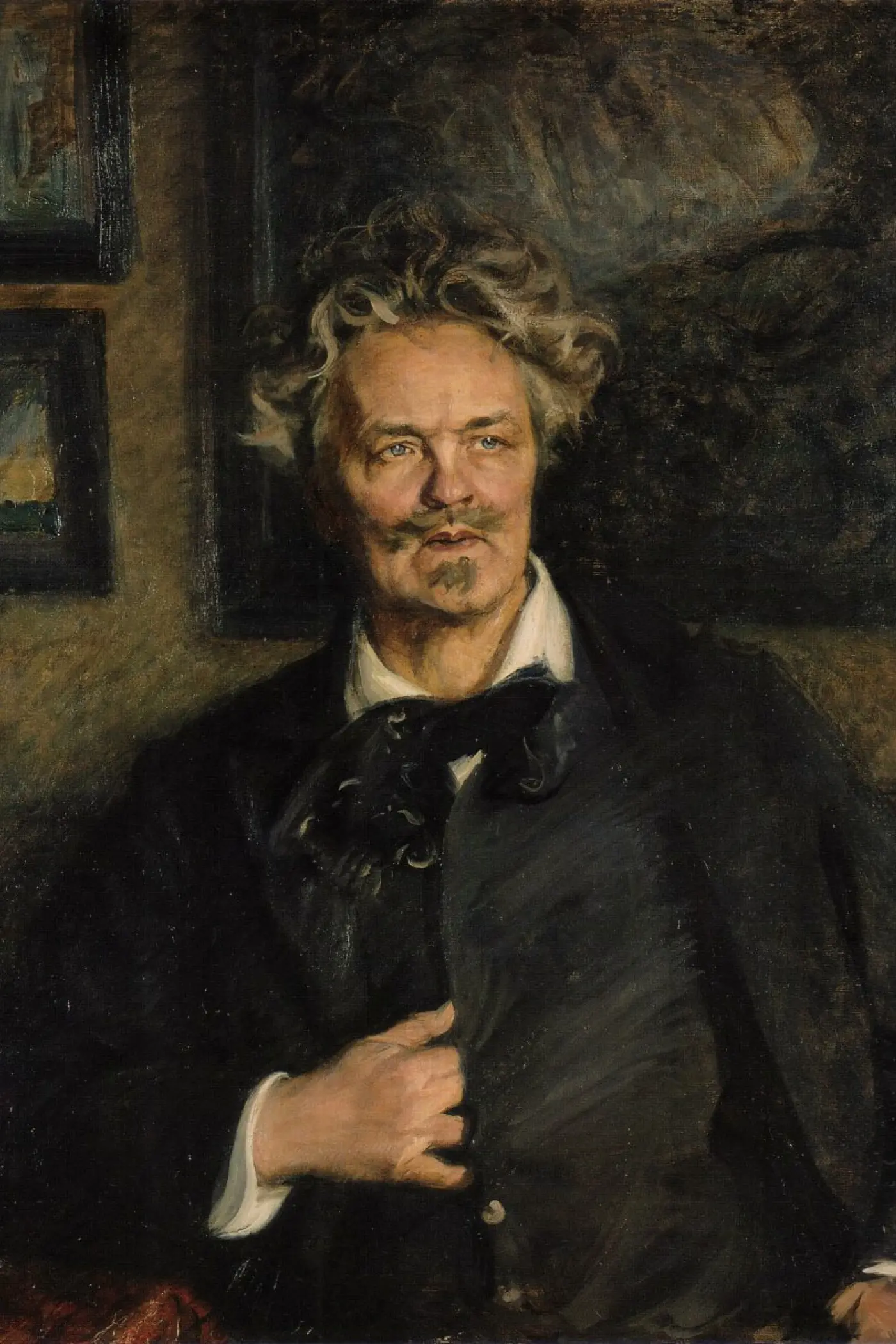
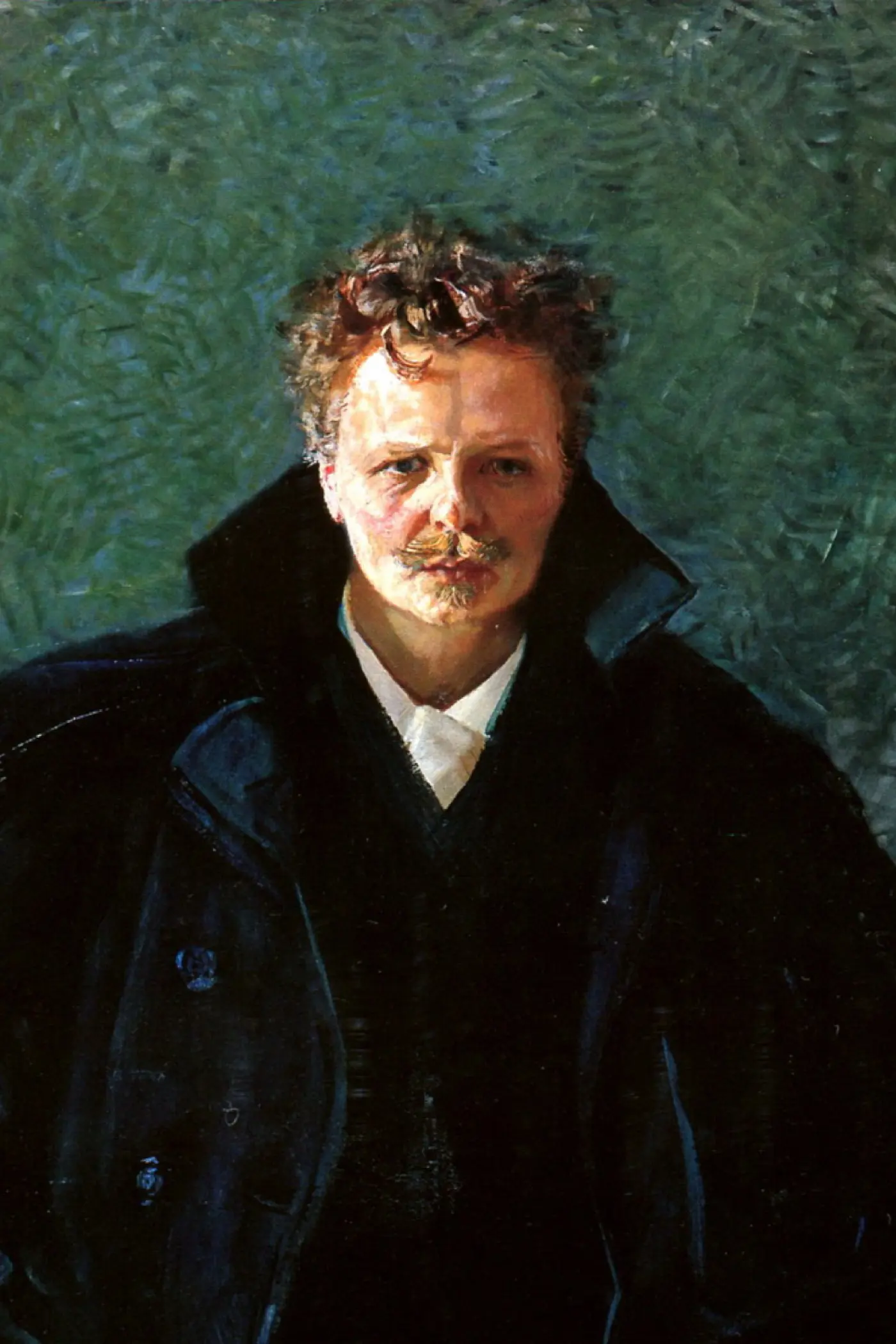
August Strindberg (1849–1912) was a Swedish playwright, novelist, and painter, widely regarded as Sweden’s greatest writer and one of the founders of modern drama. Born in Stockholm, he had a turbulent life marked by three failed marriages, mental breakdowns, and relentless creative output. His early naturalistic works, including The Red Room (1879), Sweden’s first modern novel, established him as a fearless social critic. His plays Miss Julie (1888) and The Father (1887) brought psychological intensity to the stage. After a severe personal crisis in the 1890s documented in The Inferno, he pioneered expressionist and symbolist drama with works like A Dream Play and The Ghost Sonata. Strindberg’s influence on modern theater rivals that of Ibsen.
Common themes in August Strindberg's work
Swedish literature
A recurring theme throughout August Strindberg's writing.
Modern drama
A recurring theme throughout August Strindberg's writing.
Naturalism
A recurring theme throughout August Strindberg's writing.
Expressionism
A recurring theme throughout August Strindberg's writing.
Books
Explore by genre
Other authors you may enjoy
Why August Strindberg is still read today
Strindberg’s psychological intensity and experimental dramaturgy profoundly influenced 20th-century theater, from O’Neill to Bergman. His unflinching exploration of gender conflict, class, and mental anguish remains strikingly modern.
Frequently Asked Questions
Who was August Strindberg?
August Strindberg (1849–1912) was Sweden’s greatest writer, a playwright and novelist who pioneered naturalistic and expressionist drama.
What are his major works?
Miss Julie, The Father, The Red Room, A Dream Play, and The Inferno. Several are available free on TextStack.
How did Strindberg influence modern theater?
His psychological realism and experimental techniques influenced O’Neill, Beckett, Bergman, and the entire expressionist movement.
Where can I read Strindberg free?
TextStack offers Strindberg works to read free online.
Essential cookies keep you signed in and save your reading progress. Analytics cookies help us understand how the site is used. You can reject analytics — we still work without them. Learn more in our Privacy Policy.