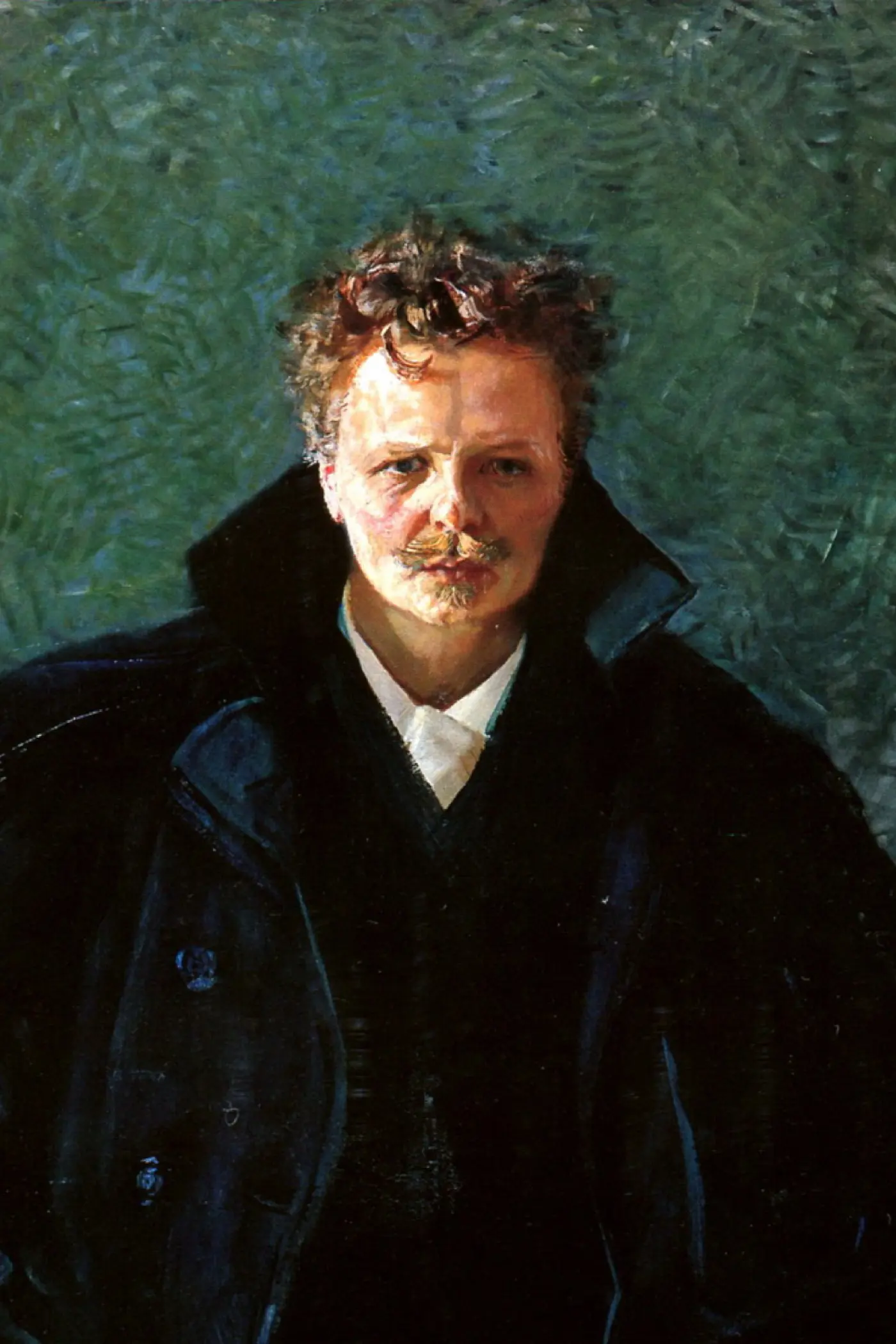
The Inferno
What is The Inferno about?
The Inferno (1897) is August Strindberg’s autobiographical account of his severe mental and spiritual crisis during the mid-1890s. Written in French and later translated to Swedish, the book documents Strindberg’s years of paranoia, occult experimentation, alchemical pursuits, and psychological breakdown in Paris and Austria. He interprets his suffering through the lens of Swedenborg’s mysticism, coming to see his torments as divine punishment and spiritual purification. Part confession, part mystical journal, The Inferno is a raw and disorienting document of a brilliant mind in crisis, and a pivotal text that marks Strindberg’s transition from naturalism to the symbolist and expressionist works of his later career.
Main themes in The Inferno
Mental crisis
Mental crisis emerges as a defining element in The Inferno, shaping character development.
Autobiography
Autobiography emerges as a defining element in The Inferno, shaping character development.
Occultism
The presence of occultism in The Inferno connects readers to its enduring relevance.
Swedenborgianism
The Inferno thoughtfully explores swedenborgianism through its central conflicts.
Why The Inferno is still relevant today
The Inferno is a landmark of confessional literature and a key document in understanding Strindberg’s artistic evolution. Its raw depiction of mental crisis anticipates modernist and existentialist literature.
More by this author
Frequently Asked Questions
What is The Inferno about?
Strindberg’s autobiographical account of his severe mental and spiritual crisis in the 1890s, documenting paranoia, occult experiments, and eventual embrace of Swedenborg’s mysticism.
Is it fiction or autobiography?
It is autobiographical, though Strindberg’s interpretation of events is filtered through his paranoid and mystical worldview.
Is it difficult to read?
It is intense and disorienting by design, reflecting Strindberg’s mental state. TextStack’s clean reader helps navigate the text.
Can I read it free?
Yes, the complete text is available free on TextStack.