Augustine of Hippo
Biography
Augustine of Hippo (354–430 CE), also known as Saint Augustine, was a theologian, philosopher, and Bishop of Hippo Regius in Roman North Africa. He is one of the most important figures in the development of Western Christianity and Western philosophy. Born in Thagaste (modern Algeria) to a pagan father and Christian mother (Saint Monica), Augustine led a worldly youth before his famous conversion to Christianity in 386 CE. His Confessions is one of the first great autobiographies, and The City of God is a monumental work of Christian philosophy written in response to the sack of Rome in 410 CE. Augustine's theology profoundly shaped Catholic, Protestant, and secular Western thought.
Common themes in Augustine of Hippo's work
Christian Theology
A recurring theme throughout Augustine of Hippo's writing.
Western Philosophy
A recurring theme throughout Augustine of Hippo's writing.
Church History
A recurring theme throughout Augustine of Hippo's writing.
Late Roman Empire
A recurring theme throughout Augustine of Hippo's writing.
Books
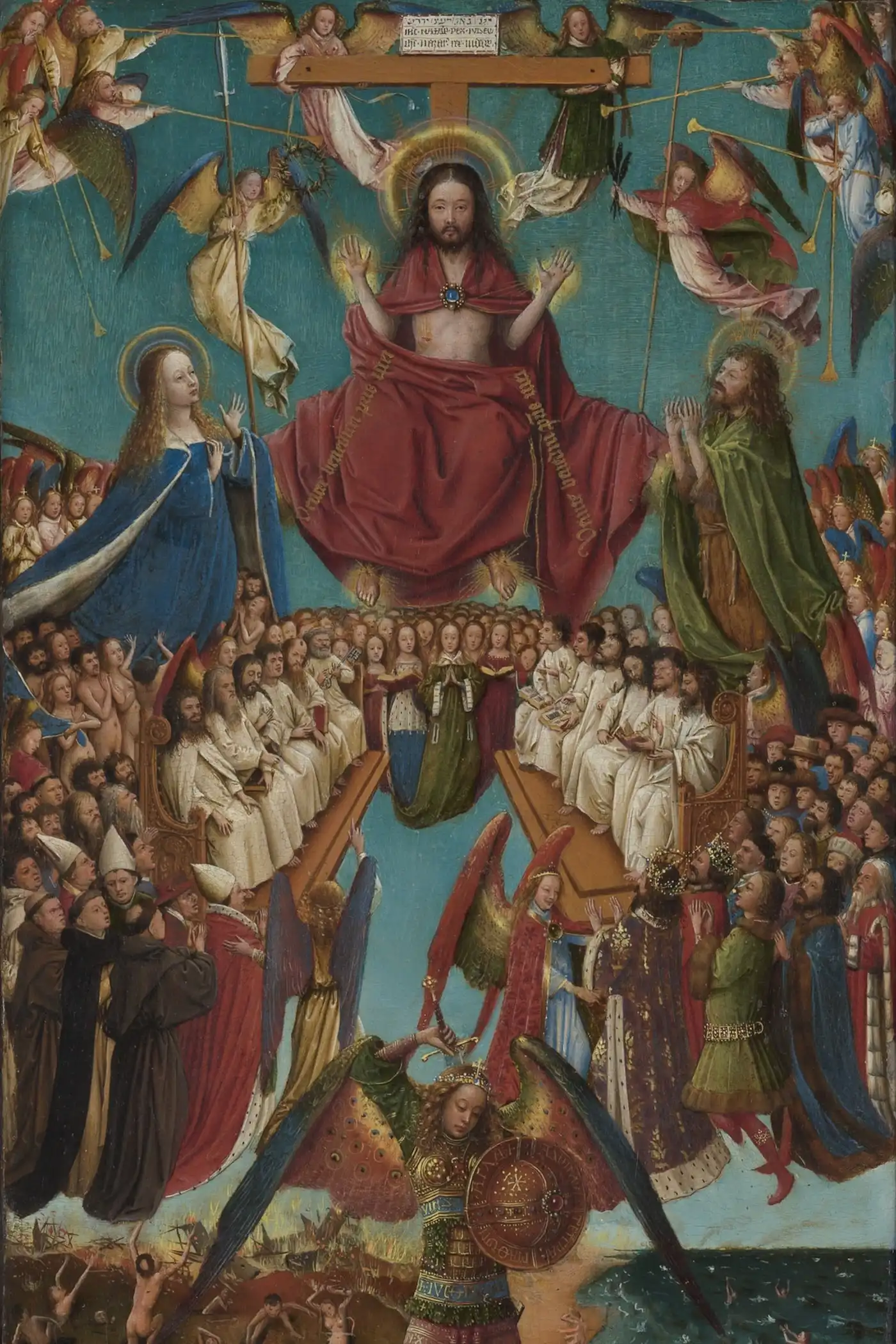
Explore by genre
Other authors you may enjoy

Why Augustine of Hippo is still read today
Augustine is one of the most influential thinkers in Western history. His ideas about original sin, free will, just war, and the relationship between church and state continue to shape theology, philosophy, and political theory.
Frequently Asked Questions
Who was Augustine of Hippo?
Saint Augustine was a 4th–5th century theologian and philosopher, one of the most influential figures in Western Christianity and philosophy.
What is The City of God about?
It is Augustine's monumental defense of Christianity against pagan criticism after the sack of Rome, presenting a Christian philosophy of history. Read it free on TextStack.
Why is Augustine still important?
His ideas about sin, grace, free will, and the relationship between church and state remain foundational to Western theology and political theory.
Essential cookies keep you signed in and save your reading progress. Analytics cookies help us understand how the site is used. You can reject analytics — we still work without them. Learn more in our Privacy Policy.