Black Hawk
Biography
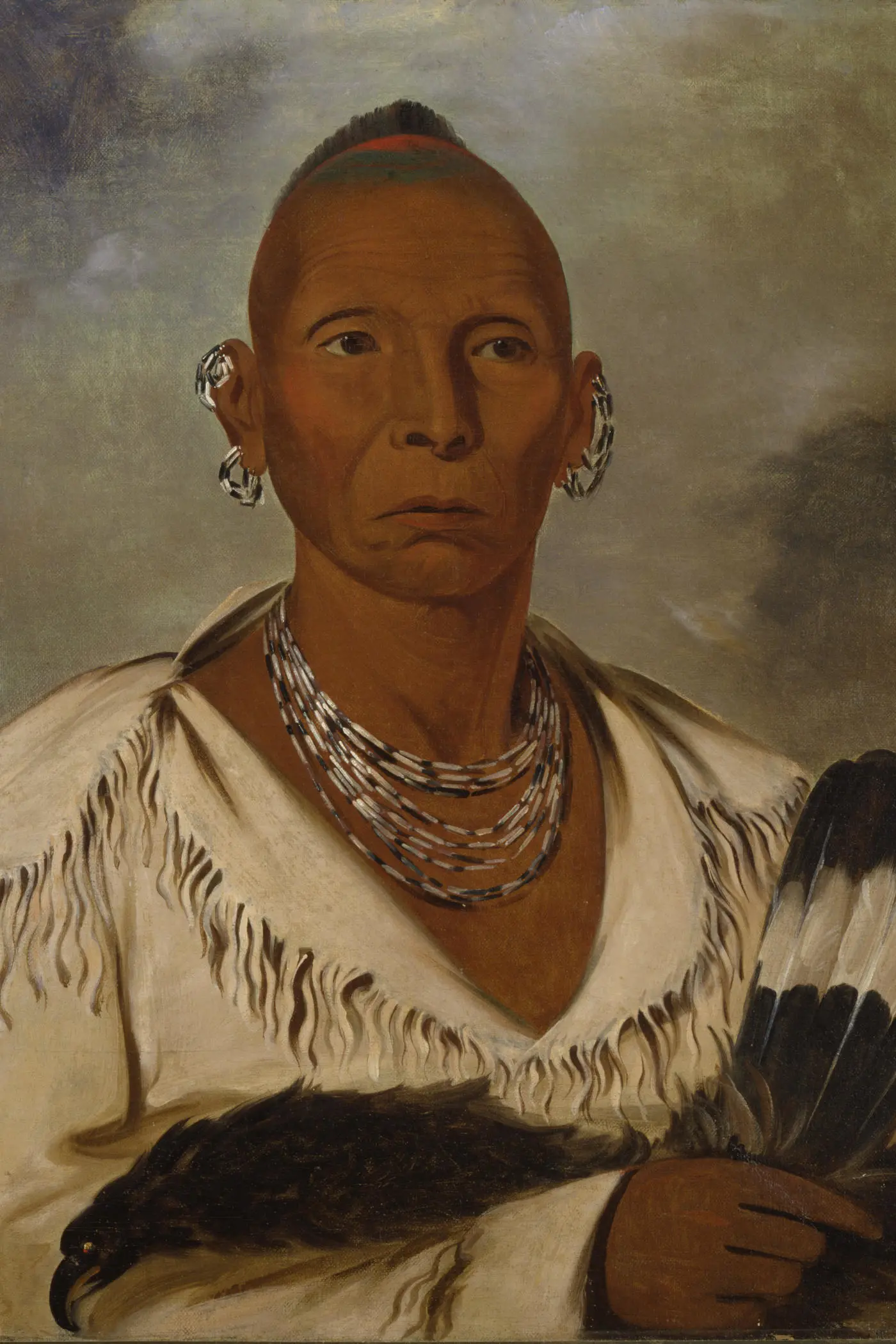
Black Hawk (Ma-ka-tai-me-she-kia-kiak, 1767–1838) was a Sauk leader and warrior who led a resistance against American expansion into Native American lands in the upper Midwest, culminating in the Black Hawk War of 1832. After his defeat and imprisonment, Black Hawk dictated his autobiography through an interpreter, making it one of the earliest and most important Native American autobiographies. The narrative provides a rare Indigenous perspective on the displacement of Native peoples, the treachery of broken treaties, and the devastating impact of American westward expansion. Black Hawk spent his final years in Iowa, a respected elder of his people.
Common themes in Black Hawk's work
Native American Autobiography
A recurring theme throughout Black Hawk's writing.
Indigenous Resistance
A recurring theme throughout Black Hawk's writing.
American Westward Expansion
A recurring theme throughout Black Hawk's writing.
Treaty Violations
A recurring theme throughout Black Hawk's writing.
Books
Explore by genre
Other authors you may enjoy
Why Black Hawk is still read today
Black Hawk's autobiography is one of the earliest Indigenous voices in American literature, offering a perspective on westward expansion and treaty violations that remains essential to understanding American history.
Frequently Asked Questions
Who was Black Hawk?
Black Hawk was a Sauk leader who resisted American expansion in the Midwest and whose autobiography is one of the earliest Native American memoirs.
What is Black Hawk's autobiography about?
It tells his life story, including his resistance to American expansion and the devastating impact of broken treaties on his people. Read it free on TextStack.
Why is Black Hawk's autobiography important?
It provides a rare Indigenous perspective on westward expansion and the displacement of Native peoples.
Essential cookies keep you signed in and save your reading progress. Analytics cookies help us understand how the site is used. You can reject analytics — we still work without them. Learn more in our Privacy Policy.