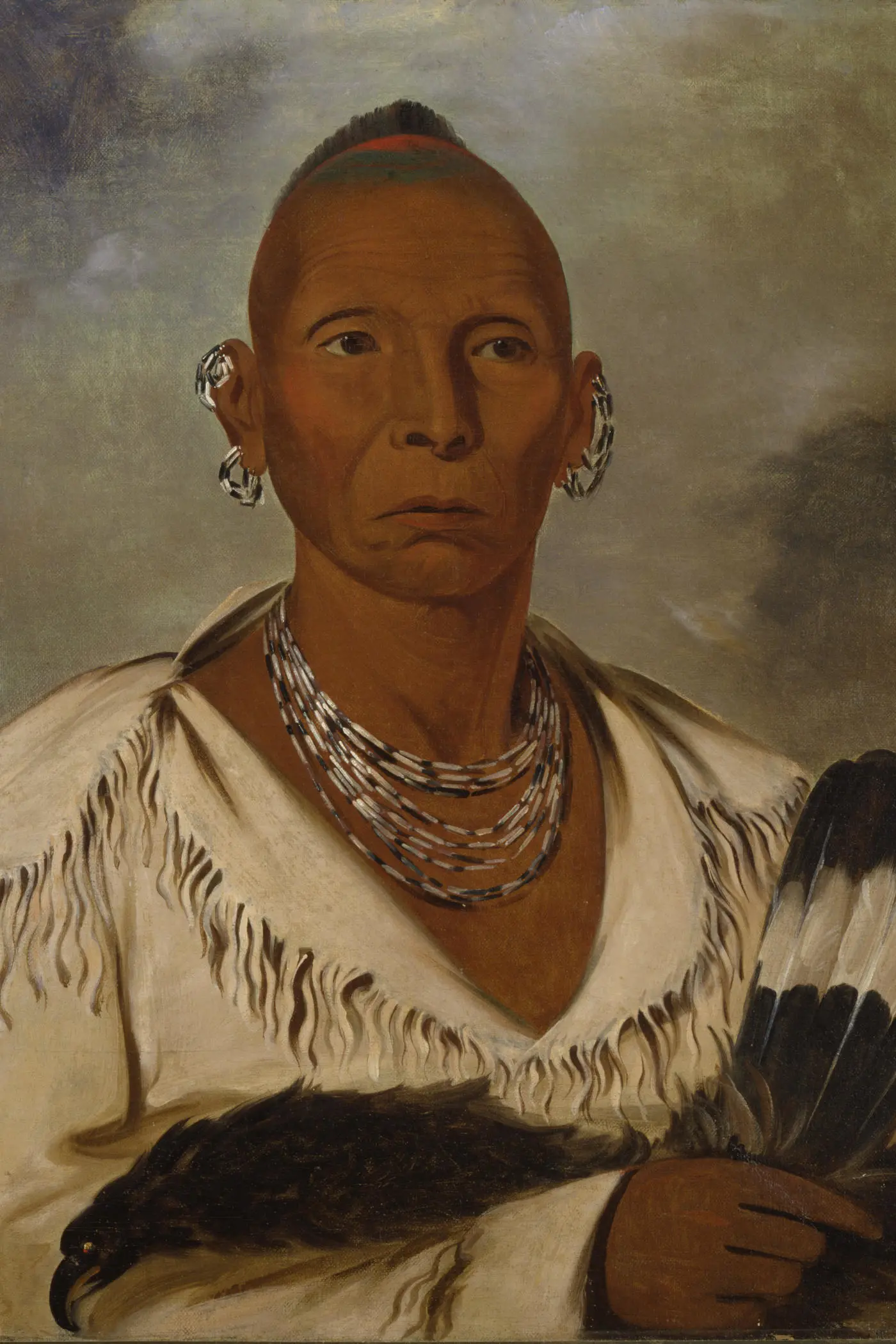
The Autobiography of Ma-Ka-Tai-Me-She-Kia-Kiak, or Black Hawk
What is The Autobiography of Ma-Ka-Tai-Me-She-Kia-Kiak, or Black Hawk about?
The Autobiography of Ma-Ka-Tai-Me-She-Kia-Kiak, or Black Hawk (1833) is one of the earliest and most significant Native American autobiographies. Dictated by the Sauk war leader Black Hawk through an interpreter after his defeat in the Black Hawk War of 1832, it recounts his life from youth through his resistance against American encroachment on Sauk lands. Black Hawk describes the broken treaties, deceptions, and violence that drove his people from their homeland, offering a powerful counternarrative to the triumphalist version of American westward expansion. The autobiography is both a personal memoir and a political document, asserting Indigenous dignity and rights.
Main themes in The Autobiography of Ma-Ka-Tai-Me-She-Kia-Kiak, or Black Hawk
Native American Memoir
The presence of native american memoir in The Autobiography of Ma-Ka-Tai-Me-She-Kia-Kiak, or Black Hawk connects readers to its enduring relevance.
Indigenous Rights
The theme of indigenous rights weaves through The Autobiography of Ma-Ka-Tai-Me-She-Kia-Kiak, or Black Hawk, adding depth to its narrative.
Westward Expansion
The Autobiography of Ma-Ka-Tai-Me-She-Kia-Kiak, or Black Hawk thoughtfully explores westward expansion through its central conflicts.
Broken Treaties
In The Autobiography of Ma-Ka-Tai-Me-She-Kia-Kiak, or Black Hawk, broken treaties provides a lens for understanding the story's core message.
Why The Autobiography of Ma-Ka-Tai-Me-She-Kia-Kiak, or Black Hawk is still relevant today
This autobiography provides an essential Indigenous counternarrative to mainstream American history. Black Hawk's account of treaty violations and displacement remains relevant to contemporary discussions of Indigenous rights and American history.
Frequently Asked Questions
What is Black Hawk's autobiography about?
The Sauk leader recounts his life, his people's displacement, and his resistance to American expansion, offering an Indigenous perspective on American history.
When was this autobiography written?
It was dictated in 1833, one year after Black Hawk's defeat in the Black Hawk War and his subsequent imprisonment.
Where can I read Black Hawk's autobiography online?
You can read it free on TextStack.