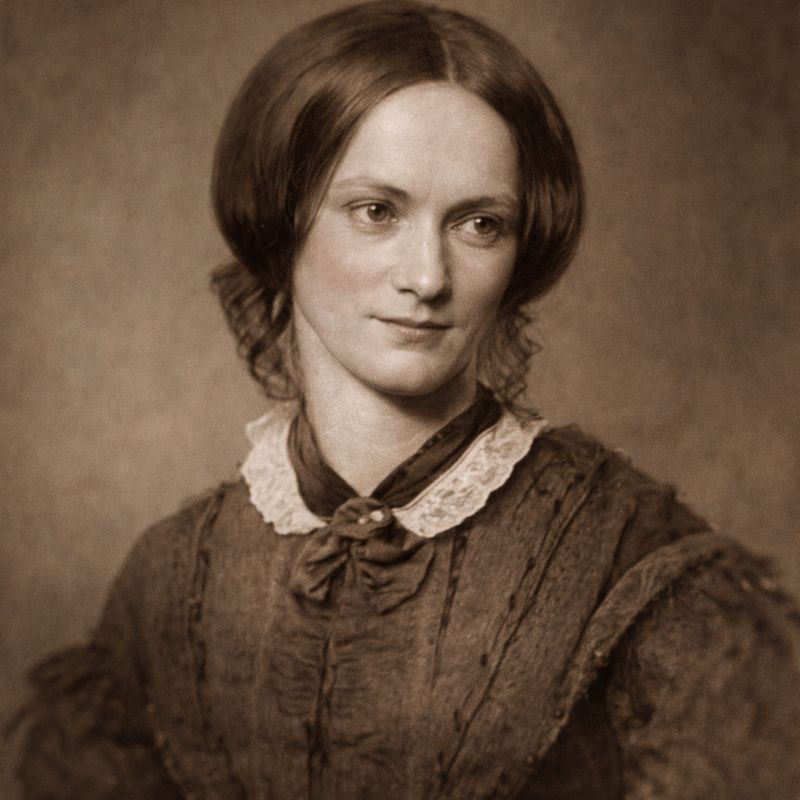
Charlotte Brontë
Biography
Charlotte Brontë was an English novelist and poet whose work transformed nineteenth-century fiction through its emotional intensity, psychological depth, and focus on female independence. Born in 1816, she grew up in the rural north of England, an environment that strongly influenced the atmosphere and moral concerns of her writing. Her most famous novel, Jane Eyre, challenged Victorian conventions by presenting a heroine defined by intellect, moral strength, and a demand for equality in love and life. Writing under the pen name “Currer Bell,” Brontë addressed issues of class, religion, gender roles, and personal freedom with a boldness that was ahead of her time. Though her literary career was tragically short, Charlotte Brontë’s work left a lasting impact on English literature. Her novels remain central to discussions of feminism, identity, and the emotional realism that helped shape the modern novel.
Common themes in Charlotte Brontë's work
Female independence and self-determination
A recurring theme throughout Charlotte Brontë's writing.
Gothic romance and atmosphere
A recurring theme throughout Charlotte Brontë's writing.
Social class and mobility
A recurring theme throughout Charlotte Brontë's writing.
Moral integrity vs. societal expectations
A recurring theme throughout Charlotte Brontë's writing.
Books
Explore by genre
Other authors you may enjoy
Why Charlotte Brontë is still read today
Charlotte Brontë's literary legacy remains profoundly influential in contemporary culture. Her revolutionary portrayal of female interiority and psychological depth in Jane Eyre established templates that modern fiction continues to explore. Brontë's unflinching examination of class, gender, and moral independence resonates with today's conversations about women's autonomy and self-determination. Her Gothic sensibilities and atmospheric prose have inspired countless adaptations across film, television, and theater. Contemporary writers cite her work as foundational to the development of feminist literature. The Brontë Parsonage Museum draws thousands of literary pilgrims annually, testament to her enduring cultural significance. Her exploration of the governess figure challenged Victorian social hierarchies and continues to inform discussions about labor, education, and women's professional lives.
Frequently Asked Questions
What is Charlotte Brontë best known for?
Charlotte Brontë is best known for her novel Jane Eyre (1847), a groundbreaking work that combined Gothic elements with a deeply psychological portrait of its heroine. The novel's famous declaration 'I am no bird; and no net ensnares me' became a touchstone for feminist literature.
How did Charlotte Brontë influence literature?
Brontë pioneered the use of first-person female narration with unprecedented psychological depth. She challenged Victorian conventions by creating a heroine who demanded equality in love and refused to compromise her moral principles, influencing generations of writers exploring women's inner lives.
What was Charlotte Brontë's writing style?
Her style blends Gothic atmosphere with intense psychological realism. She employed passionate, direct prose and unflinching exploration of emotion, combining romantic elements with sharp social criticism and moral complexity.
Did Charlotte Brontë write under a pseudonym?
Yes, she initially published under the pen name Currer Bell, along with her sisters Emily (Ellis Bell) and Anne (Acton Bell). The masculine pseudonyms helped them avoid the prejudice faced by female authors in Victorian England.
How many novels did Charlotte Brontë write?
Charlotte Brontë completed four novels: Jane Eyre (1847), Shirley (1849), Villette (1853), and The Professor (published posthumously in 1857). Jane Eyre remains her most celebrated and widely read work.
Essential cookies keep you signed in and save your reading progress. Analytics cookies help us understand how the site is used. You can reject analytics — we still work without them. Learn more in our Privacy Policy.