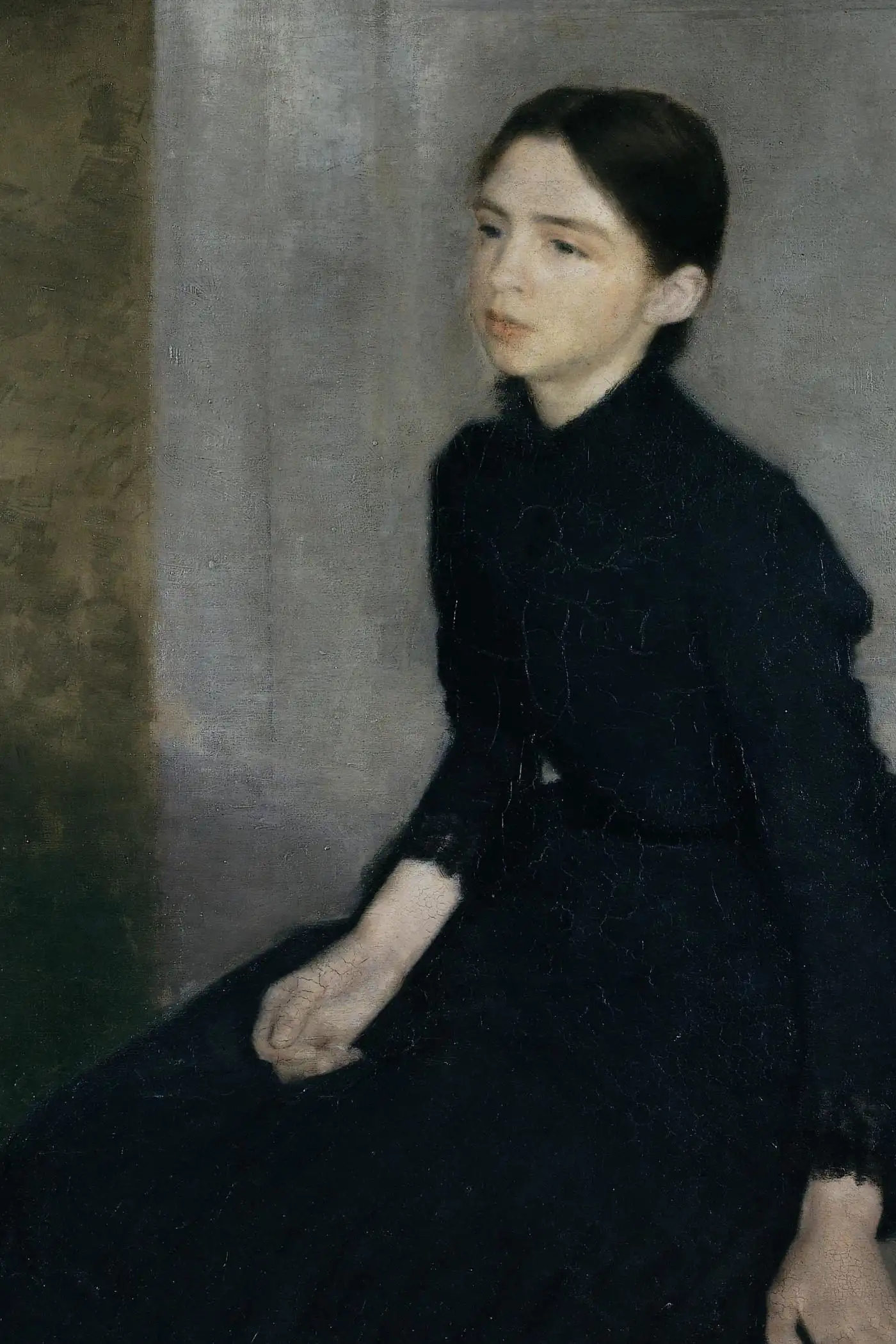
Jane Eyre
What is Jane Eyre about?
Jane Eyre is a novel by Charlotte Brontë that traces the emotional, moral, and intellectual development of a young woman determined to live with integrity and independence. Orphaned at an early age, Jane endures cruelty and neglect before being sent to Lowood Institution, where hardship and discipline shape her resilience and sense of justice. After years as a student and teacher, Jane seeks a wider life and accepts a position as governess at Thornfield Hall. There she meets the enigmatic master of the house, Mr. Rochester, whose brooding presence and hidden past draw her into a complex emotional relationship. As affection deepens, Jane is forced to confront difficult choices involving love, self-respect, and personal freedom. First published in 1847 under the pen name “Currer Bell,” Jane Eyre challenged the conventions of its time with its intense psychological realism and bold exploration of class, faith, and female autonomy. Blending romance with moral inquiry, the novel remains a groundbreaking work and a powerful statement on individuality and equality.
Main themes in Jane Eyre
Female independence and self-respect
In Jane Eyre, female independence and self-respect provides a lens for understanding the story's core message.
Gothic romance
Jane Eyre thoughtfully explores gothic romance through its central conflicts.
Social class and moral worth
The presence of social class and moral worth in Jane Eyre connects readers to its enduring relevance.
Religious faith and conscience
Jane Eyre thoughtfully explores religious faith and conscience through its central conflicts.
Why Jane Eyre is still relevant today
Jane Eyre remains essential reading for anyone interested in the development of feminist literature and the psychological novel. Its heroine's declaration of independence—"I am no bird; and no net ensnares me"—continues to resonate with readers seeking models of female self-determination. The novel's Gothic atmosphere and examination of class, religion, and morality speak to enduring concerns. Countless adaptations demonstrate its cultural staying power, while scholars continue to debate its treatment of colonialism and race.
More by this author
Frequently Asked Questions
What is Jane Eyre about?
Jane Eyre follows an orphan from her unhappy childhood through her time at a harsh boarding school to her work as a governess at Thornfield Hall, where she falls in love with her mysterious employer, Mr. Rochester. Gothic secrets and moral choices complicate their relationship.
Is Jane Eyre hard to read?
Victorian prose style may require adjustment for modern readers, but the novel's compelling plot and Jane's engaging voice carry readers through. The psychological depth and dramatic events make it surprisingly accessible despite its 19th-century language.
Why is Jane Eyre considered a feminist novel?
Jane demands equality and respect despite her poverty and plain appearance. She refuses to compromise her principles for love or security. Her famous speeches about female equality and her insistence on self-determination were revolutionary for 1847 and continue to inspire.
What is the 'madwoman in the attic'?
This refers to Bertha Mason, Rochester's hidden first wife, who lives in the attic. The phrase became a feminist critical term after Gilbert and Gubar's famous study, representing silenced or marginalized women in literature and Victorian society.
How long does it take to read Jane Eyre?
At approximately 500 pages, most readers complete Jane Eyre in 15-25 hours. Its engaging narrative encourages sustained reading, and many readers find themselves finishing it faster than expected despite its length.