Cicero
Biography
Marcus Tullius Cicero (106–43 BCE) was a Roman statesman, orator, lawyer, and philosopher who is considered one of Rome's greatest speakers and prose stylists. Rising from a non-noble family to become consul, Cicero played a central role in the political upheavals of the late Roman Republic, opposing both Caesar and the conspirators who assassinated him. He was eventually murdered on the orders of Mark Antony. Cicero's philosophical works, including the Tusculan Disputations, On the Nature of the Gods, and On Duties, transmitted Greek philosophy to the Latin West and shaped Western thought for two millennia. His letters provide an unparalleled firsthand account of Roman political life.
Common themes in Cicero's work
Roman Philosophy
A recurring theme throughout Cicero's writing.
Classical Rhetoric
A recurring theme throughout Cicero's writing.
Stoicism
A recurring theme throughout Cicero's writing.
Republican Government
A recurring theme throughout Cicero's writing.
Books
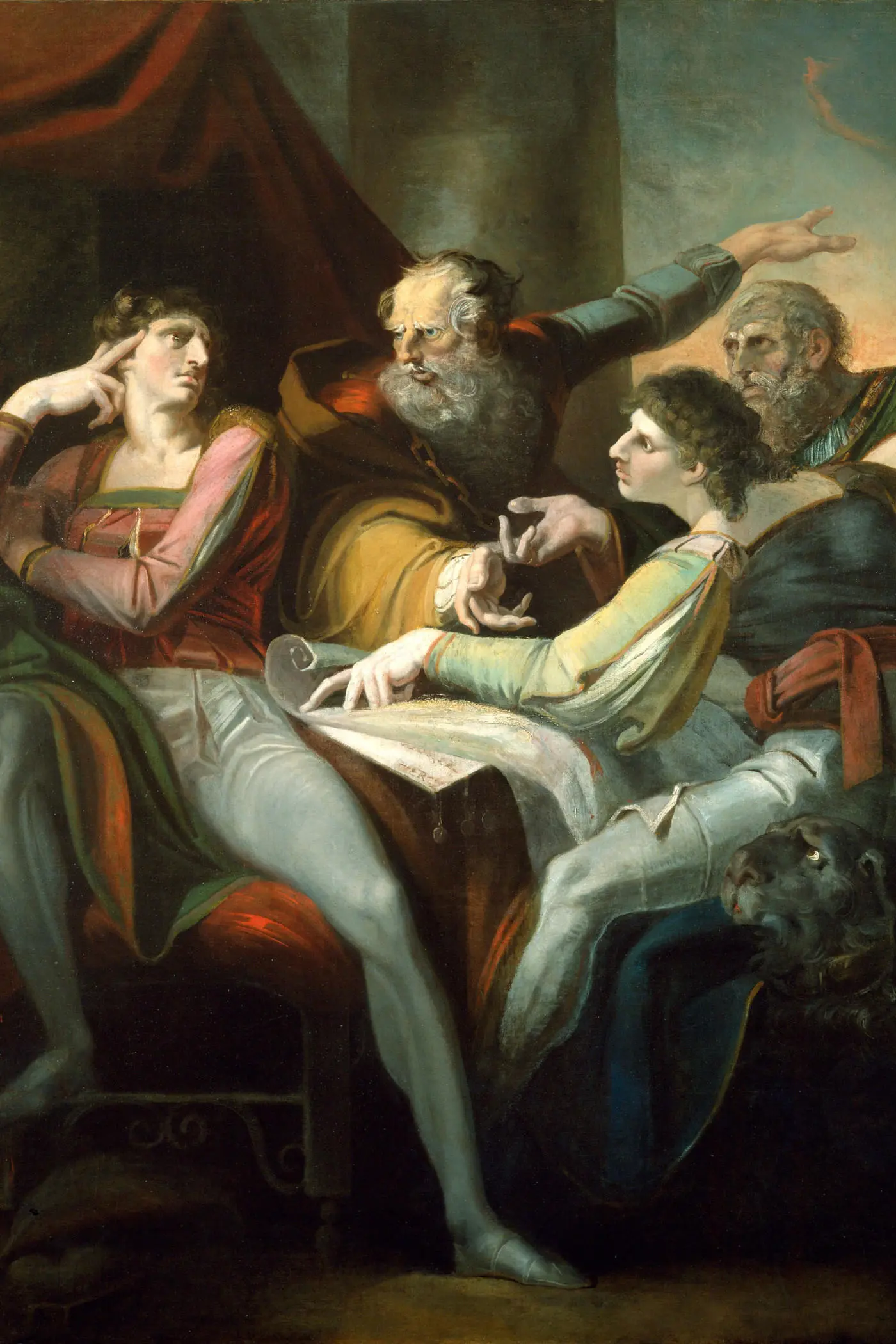
Explore by genre
Other authors you may enjoy
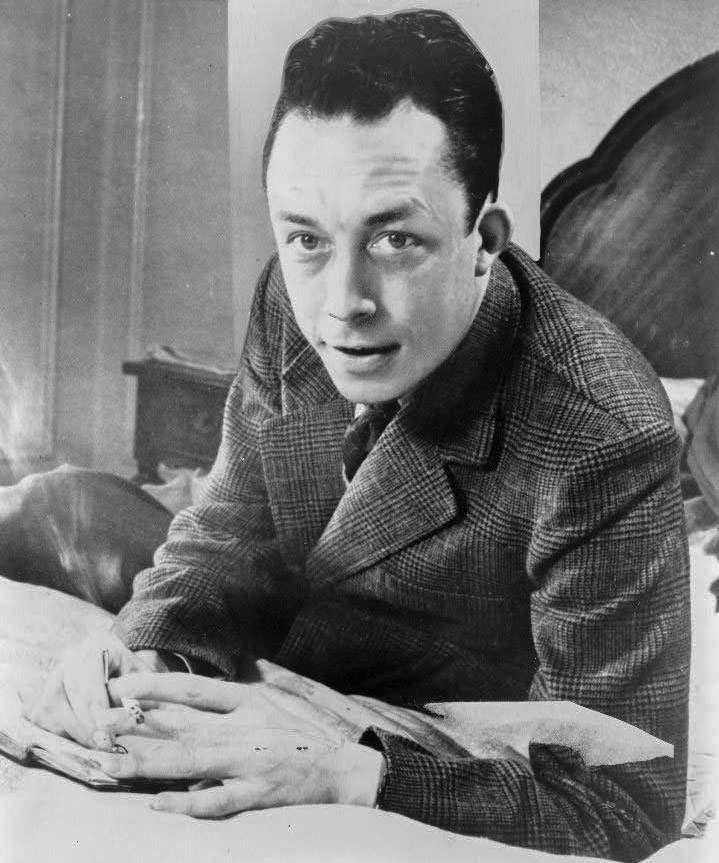
Why Cicero is still read today
Cicero's works are foundational to Western rhetoric, philosophy, and political thought. His defense of republican government and natural law influenced the American Founding Fathers and continues to shape legal and political philosophy.
Frequently Asked Questions
Who was Cicero?
Cicero was a Roman statesman, orator, and philosopher whose writings on rhetoric, philosophy, and politics shaped Western civilization.
What are the Tusculan Disputations about?
Five philosophical dialogues examining how to achieve a happy life through virtue, courage, and the conquest of fear and grief. Read them free on TextStack.
Why is Cicero important today?
His ideas on natural law, republican government, and rhetoric influenced the Founding Fathers and remain foundational to Western political and legal thought.
Essential cookies keep you signed in and save your reading progress. Analytics cookies help us understand how the site is used. You can reject analytics — we still work without them. Learn more in our Privacy Policy.