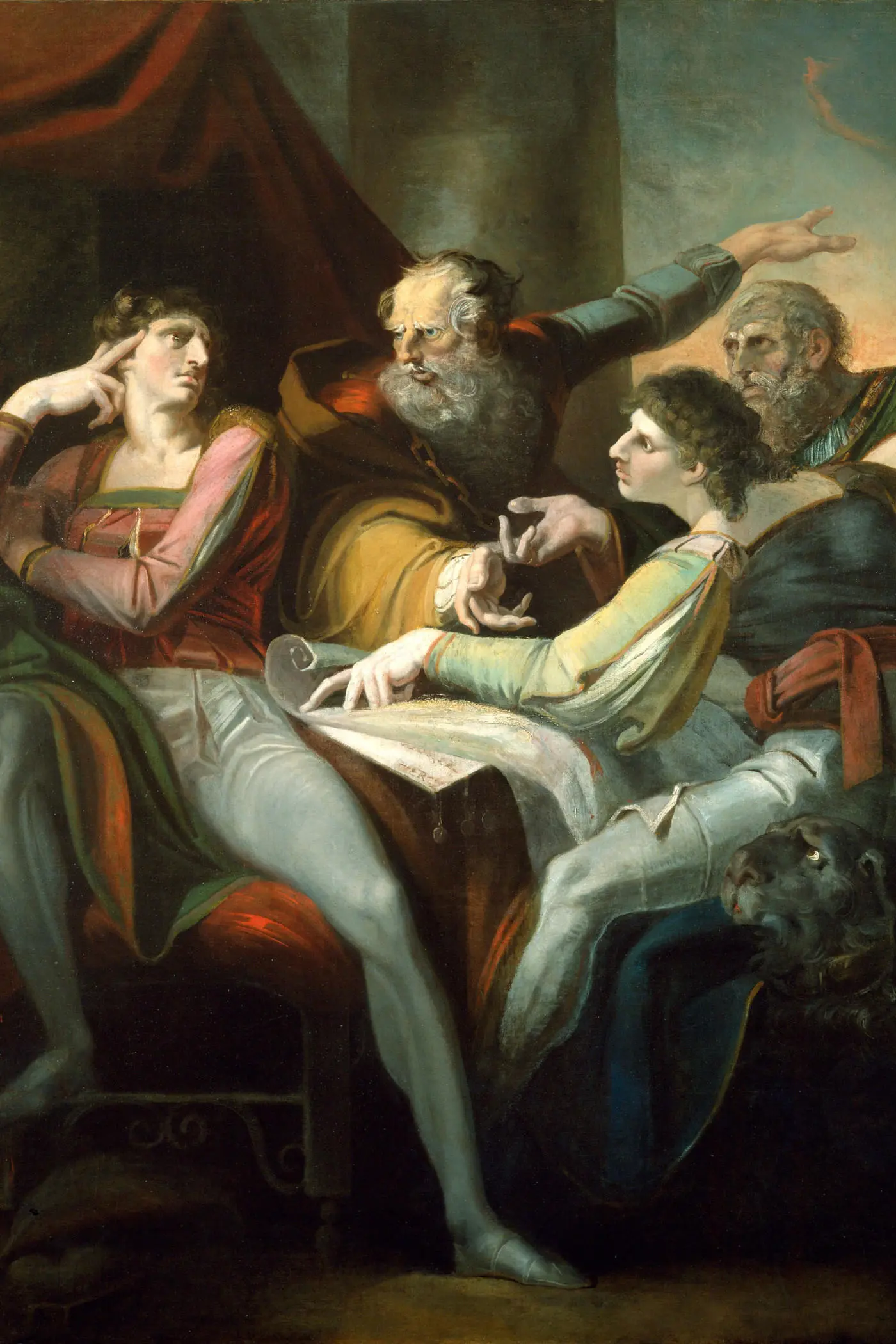
Tusculan Disputations
What is Tusculan Disputations about?
The Tusculan Disputations (45 BCE) is Cicero's philosophical masterwork on the art of living well. In five dialogues set at his villa in Tusculum, Cicero argues that philosophy can free us from the fear of death, the burden of pain, the distress of grief, and the tyranny of passion, leading to true happiness through virtue. Drawing on Stoic, Epicurean, and Academic philosophy, Cicero presents these arguments in his characteristically lucid and elegant Latin prose. The work is both a practical guide to achieving tranquility and a showcase of Cicero's ability to make Greek philosophy accessible and compelling for a Roman audience.
Main themes in Tusculan Disputations
Stoic Philosophy
Tusculan Disputations thoughtfully explores stoic philosophy through its central conflicts.
Art of Living
The theme of art of living weaves through Tusculan Disputations, adding depth to its narrative.
Death and Grief
Death and Grief emerges as a defining element in Tusculan Disputations, shaping character development.
Virtue Ethics
The theme of virtue ethics weaves through Tusculan Disputations, adding depth to its narrative.
Why Tusculan Disputations is still relevant today
The Tusculan Disputations remain a powerful guide to facing life's fundamental challenges—death, pain, grief, and passion—through philosophical reflection. Cicero's practical wisdom transcends its ancient context.
Frequently Asked Questions
What are the Tusculan Disputations about?
Five dialogues on how philosophy can help us overcome the fear of death, endure pain, manage grief, and achieve happiness through virtue.
Is this book Stoic philosophy?
It draws primarily on Stoicism but also engages Epicurean and Academic philosophy, presenting a synthesis of Greek thought.
Where can I read the Tusculan Disputations online?
You can read them free on TextStack.