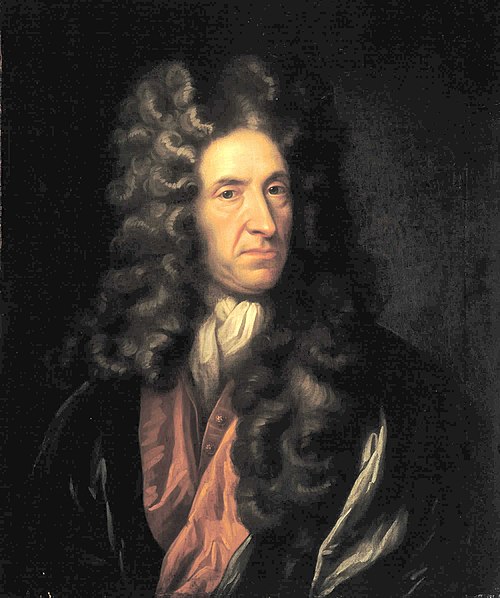
Daniel Defoe
Biography
Daniel Defoe (c. 1660-1731) was an English writer, journalist, and merchant often credited as a founder of the English novel. Born Daniel Foe in London, he added the aristocratic "De" to his name around 1695. His life was marked by business ventures, political pamphleteering, and remarkable literary productivity. Defoe's masterpiece Robinson Crusoe (1719), written when he was nearly sixty, is considered by many scholars to be the first English novel. Based partly on the real-life castaway Alexander Selkirk, the book's realistic narrative style and psychological depth revolutionized fiction. He followed it with sequels and other novels including Moll Flanders (1722). A prolific writer who produced over 500 books, pamphlets, and journals, Defoe was also a pioneering journalist who founded The Review magazine. His work laid the groundwork for both the novel and modern journalism.
Common themes in Daniel Defoe's work
Survival and self-reliance
A recurring theme throughout Daniel Defoe's writing.
Colonialism and empire
A recurring theme throughout Daniel Defoe's writing.
Individual enterprise and capitalism
A recurring theme throughout Daniel Defoe's writing.
Spiritual conversion and Providence
A recurring theme throughout Daniel Defoe's writing.
Books
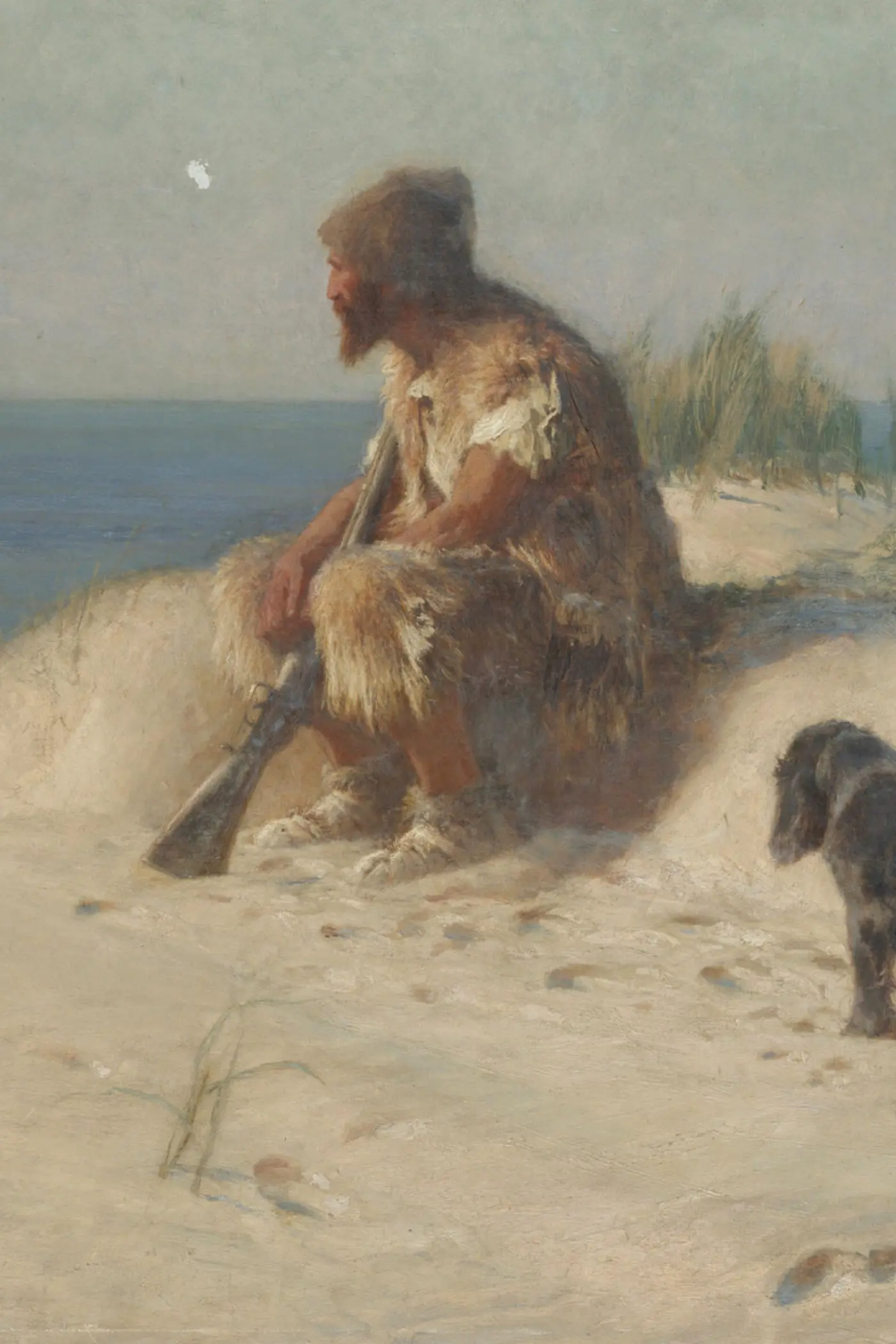
Explore by genre
Other authors you may enjoy
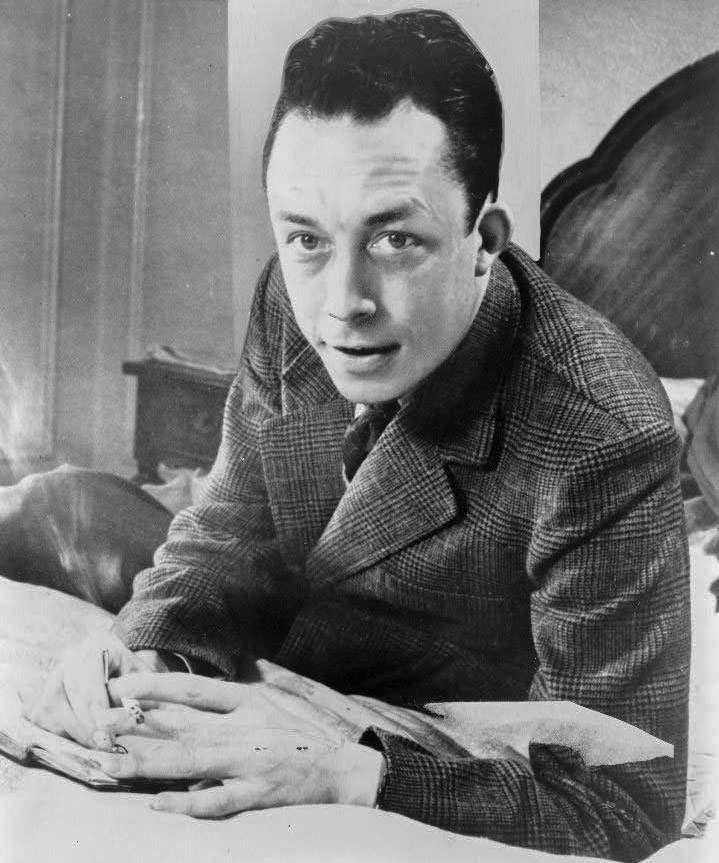
Why Daniel Defoe is still read today
Daniel Defoe is widely credited with helping establish the novel as a literary form in English, with Robinson Crusoe often cited as the first English novel. His pioneering use of realistic detail, first-person narration, and journalistic style created templates that fiction writers have employed ever since. Robinson Crusoe became one of the most translated and imitated books in history, spawning an entire genre of "Robinsonade" survival narratives. Beyond fiction, Defoe was a prolific journalist, pamphleteer, and spy, his over 500 works offering invaluable insights into early 18th-century English life. His exploration of individual enterprise, self-reliance, and colonial encounter continues to generate scholarly debate about capitalism, imperialism, and modernity. Contemporary discussions of survival narratives, entrepreneurship, and the solitary individual inevitably reference his foundational work.
Frequently Asked Questions
Is Robinson Crusoe the first English novel?
Robinson Crusoe (1719) is often considered one of the first English novels due to its realistic detail, psychological depth, and prose narrative. While earlier prose fiction existed, Defoe's work established conventions of realistic fiction that defined the novel genre.
Was Robinson Crusoe based on a true story?
Defoe was likely inspired by the real story of Alexander Selkirk, a Scottish sailor marooned on a Pacific island for four years. However, Defoe transformed this into a much longer narrative with different themes and added the character of Friday.
What other books did Defoe write?
Defoe wrote numerous novels including Moll Flanders, Roxana, A Journal of the Plague Year, and Colonel Jack. He was also a prolific journalist and political writer, producing over 500 works on topics from economics to the supernatural.
What is the significance of Friday in Robinson Crusoe?
Friday, the indigenous man Crusoe rescues and names, has become a subject of postcolonial criticism. The relationship between Crusoe and Friday raises questions about colonialism, slavery, and European attitudes toward non-European peoples that scholars continue to debate.
How did Robinson Crusoe influence later literature?
The novel created the 'Robinsonade' genre of survival narratives, influencing works from Swiss Family Robinson to Cast Away. Its themes of self-reliance, practical problem-solving, and colonial encounter have resonated through centuries of adventure and survival fiction.
Essential cookies keep you signed in and save your reading progress. Analytics cookies help us understand how the site is used. You can reject analytics — we still work without them. Learn more in our Privacy Policy.