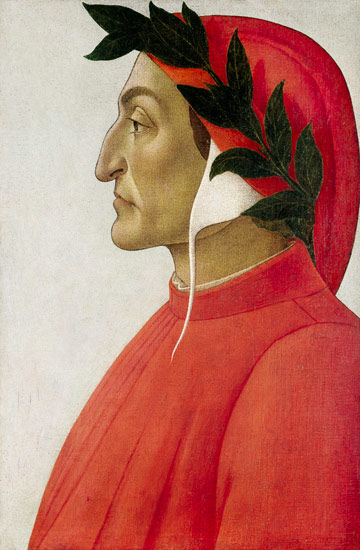
Dante Alighieri
Biography
Dante Alighieri (c. 1265-1321) was an Italian poet, philosopher, and political thinker whose Divine Comedy is universally regarded as one of the greatest works of world literature. Born in Florence during an era of intense political conflict between Guelphs and Ghibellines, Dante's life was shaped by the city's turbulent politics. Exiled from Florence in 1302, Dante spent the rest of his life in various Italian cities, during which he composed his masterwork. The Divine Comedy follows the poet's allegorical journey through Hell, Purgatory, and Paradise, guided by Virgil and his beloved Beatrice. Written in Italian rather than Latin, it helped establish Tuscan as the foundation of the modern Italian language. Dante's influence on Western literature is immeasurable. His vivid portrayal of the afterlife, his synthesis of classical and Christian thought, and his technical mastery of terza rima have inspired writers for seven centuries. T.S. Eliot called him "the most universal poet in the modern languages."
Common themes in Dante Alighieri's work
The journey of the soul
A recurring theme throughout Dante Alighieri's writing.
Divine justice and mercy
A recurring theme throughout Dante Alighieri's writing.
Love as spiritual transformation
A recurring theme throughout Dante Alighieri's writing.
Sin, repentance, and redemption
A recurring theme throughout Dante Alighieri's writing.
Books
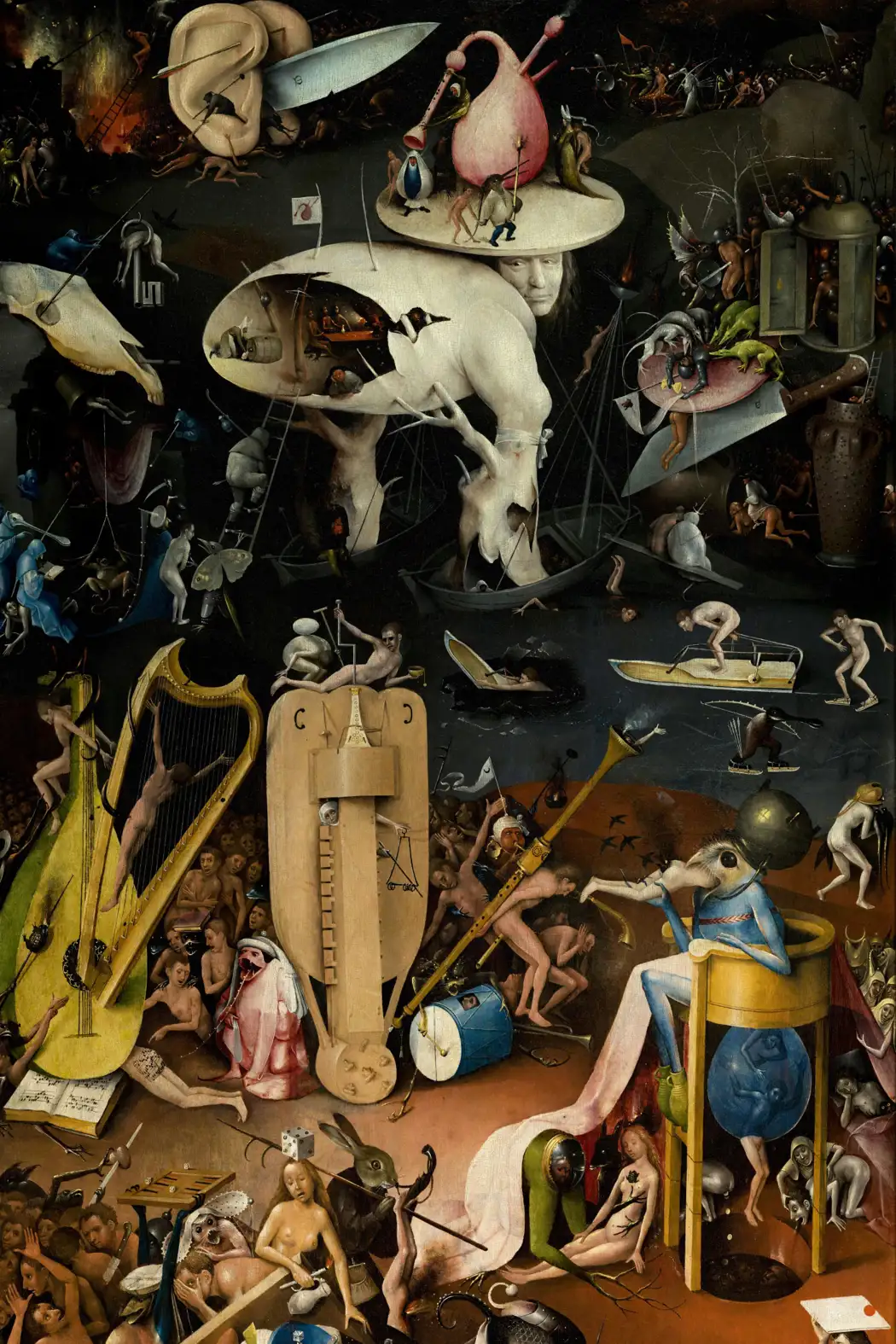
Explore by genre
Other authors you may enjoy
Why Dante Alighieri is still read today
Dante Alighieri stands as the supreme poet of the Italian language and one of the most influential figures in world literature. The Divine Comedy created a vision of the afterlife that has shaped Western imagination for seven centuries, its imagery of Hell, Purgatory, and Paradise becoming cultural reference points. Dante's decision to write in vernacular Italian rather than Latin helped establish the modern Italian language and influenced the development of national literatures across Europe. His synthesis of classical learning, Christian theology, and personal experience created a model for literary ambition that writers still aspire to match. Contemporary artists, from visual artists to filmmakers, continue to draw on his imagery. His exploration of exile, love, and the search for meaning speaks to universal human experiences across time and cultures.
Frequently Asked Questions
What is The Divine Comedy about?
The Divine Comedy follows Dante the pilgrim through the three realms of the afterlife: Inferno (Hell), Purgatorio (Purgatory), and Paradiso (Paradise). Guided by the Roman poet Virgil and later by his beloved Beatrice, Dante witnesses divine justice and ultimately achieves the vision of God.
Why is Dante so important to world literature?
Dante created the foundational text of Italian literature and influenced Western conceptions of the afterlife. His innovative use of the vernacular language, complex symbolism, and autobiographical elements established models that shaped all subsequent European literature.
Is The Divine Comedy difficult to read?
The poem rewards multiple readings and benefits from annotations explaining historical, mythological, and theological references. However, its narrative drive and vivid imagery make it accessible, especially in modern translations. Many readers start with Inferno, the most dramatic section.
Who was Beatrice in Dante's life?
Beatrice Portinari was a Florentine woman Dante loved from childhood, though they never had a relationship. She died young and became his idealized muse, representing divine love and wisdom. She guides him through Paradise in The Divine Comedy.
What is the structure of The Divine Comedy?
The poem consists of 100 cantos: 1 introductory canto plus 33 each for Inferno, Purgatorio, and Paradiso. It's written in terza rima, a rhyme scheme Dante invented (aba bcb cdc). This mathematical structure reflects the poem's theological vision of divine order.
Essential cookies keep you signed in and save your reading progress. Analytics cookies help us understand how the site is used. You can reject analytics — we still work without them. Learn more in our Privacy Policy.