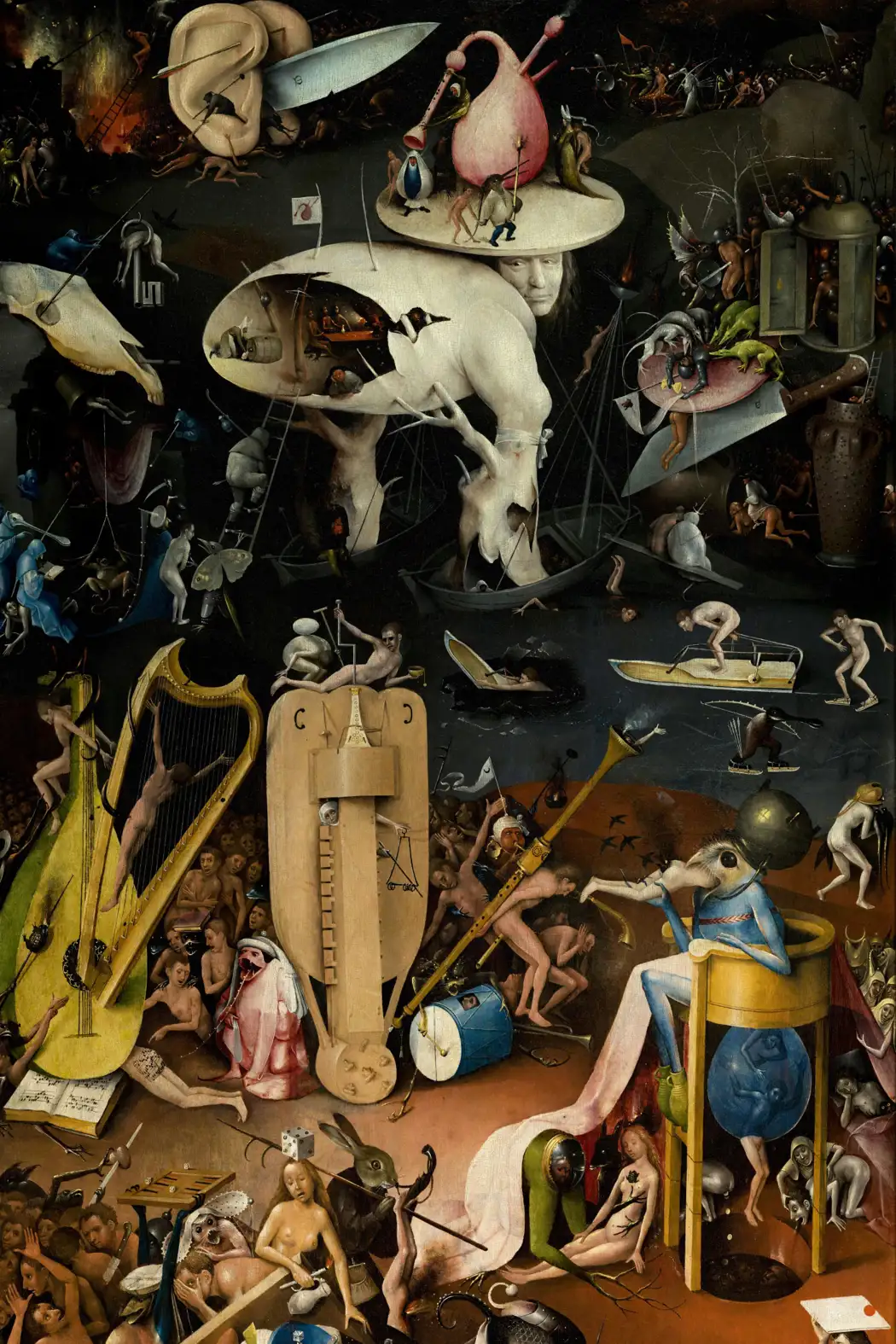
The Divine Comedy
What is The Divine Comedy about?
The Divine Comedy by Dante Alighieri is the supreme masterpiece of Italian literature and one of humanity's greatest artistic achievements. Completed in 1320, this epic poem follows Dante himself on an allegorical journey through the three realms of the afterlife: the terrifying circles of Inferno, the purifying mountain of Purgatorio, and the celestial spheres of Paradiso. Guided first by the Roman poet Virgil and later by his beloved Beatrice, Dante encounters historical and mythological figures while exploring themes of sin, redemption, and divine love. This monumental work shaped the Italian language, influenced Western literature for seven centuries, and offers profound insights into medieval theology, philosophy, and the human condition.
Main themes in The Divine Comedy
The journey of the soul
The journey of the soul emerges as a defining element in The Divine Comedy, shaping character development.
Sin, punishment, and redemption
Sin, punishment, and redemption emerges as a defining element in The Divine Comedy, shaping character development.
Divine justice and mercy
In The Divine Comedy, divine justice and mercy provides a lens for understanding the story's core message.
Love as spiritual force
The presence of love as spiritual force in The Divine Comedy connects readers to its enduring relevance.
Why The Divine Comedy is still relevant today
The Divine Comedy represents one of humanity's supreme artistic achievements, Dante's vision of the afterlife shaping Western imagination for seven centuries. Its journey through Hell, Purgatory, and Paradise offers both gripping narrative and profound theological meditation. Dante's imagery—the inscription over Hell's gate, the ascending terraces of Purgatory, the celestial rose of Paradise—has become part of cultural consciousness. For readers seeking to understand Western literature, art, and thought, the Divine Comedy is essential. Its exploration of sin, redemption, and divine love speaks across centuries.
Frequently Asked Questions
What is The Divine Comedy about?
Dante the pilgrim travels through the three realms of the afterlife: Inferno (Hell), Purgatorio (Purgatory), and Paradiso (Paradise). Guided first by Virgil, then by his beloved Beatrice, he witnesses divine justice and ultimately achieves the vision of God.
Is The Divine Comedy hard to read?
The poem rewards study but is accessible with good translations and notes. Modern translations by Robert and Jean Hollander or Anthony Esolen help modern readers. The narrative drive and vivid imagery, especially in Inferno, engage even first-time readers.
Should I read all three parts?
Inferno is most famous and accessible; many readers start (and stop) there. However, the full journey through Purgatorio and Paradiso is essential to Dante's vision. Paradiso, though challenging, contains some of the most beautiful poetry ever written.
Who was Beatrice?
Beatrice Portinari was a Florentine woman Dante loved from childhood, though they never had a relationship. She died young and became his idealized muse, representing divine love and wisdom. She guides him through Paradise in the Comedy.
Why is The Divine Comedy important?
Dante's poem created modern Italian, influenced all subsequent literature, and shaped Western conceptions of the afterlife. Its synthesis of classical and Christian thought, personal and universal, makes it a foundational text of Western civilization.