David Hume
Biography
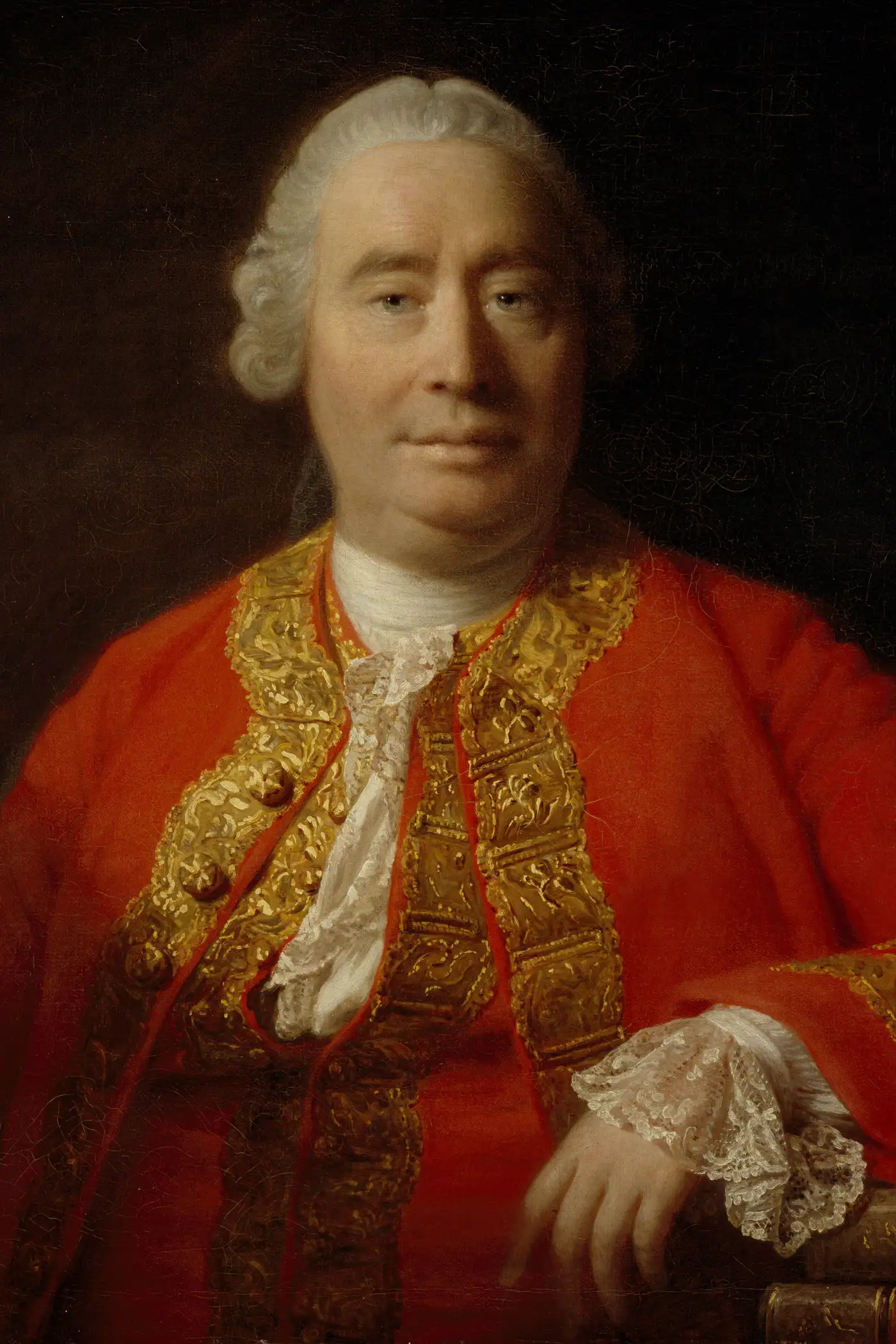
David Hume (1711–1776) was a Scottish Enlightenment philosopher, historian, economist, and essayist who is considered one of the most important figures in the history of Western philosophy. His radical empiricism—the position that all knowledge derives from sense experience—challenged the foundations of both rationalist philosophy and religious belief. His major philosophical works include A Treatise of Human Nature (1739), An Enquiry Concerning Human Understanding (1748), and Dialogues Concerning Natural Religion (1779). Hume also wrote a best-selling History of England. His thought influenced Kant, who said Hume awoke him from his "dogmatic slumber."
Common themes in David Hume's work
Empiricism
A recurring theme throughout David Hume's writing.
Scottish Enlightenment
A recurring theme throughout David Hume's writing.
Philosophy of Knowledge
A recurring theme throughout David Hume's writing.
Skepticism
A recurring theme throughout David Hume's writing.
Books
Explore by genre
Other authors you may enjoy

Why David Hume is still read today
Hume's skeptical empiricism remains the foundation of modern philosophy of science, epistemology, and secular ethics. His arguments about causation, miracles, and the limits of reason continue to shape philosophical debate.
Frequently Asked Questions
Who was David Hume?
David Hume was a Scottish philosopher whose radical empiricism made him one of the most important thinkers in Western philosophy.
What is An Enquiry Concerning Human Understanding about?
It examines the foundations of human knowledge, arguing that all ideas derive from experience and questioning our assumptions about causation. Read it free on TextStack.
Why is Hume still important?
His arguments about causation, skepticism, and the limits of reason remain foundational to modern philosophy and science.
Essential cookies keep you signed in and save your reading progress. Analytics cookies help us understand how the site is used. You can reject analytics — we still work without them. Learn more in our Privacy Policy.