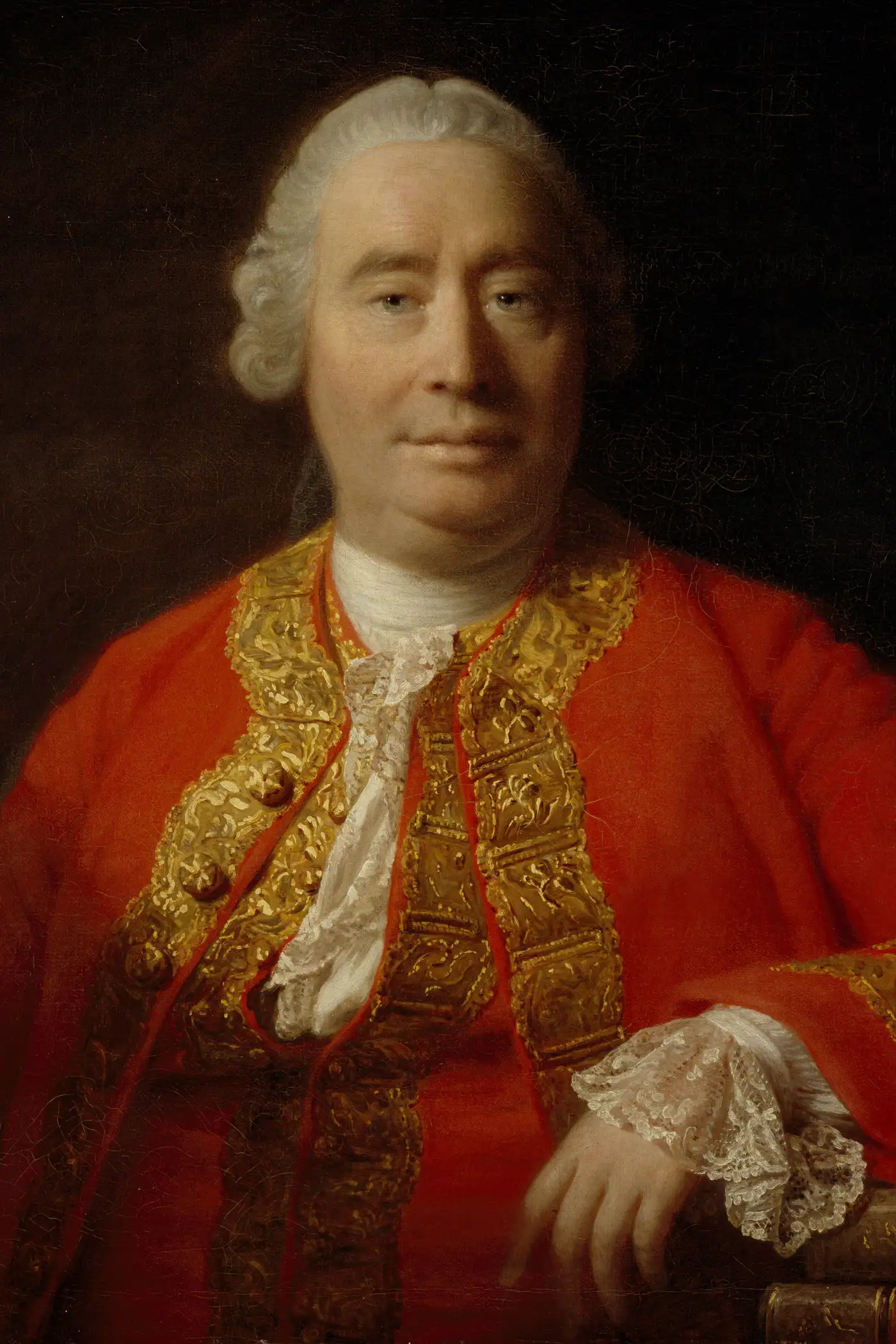
An Enquiry Concerning Human Understanding
What is An Enquiry Concerning Human Understanding about?
An Enquiry Concerning Human Understanding (1748) is David Hume's most accessible and influential philosophical work. In twelve sections, Hume investigates the nature and limits of human knowledge, arguing that all our ideas ultimately derive from sense experience. He presents his famous arguments against the rational justification of inductive reasoning and causation—we observe that one event follows another, but we cannot prove it must. The Enquiry also contains his celebrated argument against belief in miracles and his critique of the design argument for God's existence. It is the clearest introduction to Hume's revolutionary philosophy.
Main themes in An Enquiry Concerning Human Understanding
Empiricist Philosophy
The theme of empiricist philosophy weaves through An Enquiry Concerning Human Understanding, adding depth to its narrative.
Causation
An Enquiry Concerning Human Understanding thoughtfully explores causation through its central conflicts.
Problem of Induction
In An Enquiry Concerning Human Understanding, problem of induction provides a lens for understanding the story's core message.
Miracles
The presence of miracles in An Enquiry Concerning Human Understanding connects readers to its enduring relevance.
Why An Enquiry Concerning Human Understanding is still relevant today
This work is one of the most important philosophical texts ever written. Hume's arguments about causation, induction, and miracles remain central to philosophy, science, and theology.
Frequently Asked Questions
What is An Enquiry Concerning Human Understanding about?
Hume investigates the limits of human knowledge, arguing that all ideas come from experience and questioning our assumptions about cause and effect.
Is this book difficult to read?
It is Hume's most accessible work, written for a general audience rather than specialist philosophers.
Where can I read Hume's Enquiry online?
You can read it free on TextStack.