E. E. Cummings
Biography
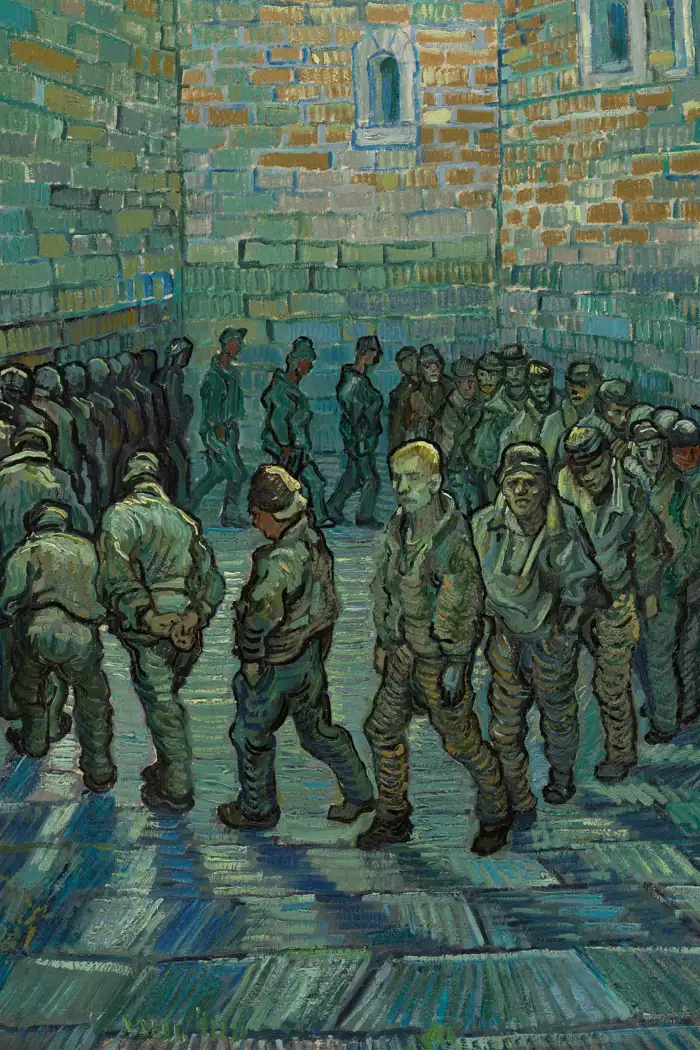
Edward Estlin Cummings (1894–1962), known as E. E. Cummings or e e cummings, was an American poet, painter, essayist, and playwright who became one of the most innovative and widely read poets of the twentieth century. His experimental typography, unconventional punctuation, and fragmented syntax created a distinctive visual and linguistic style that influenced generations of poets. But beneath the formal experimentation, Cummings was essentially a lyric poet of love, spring, childhood, and the wonder of individual experience. He published twelve volumes of poetry, several plays, and the autobiographical novel The Enormous Room (1922), based on his imprisonment in France during World War I.
Common themes in E. E. Cummings's work
Experimental Poetry
A recurring theme throughout E. E. Cummings's writing.
American Modernism
A recurring theme throughout E. E. Cummings's writing.
Visual Poetry
A recurring theme throughout E. E. Cummings's writing.
Love and Individuality
A recurring theme throughout E. E. Cummings's writing.
Books
Explore by genre
Other authors you may enjoy
Why E. E. Cummings is still read today
Cummings remains one of the most popular and influential American poets. His experimental techniques opened new possibilities for poetry on the page, while his celebration of individuality and love resonates with each new generation.
Frequently Asked Questions
Who was E. E. Cummings?
E. E. Cummings was an American poet known for radical typographical experimentation and lyric celebrations of love and individuality.
What is The Enormous Room about?
Cummings's autobiographical account of his wrongful imprisonment in France during World War I. Read it free on TextStack.
Why is Cummings's poetry unusual?
His radical use of typography, punctuation, and syntax creates poems that are visual as well as verbal experiences.
Essential cookies keep you signed in and save your reading progress. Analytics cookies help us understand how the site is used. You can reject analytics — we still work without them. Learn more in our Privacy Policy.