The Enormous Room
What is The Enormous Room about?
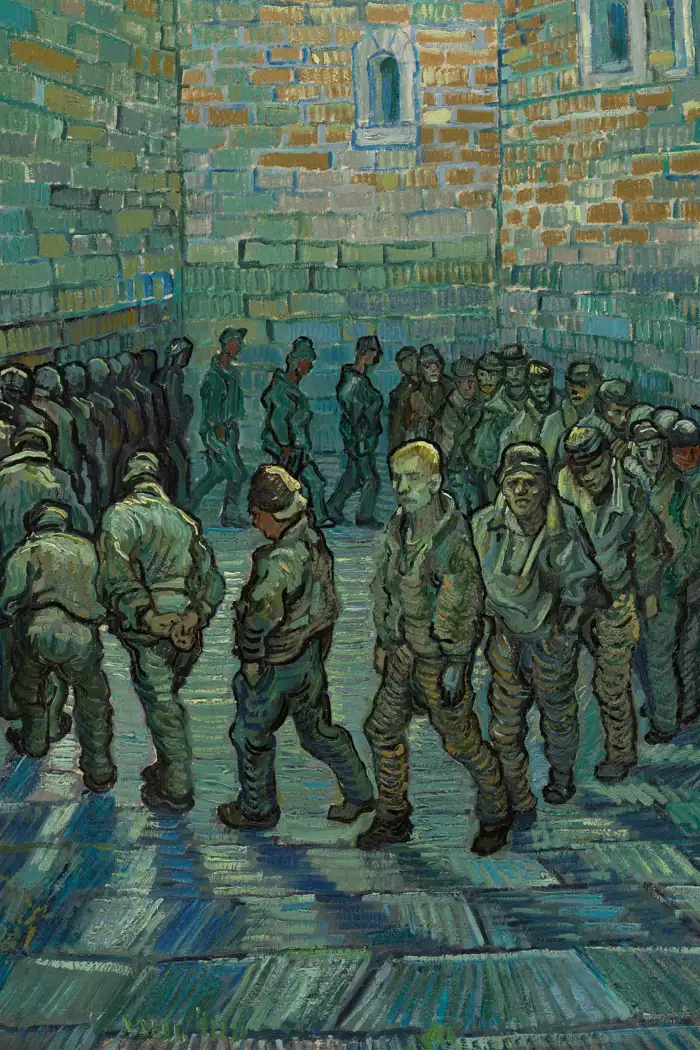
The Enormous Room (1922) is E. E. Cummings's autobiographical account of his arrest and imprisonment in a French detention camp during World War I. Cummings, serving as an ambulance driver, was detained for three months on suspicion of espionage because of letters written by a friend critical of the French war effort. Written in an exuberant, irreverent prose style influenced by his poetic sensibility, the book transforms a nightmare experience into a celebration of human individuality and defiance. Cummings portrays his fellow prisoners as vivid, unforgettable characters and turns his confinement into an allegory of the individual spirit resisting bureaucratic oppression.
Main themes in The Enormous Room
WWI Memoir
The Enormous Room thoughtfully explores wwi memoir through its central conflicts.
French Detention
The theme of french detention weaves through The Enormous Room, adding depth to its narrative.
Individual vs Authority
Individual vs Authority emerges as a defining element in The Enormous Room, shaping character development.
Modernist Prose
The presence of modernist prose in The Enormous Room connects readers to its enduring relevance.
Why The Enormous Room is still relevant today
The Enormous Room is one of the finest American accounts of World War I, combining modernist prose innovation with a powerful defense of individual freedom against institutional authority.
Frequently Asked Questions
What is The Enormous Room about?
Cummings's autobiographical account of being wrongfully imprisoned in a French detention camp during WWI, transformed into a celebration of individuality.
Is this the same E. E. Cummings who wrote poetry?
Yes—The Enormous Room was his first published work, written in the innovative prose style that characterized his poetry.
Where can I read The Enormous Room online?
You can read it free on TextStack.