Edmund Spenser
Biography
Edmund Spenser (c. 1552–1599) was an English poet regarded as one of the greatest in the language and the foremost poet of the Elizabethan age. His masterwork, The Faerie Queene (1590–96), is the longest and most ambitious poem in English, an allegorical epic celebrating Queen Elizabeth I and the virtues of the ideal Christian knight. Spenser also invented the Spenserian stanza, a nine-line verse form that influenced Keats, Shelley, and Byron. He served as a colonial official in Ireland, where he wrote most of his major work. Spenser was deeply admired by Milton, who called him a "sage and serious" poet, and by the Romantic poets.
Common themes in Edmund Spenser's work
Elizabethan Poetry
A recurring theme throughout Edmund Spenser's writing.
English Epic
A recurring theme throughout Edmund Spenser's writing.
Allegory
A recurring theme throughout Edmund Spenser's writing.
Arthurian Legend
A recurring theme throughout Edmund Spenser's writing.
Books
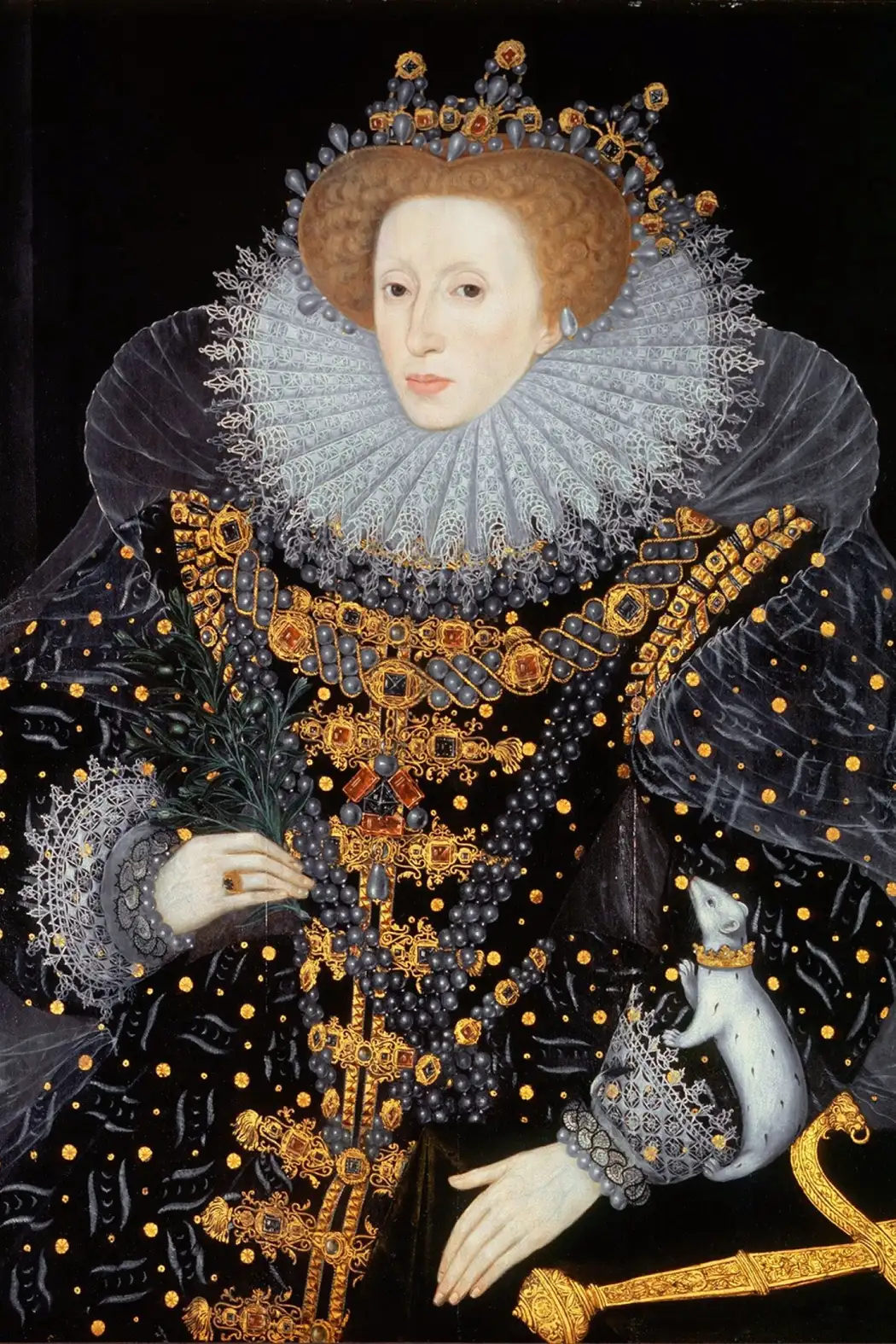
Explore by genre
Other authors you may enjoy
Why Edmund Spenser is still read today
Spenser is one of the foundational figures of English poetry. The Faerie Queene influenced Milton, the Romantics, and the entire tradition of English epic and allegorical poetry.
Frequently Asked Questions
Who was Edmund Spenser?
Spenser was the greatest English poet of the Elizabethan era, author of The Faerie Queene, the longest poem in English.
What is The Faerie Queene about?
An allegorical epic celebrating Queen Elizabeth and the virtues of the ideal Christian knight, set in an Arthurian fantasy world. Read it free on TextStack.
Why is Spenser important?
He influenced Milton, Keats, Shelley, and Byron, and invented the Spenserian stanza used by generations of poets.
Essential cookies keep you signed in and save your reading progress. Analytics cookies help us understand how the site is used. You can reject analytics — we still work without them. Learn more in our Privacy Policy.