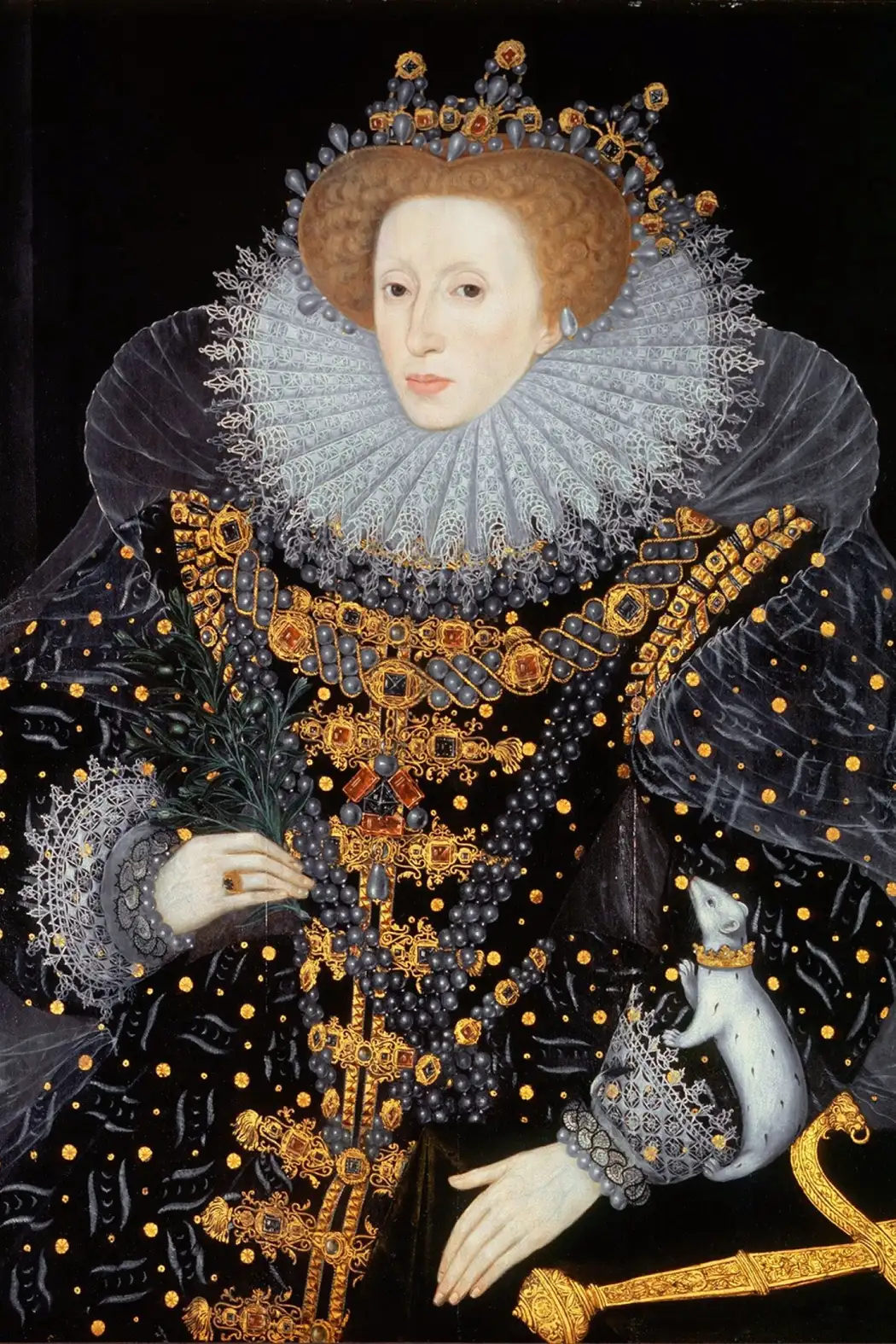
The Faerie Queene
What is The Faerie Queene about?
The Faerie Queene (1590–96) is Edmund Spenser's monumental allegorical epic, the longest poem in the English language. Set in a mythical Arthurian world called Faerie Land, the poem follows a series of knights who each embody a particular virtue—Holiness, Temperance, Chastity, Friendship, Justice, and Courtesy—as they undertake quests assigned by the Faerie Queene (representing Queen Elizabeth I). Spenser's verse is richly musical, employing the nine-line Spenserian stanza he invented, and his imagery draws on medieval romance, classical mythology, and Protestant allegory. The result is a vast, gorgeous, and endlessly inventive work that stands alongside Paradise Lost at the summit of English poetry.
Main themes in The Faerie Queene
Arthurian Legend
In The Faerie Queene, arthurian legend provides a lens for understanding the story's core message.
Christian Allegory
The Faerie Queene thoughtfully explores christian allegory through its central conflicts.
Six Virtues
Six Virtues emerges as a defining element in The Faerie Queene, shaping character development.
Elizabethan Epic
Elizabethan Epic emerges as a defining element in The Faerie Queene, shaping character development.
Why The Faerie Queene is still relevant today
The Faerie Queene is one of the greatest achievements in English literature. Its influence on subsequent poetry—from Milton through the Romantics—is incalculable.
Frequently Asked Questions
What is The Faerie Queene about?
Knights representing different virtues—Holiness, Temperance, Chastity, and others—undertake quests in a mythical Arthurian world called Faerie Land.
Is The Faerie Queene difficult to read?
The Elizabethan English requires adjustment, but the narrative is vivid and exciting. Many readers find it surprisingly accessible with a good edition.
Where can I read The Faerie Queene online?
You can read it free on TextStack.