Frederick Douglass
Biography
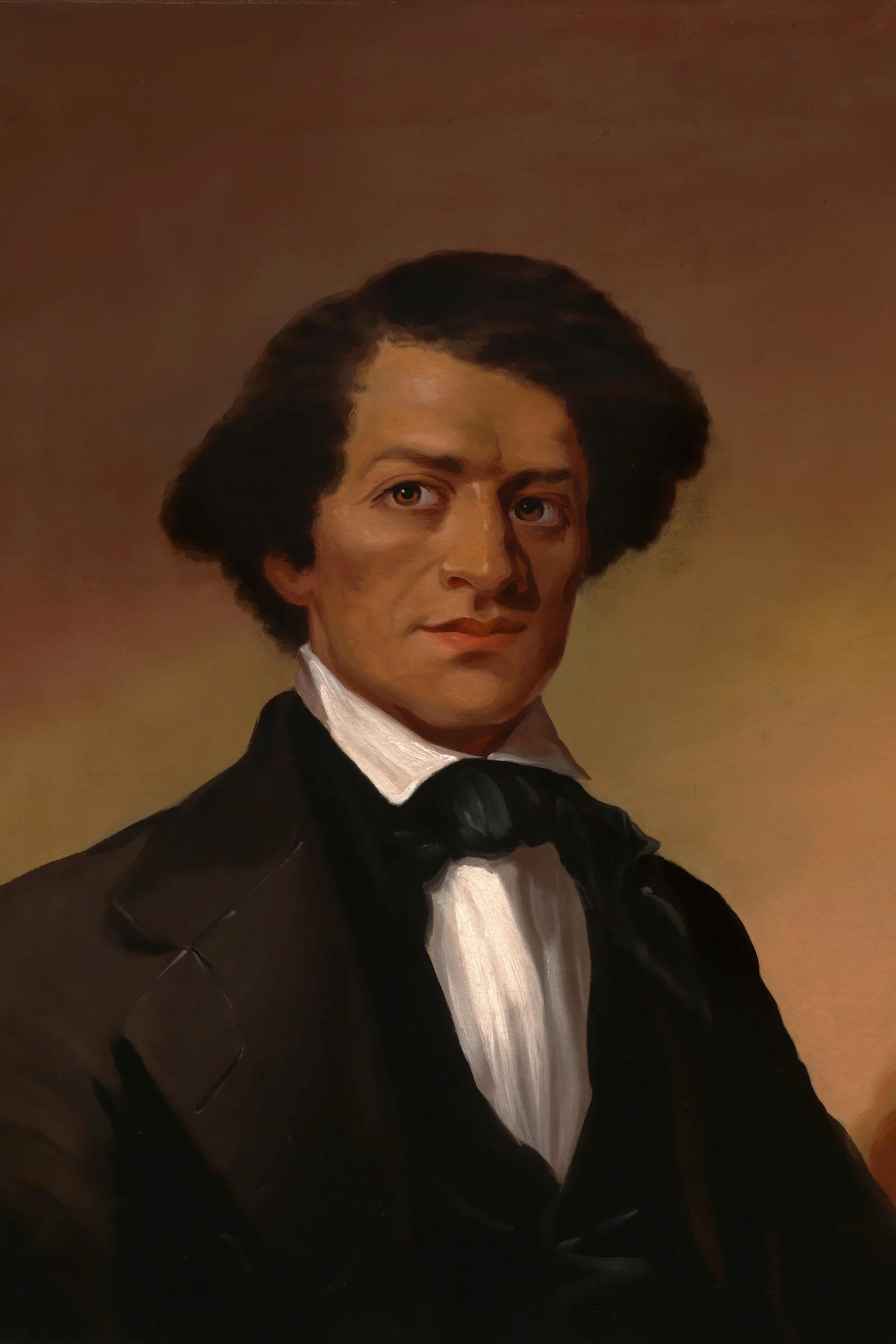
Frederick Douglass (1818–1895) was an American social reformer, abolitionist, orator, writer, and statesman who escaped from slavery to become the most prominent African American leader of the nineteenth century. His Narrative of the Life of Frederick Douglass, an American Slave (1845) is one of the most important works in American literature, providing a devastating firsthand account of slavery. Douglass became an internationally acclaimed speaker, advisor to Abraham Lincoln, and champion of civil rights, women's suffrage, and human dignity. He held several government positions and remained a powerful voice for justice until his death.
Common themes in Frederick Douglass's work
African American History
A recurring theme throughout Frederick Douglass's writing.
Slavery Narrative
A recurring theme throughout Frederick Douglass's writing.
Abolitionism
A recurring theme throughout Frederick Douglass's writing.
American Literature
A recurring theme throughout Frederick Douglass's writing.
Books
Explore by genre
Other authors you may enjoy

Why Frederick Douglass is still read today
Douglass's Narrative is one of the foundational texts of American literature and the civil rights tradition. His eloquent testimony against slavery and for human dignity remains essential reading.
Frequently Asked Questions
Who was Frederick Douglass?
Douglass escaped slavery to become the most prominent African American leader of the 19th century, a powerful orator and writer.
What is the Narrative about?
Douglass's firsthand account of his experience as a slave and his escape to freedom—one of the most important books in American literature. Read it free on TextStack.
Why is Douglass still important?
His testimony against slavery and advocacy for human dignity are foundational to the American civil rights tradition.
Essential cookies keep you signed in and save your reading progress. Analytics cookies help us understand how the site is used. You can reject analytics — we still work without them. Learn more in our Privacy Policy.