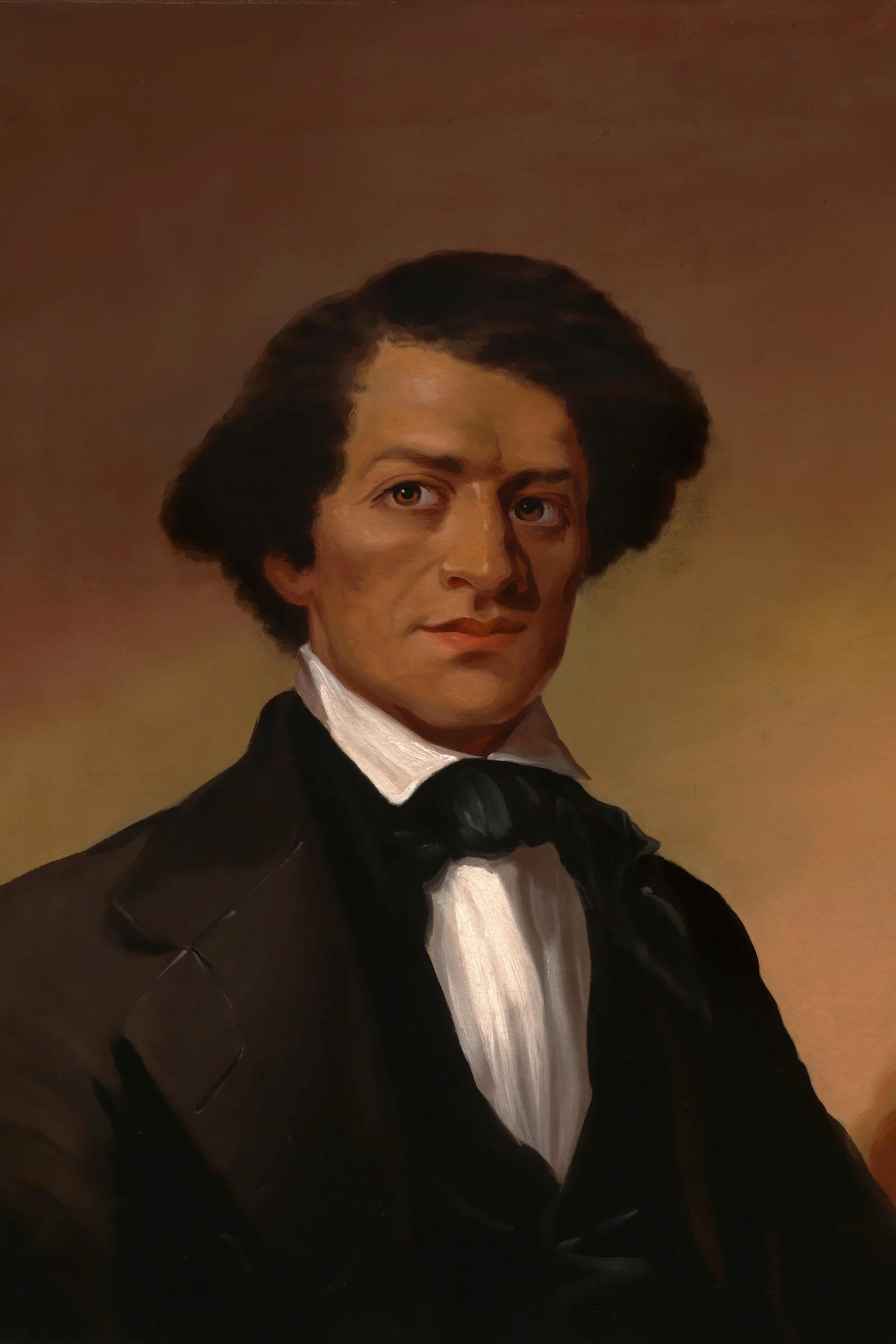
Narrative of the Life of Frederick Douglass
What is Narrative of the Life of Frederick Douglass about?
Narrative of the Life of Frederick Douglass, an American Slave (1845) is one of the most important works in American literature. Written by Douglass himself after his escape from slavery, it provides a devastating firsthand account of the institution: the dehumanizing conditions, the casual violence, the deliberate suppression of literacy, and the psychological mechanisms by which slavery was maintained. Douglass describes his early life in Maryland, his secret learning to read, his resistance to the slave-breaker Covey, and his eventual escape to freedom. The Narrative is both a searing indictment of slavery and a powerful testament to the human spirit's capacity for liberation.
Main themes in Narrative of the Life of Frederick Douglass
Slave Narrative
In Narrative of the Life of Frederick Douglass, slave narrative provides a lens for understanding the story's core message.
American Freedom
American Freedom emerges as a defining element in Narrative of the Life of Frederick Douglass, shaping character development.
Literacy and Liberation
Literacy and Liberation emerges as a defining element in Narrative of the Life of Frederick Douglass, shaping character development.
Resistance to Slavery
In Narrative of the Life of Frederick Douglass, resistance to slavery provides a lens for understanding the story's core message.
Why Narrative of the Life of Frederick Douglass is still relevant today
Douglass's Narrative is essential American reading. Its firsthand account of slavery remains one of the most powerful testimonies in the English language.
Frequently Asked Questions
What is the Narrative about?
Douglass's firsthand account of slavery—the conditions, the violence, his secret literacy, and his escape to freedom.
Is this book still relevant?
Absolutely—it is essential for understanding American history, race, and the ongoing struggle for human dignity.
Where can I read Douglass's Narrative online?
You can read it free on TextStack.