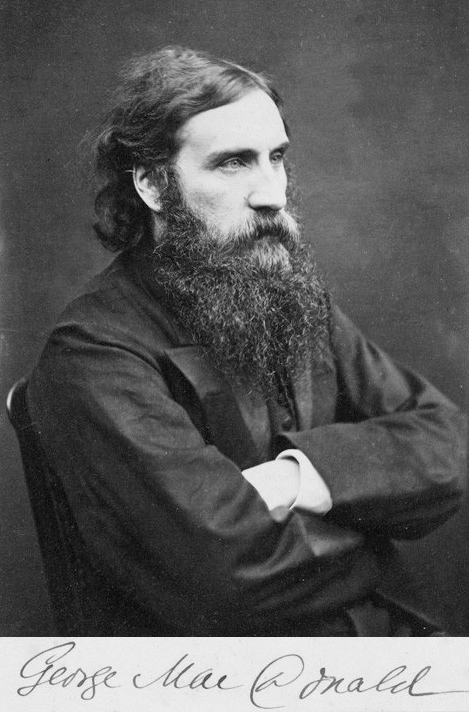
George MacDonald
Biography
George MacDonald (1824-1905) was a Scottish author, poet, and Christian minister whose fantasy novels profoundly influenced C.S. Lewis, J.R.R. Tolkien, and the entire modern fantasy genre. Born in Huntly, Aberdeenshire, he briefly served as a Congregationalist minister before turning to writing after theological disagreements with his congregation. MacDonald's fantasy works, including The Princess and the Goblin (1872), The Princess and Curdie (1883), and Phantastes (1858), pioneered the genre of literary fairy tales for adults and children. C.S. Lewis credited Phantastes with "baptizing his imagination" and considered MacDonald his master. Beyond fantasy, MacDonald wrote realistic novels of Scottish life, poetry, and sermons. His themes of divine love, redemption, and the spiritual significance of everyday life reflected his heterodox but deeply held Christian faith. His influence on fantasy literature is incalculable, making him the grandfather of modern fantasy.
Common themes in George MacDonald's work
Fairy tale and fantasy
A recurring theme throughout George MacDonald's writing.
Good vs. evil in children's literature
A recurring theme throughout George MacDonald's writing.
Christian allegory and redemption
A recurring theme throughout George MacDonald's writing.
The power of imagination
A recurring theme throughout George MacDonald's writing.
Books
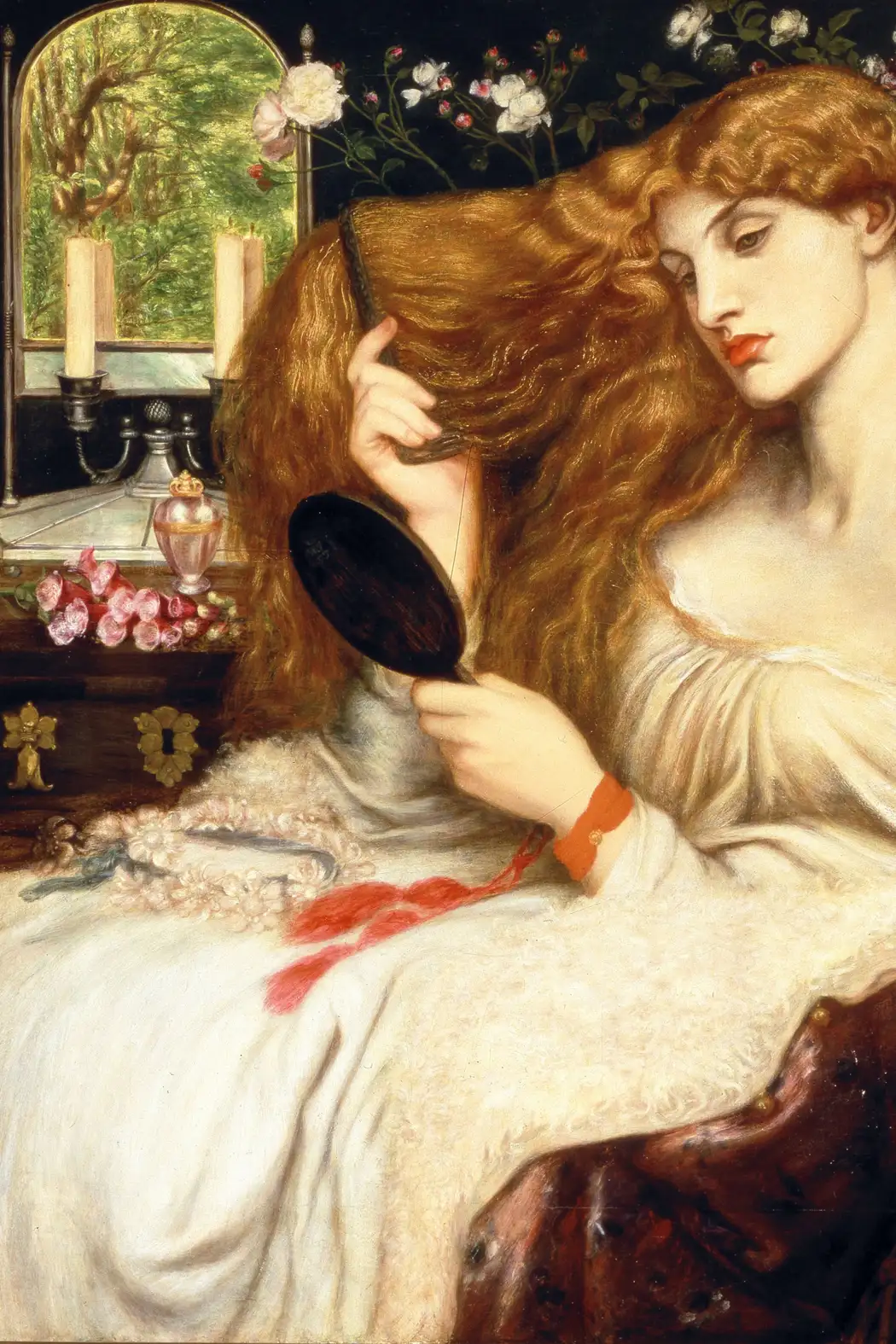
Lilith

The Princess and the Goblin
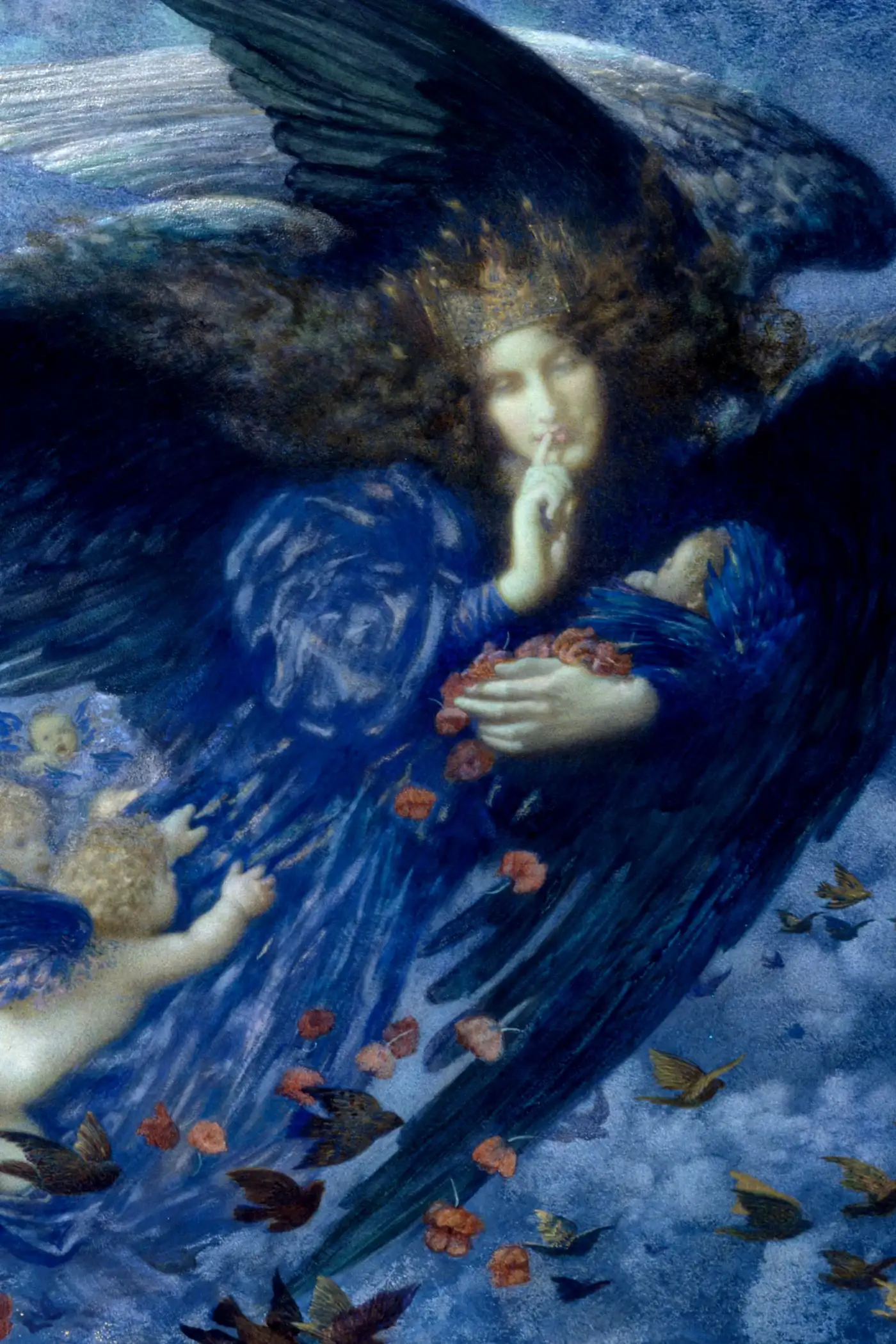
At the Back of the North Wind
Unspoken Sermons
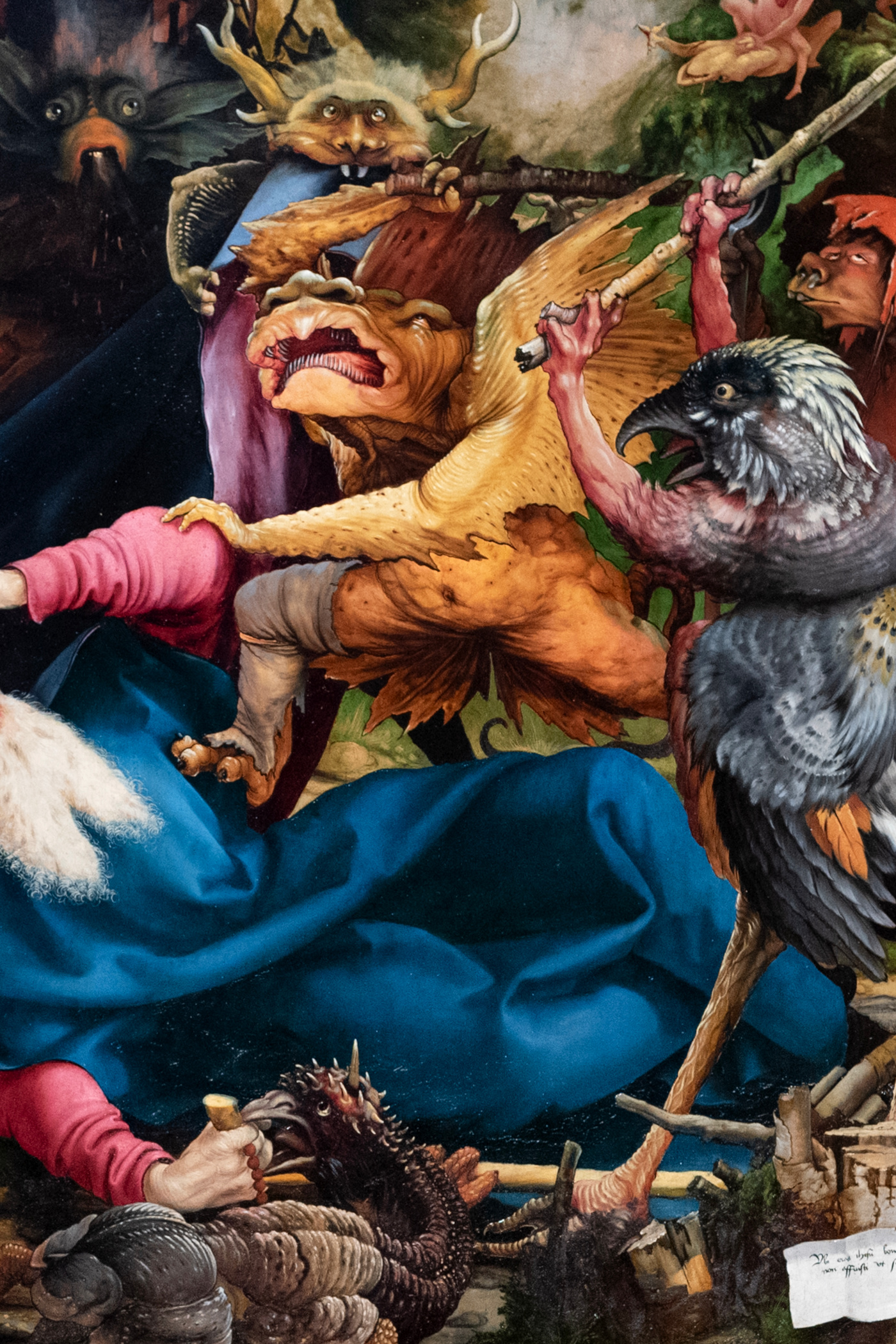
The Princess and Curdie
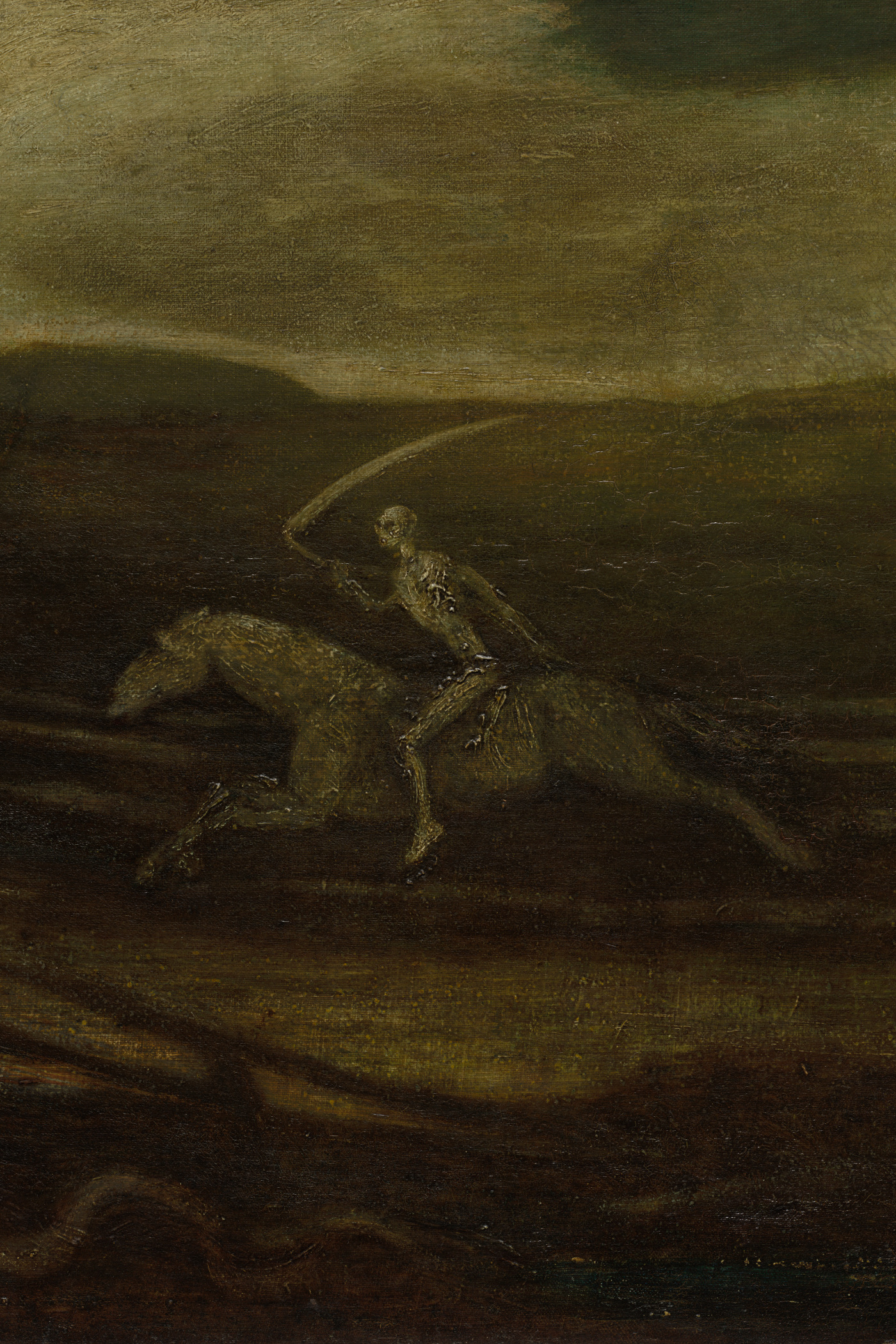
The Portent
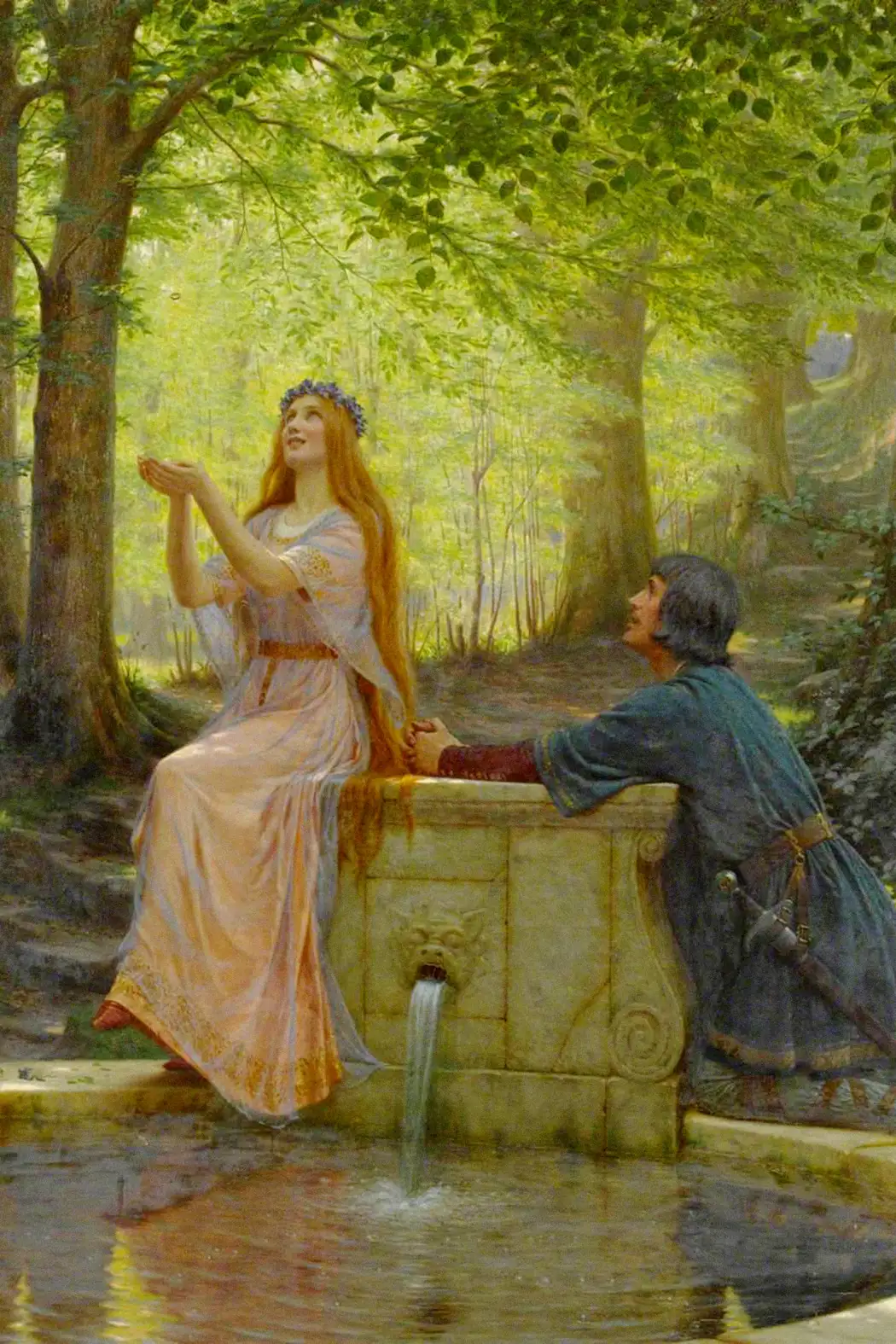
Phantastes
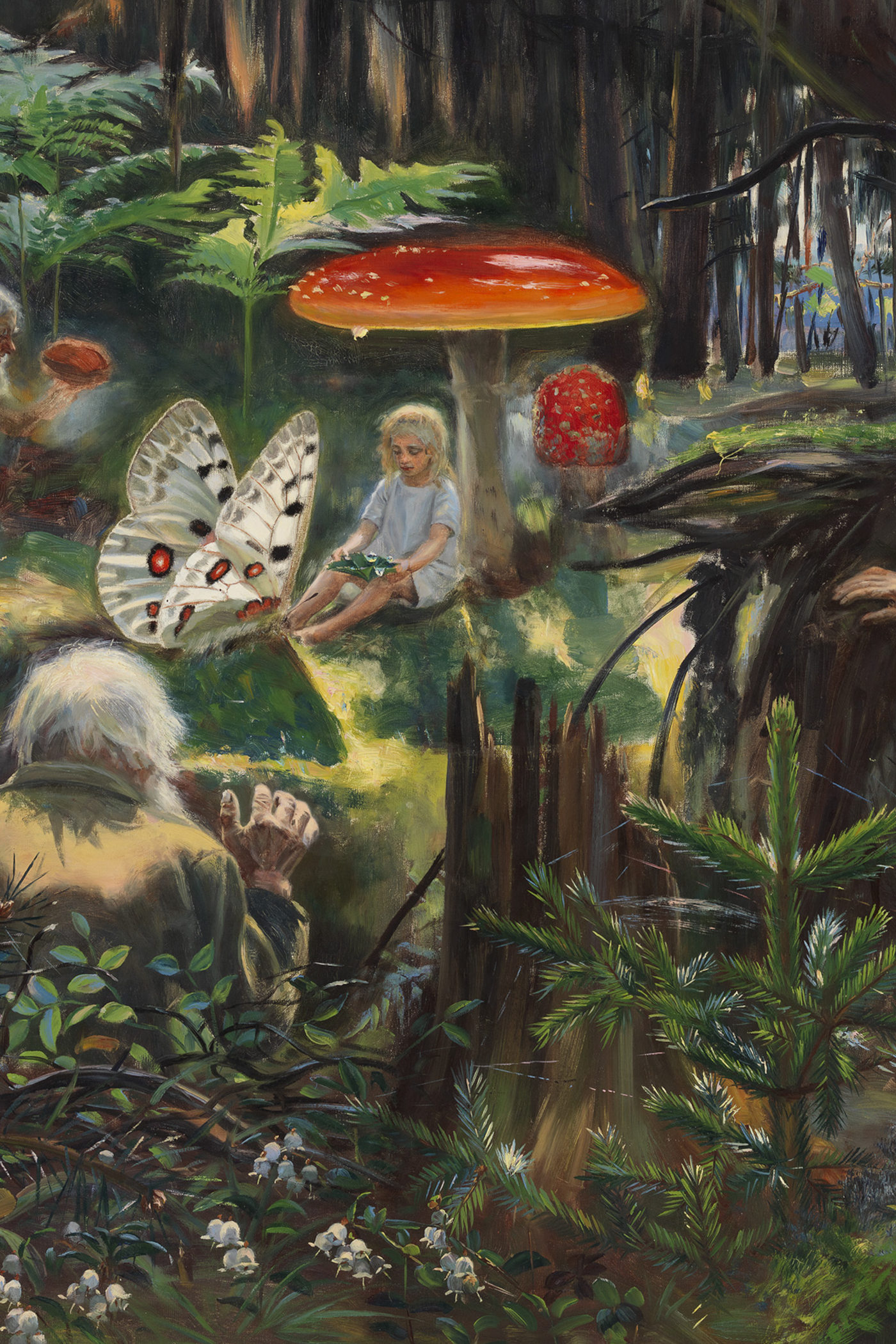
Short Fiction
Explore by genre
Other authors you may enjoy
Why George MacDonald is still read today
George MacDonald profoundly influenced fantasy literature through his fairy tales and fantasy novels, directly inspiring C.S. Lewis, J.R.R. Tolkien, and subsequent generations of fantasy writers. Lewis called him his "master," and his theological vision of redemption through imagination shaped the Inklings' approach to fantasy. The Princess and the Goblin and its sequel pioneered children's fantasy, while Phantastes and Lilith created templates for adult fantasy literature. MacDonald's integration of Christian symbolism with fairy tale wonder established approaches that children's literature and fantasy still employ. His work resonates with readers seeking imaginative literature with spiritual depth. Contemporary fantasy writers continue to draw on traditions he helped establish.
Frequently Asked Questions
What is The Princess and the Goblin about?
Young Princess Irene discovers a mysterious great-great-grandmother in the castle tower and befriends Curdie, a miner's son. Together they must defeat goblins planning to kidnap Irene. The novel combines adventure with MacDonald's spiritual themes.
How did MacDonald influence C.S. Lewis?
Lewis called reading Phantastes a conversion experience that 'baptized his imagination.' MacDonald's integration of Christian themes with fantasy directly inspired Narnia. Lewis also compiled an anthology of MacDonald's writings, calling him his 'master.'
What is distinctive about MacDonald's fantasy?
MacDonald combined fairy tale conventions with Christian theology, using fantasy to explore spiritual truths. His work emphasizes redemption, imagination's power, and divine love working through mysterious figures (like the grandmother in Princess). He pioneered symbolic fantasy for both children and adults.
What are MacDonald's adult fantasy novels?
Phantastes (1858) and Lilith (1895) are dream-like adult fantasies exploring spiritual journeys through otherworldly landscapes. They influenced the development of modern fantasy literature and remain significant to readers interested in imaginative spirituality.
Was MacDonald only a fantasy writer?
MacDonald also wrote realistic novels about Scottish life, numerous sermons, and poetry. He was a Congregationalist minister whose unorthodox theology led him away from pastoral work into writing. His realistic fiction, while less remembered, was popular in his time.
Essential cookies keep you signed in and save your reading progress. Analytics cookies help us understand how the site is used. You can reject analytics — we still work without them. Learn more in our Privacy Policy.