Short Fiction
What is Short Fiction about?
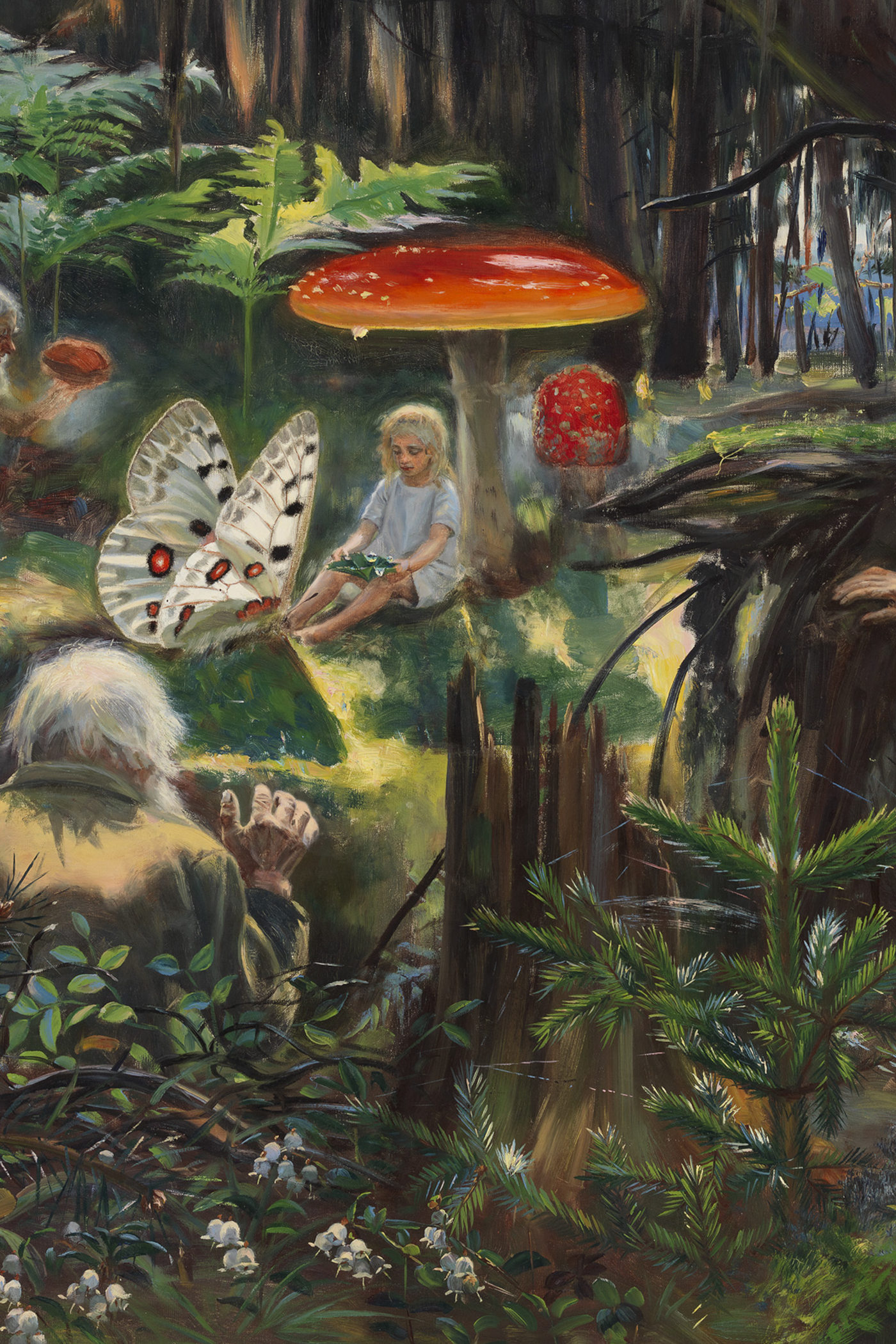
George MacDonald's *Short Fiction* gathers a selection of the Scottish Victorian author's most celebrated shorter works, including the allegorical fairy tale "A Double Story" (also published as *The Wise Woman*). Written in the tradition of German Romantic Märchen and informed by MacDonald's Christian Platonism, these stories blend domestic realism with fantastical landscapes to examine moral and spiritual development. "A Double Story" follows two girls of opposite social standing—a willful princess and a stubborn shepherd's daughter—each taken in by a mysterious wise woman who confronts them with their own nature. MacDonald employs transformation, enchantment, and symbolic geography to dramatize the inner life in ways that anticipate later fantasy literature. His prose style is ornate and poetic, marked by vivid natural description and passages of philosophical reflection. MacDonald was a significant influence on C. S. Lewis, J. R. R. Tolkien, and G. K. Chesterton, and his short fiction remains a foundational text in the canon of literary fantasy and Victorian moral allegory. The collection is available in full on TextStack.
Main themes in Short Fiction
Self-will and humility
Self-will and humility emerges as a defining element in Short Fiction, shaping character development.
Moral and spiritual transformation
In Short Fiction, moral and spiritual transformation provides a lens for understanding the story's core message.
Appearance and inner reality
The presence of appearance and inner reality in Short Fiction connects readers to its enduring relevance.
Wisdom and its transmission
The presence of wisdom and its transmission in Short Fiction connects readers to its enduring relevance.
Why Short Fiction is still relevant today
George MacDonald's short fiction occupies an unusual position in literary history: rooted in Victorian morality yet anticipating the symbolic fantasy of the twentieth century. C. S. Lewis credited MacDonald as his master, and readers familiar with Narnia will recognize the same layered allegorical structure and the figure of the enigmatic wise guide. The stories engage perennial concerns—self-deception, pride, the difficulty of genuine self-knowledge—without reducing them to simple didacticism. Contemporary readers interested in the roots of modern fantasy, the intersection of faith and imagination, or Victorian children's literature will find MacDonald's work both historically illuminating and narratively compelling. His treatment of female protagonists with genuine interiority was also relatively progressive for its era.
More by this author
Frequently Asked Questions
What is Short Fiction by George MacDonald about?
George MacDonald's Short Fiction collects allegorical fairy tales and shorter narratives that blend fantastical settings with moral and spiritual themes. The centrepiece, 'A Double Story,' follows a spoiled princess and a stubborn shepherd's daughter who are each guided by a mysterious wise woman through a process of self-confrontation and growth.
Is Short Fiction by George MacDonald difficult to read?
MacDonald's prose is Victorian in style—richly descriptive and occasionally digressive—but his storytelling is direct and his narratives are engaging. Readers comfortable with nineteenth-century English will find the language accessible, while the allegorical layers reward closer attention. The full text is available free on TextStack.
How long does it take to read Short Fiction by George MacDonald?
Reading time varies depending on which stories are included, but 'A Double Story' alone is a novella-length work of roughly 25,000–30,000 words, readable in two to three hours. Shorter pieces in the collection can be read individually in under an hour each.
What are the main themes in Short Fiction by George MacDonald?
The central themes include self-will and the difficulty of overcoming it, moral and spiritual transformation, the gap between outward appearance and inner character, and the role of suffering in genuine growth. MacDonald also returns repeatedly to nature as a vehicle for spiritual meaning and to wise, sometimes stern guides who serve as catalysts for change.