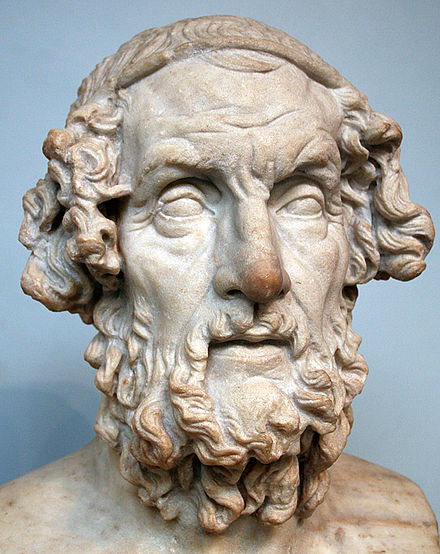
Homer
Biography
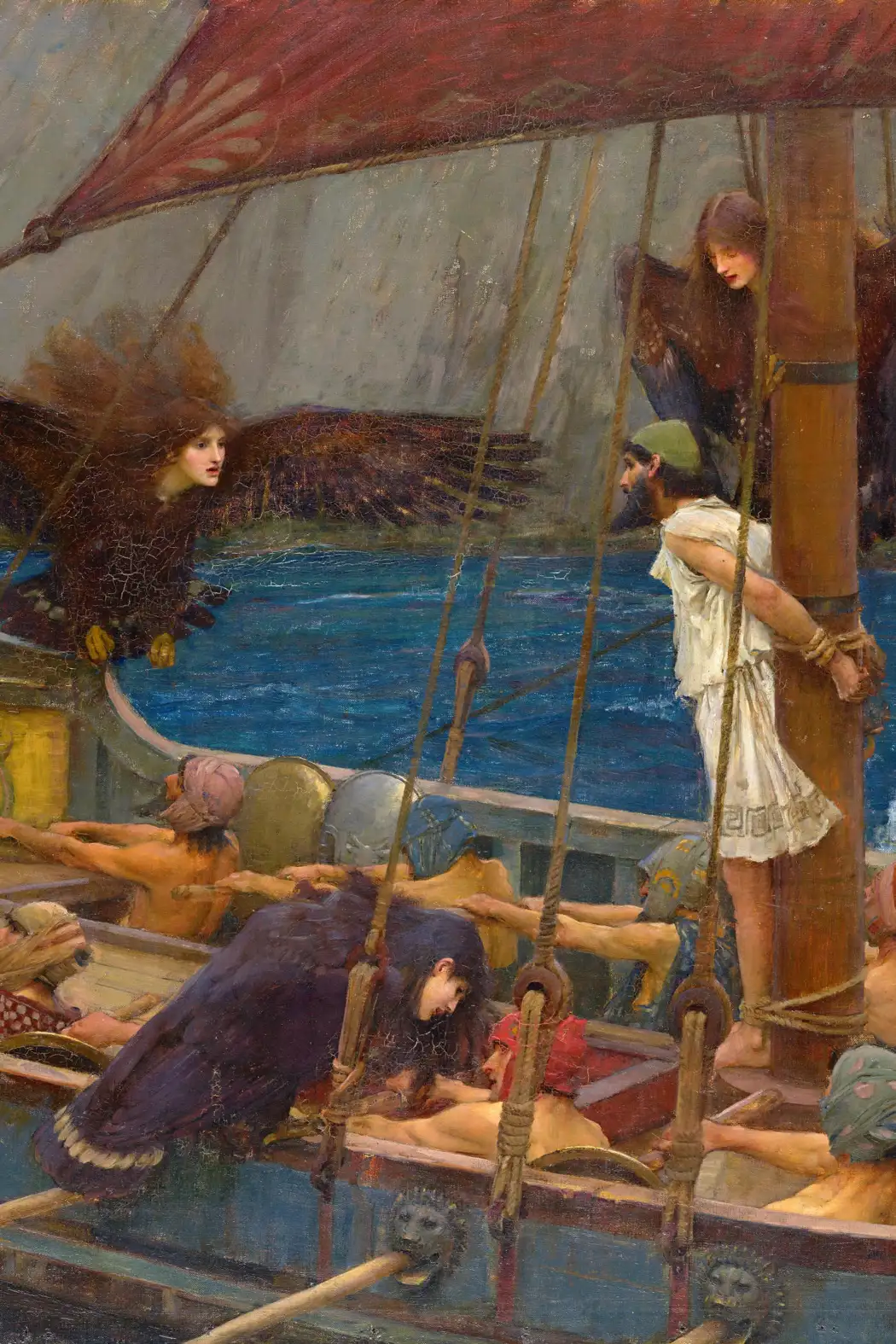
Homer (c. 8th century BC) is the legendary ancient Greek poet traditionally credited with composing the Iliad and the Odyssey, the foundational epics of Western literature. Though his historical existence remains debated by scholars—the "Homeric Question"—ancient Greeks believed he was a blind bard from Ionia who lived sometime between the 12th and 8th centuries BC. The Iliad, set during the Trojan War, tells of the wrath of Achilles and its devastating consequences. The Odyssey follows the hero Odysseus on his ten-year journey home from Troy, facing monsters, temptations, and the hostility of Poseidon. Together, these epics established narrative conventions, character archetypes, and themes that have shaped storytelling for nearly three millennia. Whether Homer was a single individual, a name for a tradition, or a guild of poets, the works attributed to him represent humanity's first great literature. They have been continuously read, studied, translated, and adapted, profoundly influencing Virgil, Dante, Milton, Joyce, and virtually every major Western author.
Common themes in Homer's work
War and glory
A recurring theme throughout Homer's writing.
Homecoming and identity
A recurring theme throughout Homer's writing.
Divine intervention
A recurring theme throughout Homer's writing.
Honor and mortality
A recurring theme throughout Homer's writing.
Books
Explore by genre
Other authors you may enjoy

Why Homer is still read today
Homer stands at the foundation of Western literature, his Iliad and Odyssey having shaped storytelling for nearly three thousand years. These epics established the hero's journey, the catalog of warriors, and the intervention of gods as narrative conventions still used today. Every subsequent Western epic—from Virgil's Aeneid to Joyce's Ulysses—responds to Homer. The poems' influence extends beyond literature to philosophy (Plato banned Homer from his ideal republic), history (Schliemann excavated Troy believing Homer), and psychology (the "odyssey" as metaphor for life's journey). New translations regularly become bestsellers, and film adaptations like Troy and O Brother, Where Art Thou? prove Homer's stories remain compelling. His exploration of war, homecoming, honor, and human limitation speaks to every generation.
Frequently Asked Questions
Did Homer actually exist?
The "Homeric question" has been debated for centuries. Homer may have been a single poet, a name for a tradition, or multiple poets. Most scholars believe the epics reached their current form around the 8th century BCE, whether by one genius or evolved tradition.
Which translation of Homer should I read?
For accuracy with poetry, Richmond Lattimore; for readable verse, Robert Fagles; for contemporary accessibility, Emily Wilson (Odyssey) or Caroline Alexander (Iliad). Each translation emphasizes different qualities of the original Greek.
Should I read the Iliad or Odyssey first?
The Iliad comes first chronologically (the Trojan War) and was likely composed first. However, the Odyssey's adventure narrative is more accessible for beginners. Either order works—they can be read independently.
How long does it take to read Homer?
The Iliad is about 500 pages in most translations, the Odyssey slightly shorter. Each can be read in a week of dedicated reading or enjoyed more slowly. Both reward rereading and careful attention.
Why is Homer important?
Homer established the foundations of Western literature: narrative structure, character psychology, and heroic values. His epics were the primary texts of Greek education and influenced every subsequent classical author. Western literature begins with Homer.
Essential cookies keep you signed in and save your reading progress. Analytics cookies help us understand how the site is used. You can reject analytics — we still work without them. Learn more in our Privacy Policy.