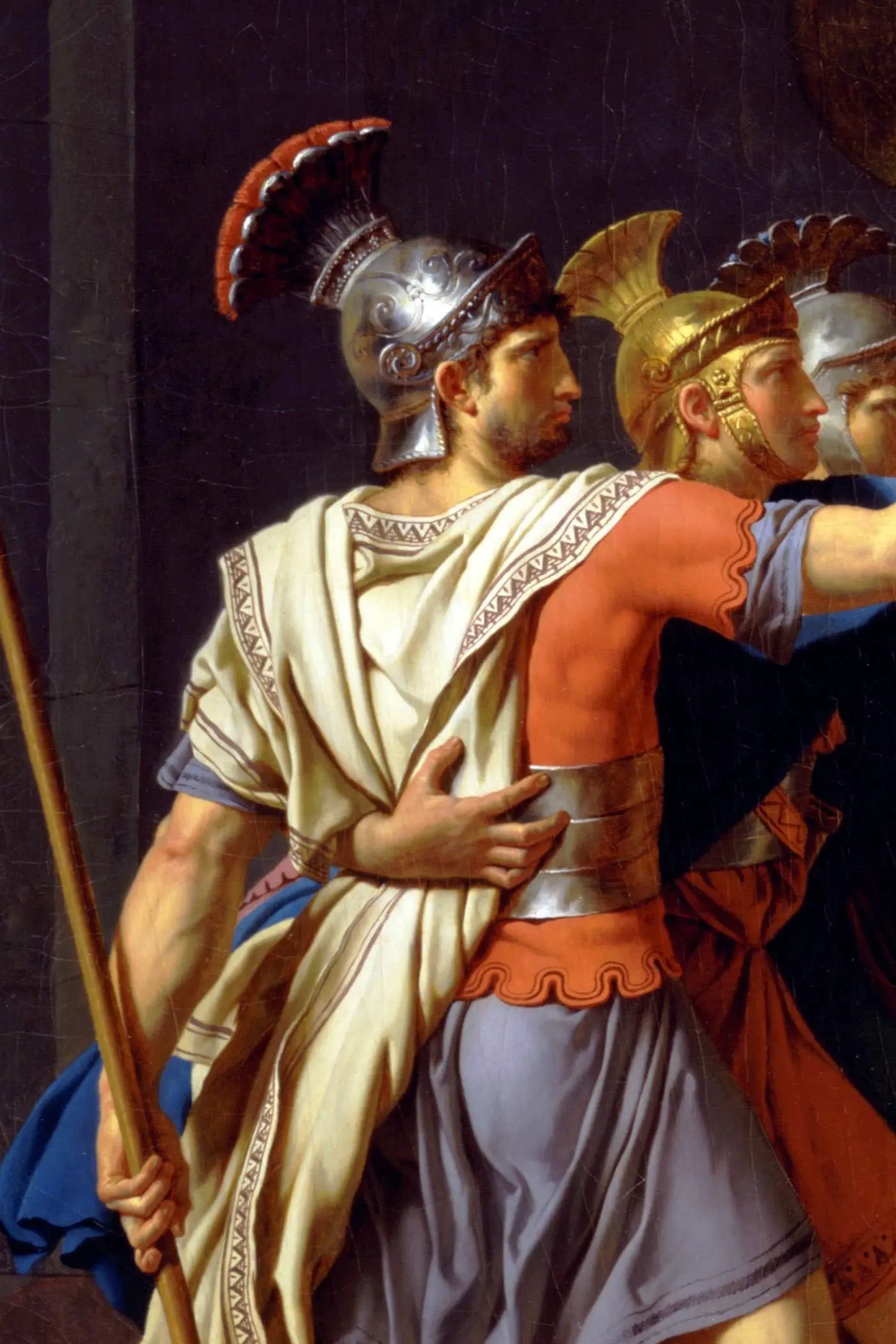
The Iliad
What is The Iliad about?
The Iliad by Homer is the foundational epic of Western literature, composed around 750 BC and still powerful after nearly three millennia. This ancient Greek masterpiece recounts a few fateful weeks during the Trojan War, focusing on the devastating wrath of Achilles, the greatest warrior among the Greeks. When King Agamemnon dishonors him, Achilles withdraws from battle with catastrophic consequences for both armies. Homer's epic explores timeless themes of honor, glory, mortality, and the terrible cost of war through unforgettable characters including Hector, Paris, Helen, and the intervening gods of Olympus. This monumental work shaped all subsequent Western literature and remains essential reading.
Main themes in The Iliad
Rage and honor
The Iliad thoughtfully explores rage and honor through its central conflicts.
War and mortality
The theme of war and mortality weaves through The Iliad, adding depth to its narrative.
Glory and death
The Iliad thoughtfully explores glory and death through its central conflicts.
Friendship and loss
The theme of friendship and loss weaves through The Iliad, adding depth to its narrative.
Why The Iliad is still relevant today
The Iliad is the foundational text of Western literature, depicting the rage of Achilles during the Trojan War. Its portrayal of war's glory and horror, heroic honor and human mortality, has influenced every subsequent war narrative. The poem's psychological depth—Achilles' grief, Hector's doomed nobility—makes these Bronze Age warriors feel eternally contemporary.
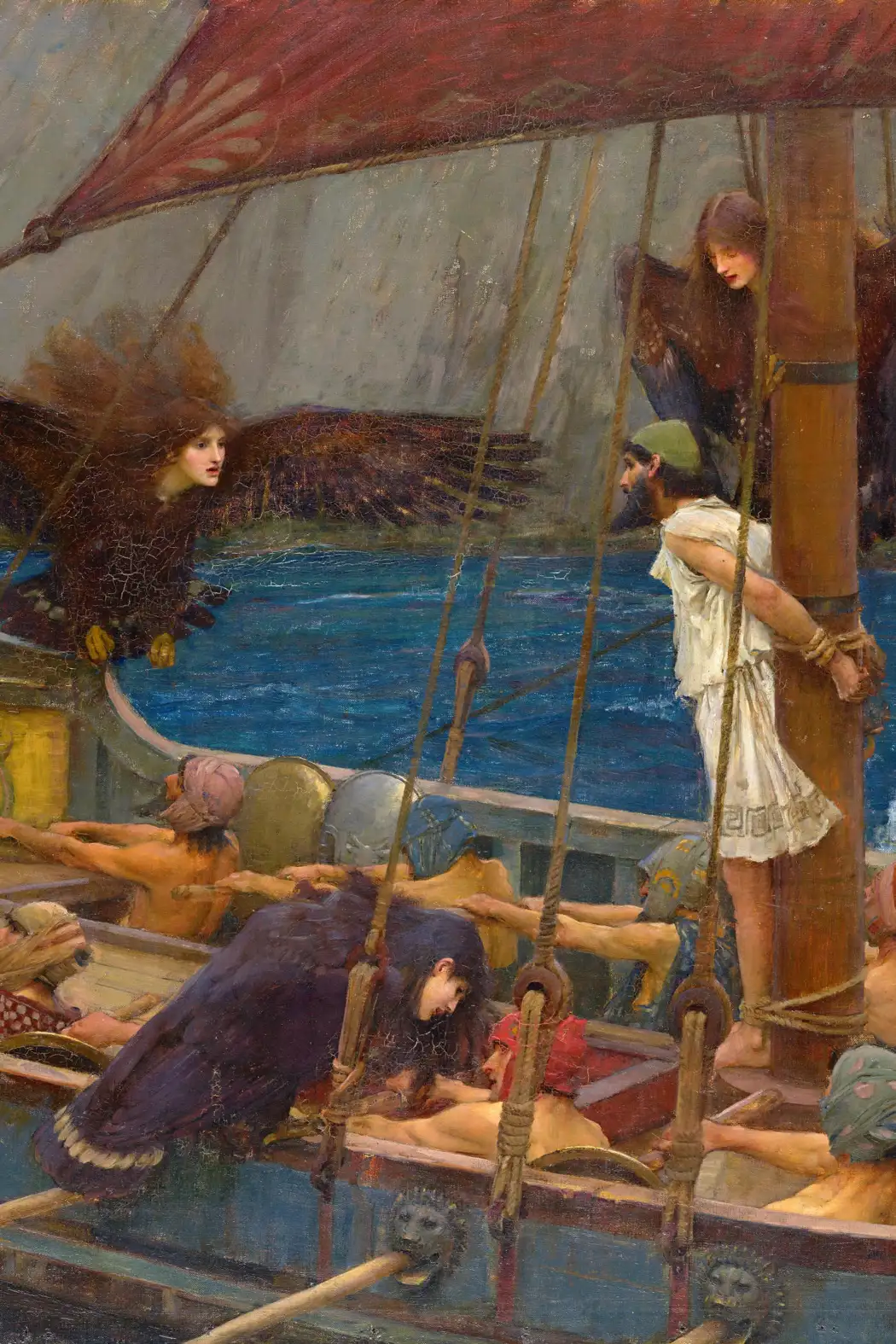
More by this author
Frequently Asked Questions
What is the Iliad about?
The Iliad covers several weeks during the tenth year of the Trojan War, focusing on the Greek hero Achilles' rage after King Agamemnon takes his war prize. Achilles withdraws from battle; his friend Patroclus dies; Achilles returns to kill the Trojan hero Hector.
Does the Iliad include the Trojan Horse?
No. The Iliad ends before Troy falls—with Hector's funeral. The Trojan Horse appears in the Odyssey and other sources. The Iliad covers only a few weeks of the war, not its beginning or end.
Is the Iliad difficult to read?
The epic conventions (catalogs of warriors, repeated epithets, divine interventions) can feel unfamiliar. Good translations and patience help. The battle scenes can be brutal. But the human drama—grief, rage, love—remains deeply accessible.
Who wins in the Iliad?
The Iliad doesn't depict Greek victory. It ends with Hector's funeral after Achilles kills him. The Greeks will win eventually, and Achilles will die, but those events occur after the poem ends.