John Dos Passos
Biography
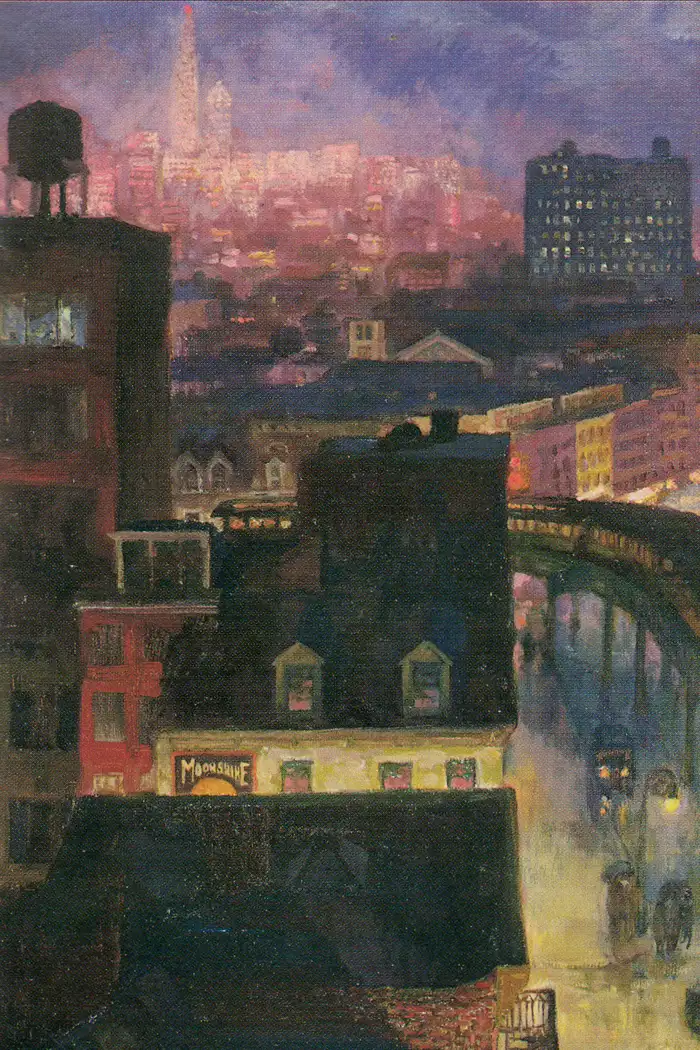
John Dos Passos (1896–1970) was an American novelist and artist whose innovative narrative techniques made him one of the most important writers of the twentieth century. Born in Chicago to a prominent Portuguese-American family, Dos Passos graduated from Harvard and served as an ambulance driver in World War I. His war novel Three Soldiers (1921) established his reputation, but his masterpiece is the U.S.A. trilogy (1930–1936), which combined conventional narrative with “Newsreel” collages, “Camera Eye” stream-of-consciousness passages, and biographical sketches to create a panoramic portrait of American life in the early twentieth century. Manhattan Transfer (1925), his earlier experimental novel, pioneered similar techniques in its kaleidoscopic depiction of New York City. Jean-Paul Sartre called Dos Passos “the greatest writer of our time.” Though his radical leftist politics shifted rightward later in life, his literary innovations influenced writers from Sartre to Norman Mailer and established new possibilities for the American novel.
Common themes in John Dos Passos's work
American modernism
A recurring theme throughout John Dos Passos's writing.
Experimental narrative
A recurring theme throughout John Dos Passos's writing.
Urban panorama
A recurring theme throughout John Dos Passos's writing.
Social criticism
A recurring theme throughout John Dos Passos's writing.
Books
Explore by genre
Other authors you may enjoy
Why John Dos Passos is still read today
John Dos Passos’s innovative narrative techniques—collage, multiple perspectives, documentary elements—anticipated postmodern fiction and influenced generations of writers. Manhattan Transfer and the U.S.A. trilogy remain essential texts for understanding both American modernism and the nation’s tumultuous early twentieth century.
Frequently Asked Questions
Who was John Dos Passos?
John Dos Passos (1896–1970) was an American novelist whose innovative techniques in Manhattan Transfer and the U.S.A. trilogy made him one of the most important modernist writers.
What makes Dos Passos innovative?
He pioneered collage techniques—combining conventional narrative with newsreels, stream-of-consciousness, and biographical sketches—that anticipated postmodern fiction.
Where can I read Dos Passos online?
You can read Manhattan Transfer for free on TextStack with a clean reading interface.
Essential cookies keep you signed in and save your reading progress. Analytics cookies help us understand how the site is used. You can reject analytics — we still work without them. Learn more in our Privacy Policy.