John Milton
Biography
John Milton (1608–1674) was an English poet, polemicist, and civil servant whose epic poem Paradise Lost is one of the supreme achievements of world literature. Born in London to a prosperous family, Milton was educated at Christ’s College, Cambridge, and devoted years to private study before entering public life as a pamphleteer for the Parliamentary cause during the English Civil War. He served as Secretary for Foreign Tongues under Oliver Cromwell’s Commonwealth, producing political writings that defended regicide, press freedom (Areopagitica), and divorce reform. Milton went completely blind by 1652 but continued to write, dictating his greatest works to amanuenses. Paradise Lost (1667), an epic poem in blank verse telling the story of Satan’s rebellion against God and the Fall of Man, is considered second only to Shakespeare among the achievements of English literature. Milton’s grand style, philosophical depth, and complex portrayal of Satan as a tragic figure have influenced every subsequent English poet. His defense of free expression in Areopagitica remains a foundational text of liberal political philosophy.
Common themes in John Milton's work
English epic poetry
A recurring theme throughout John Milton's writing.
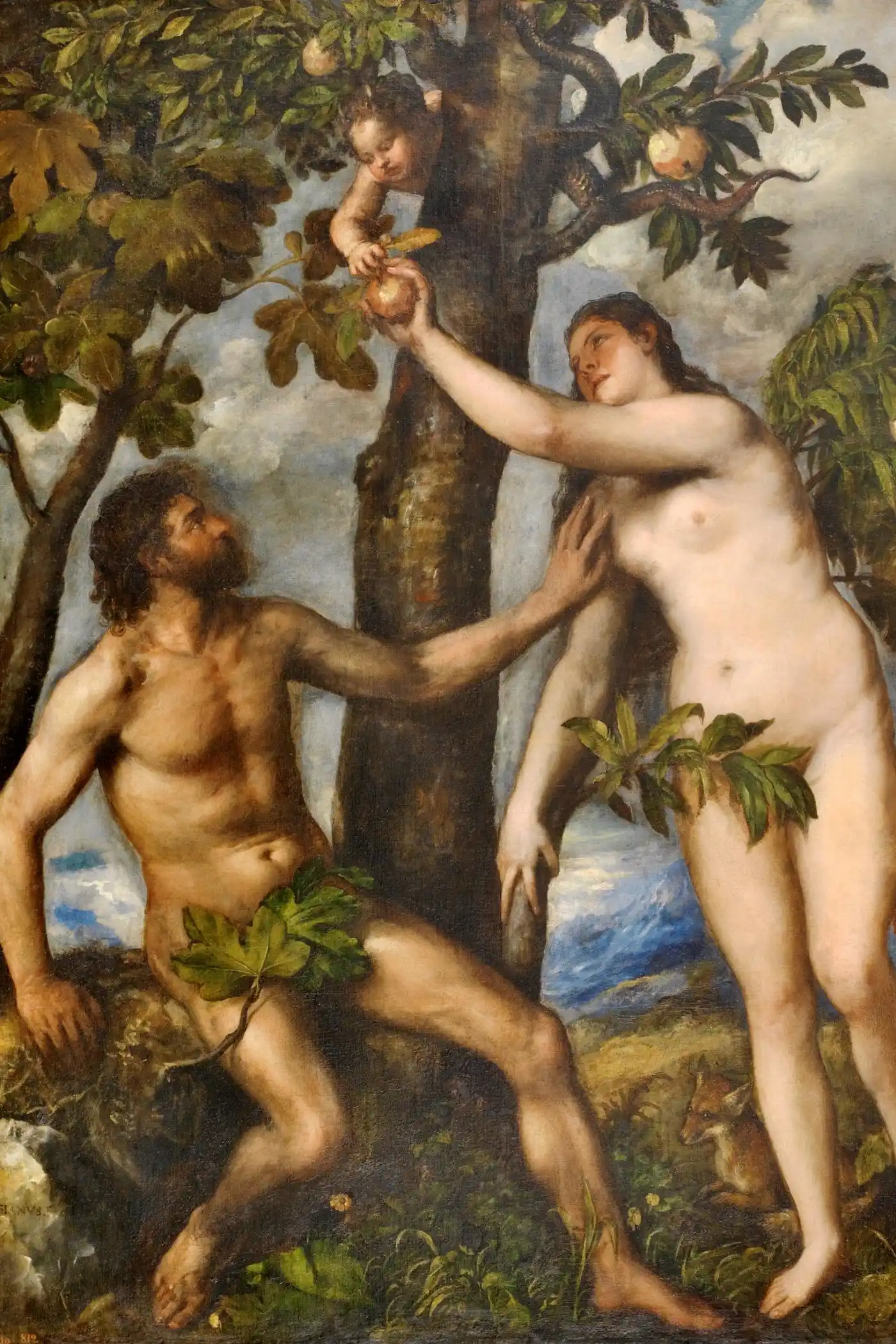
Fall of Man
A recurring theme throughout John Milton's writing.
Satan as character
A recurring theme throughout John Milton's writing.
Free speech
A recurring theme throughout John Milton's writing.
Books
Explore by genre
Other authors you may enjoy
Why John Milton is still read today
John Milton’s Paradise Lost is one of the foundational works of English literature, whose influence on poetry, theology, and the cultural imagination of good and evil is immeasurable. His defense of free speech in Areopagitica anticipated modern concepts of press freedom and remains a touchstone of liberal thought.
Frequently Asked Questions
Who was John Milton?
John Milton (1608–1674) was an English poet whose Paradise Lost is considered one of the greatest works of English literature, and whose Areopagitica is a foundational defense of free speech.
Was Milton blind when he wrote Paradise Lost?
Yes, Milton was completely blind when he composed Paradise Lost, dictating the entire epic poem to amanuenses.
Where can I read Milton online?
You can read Paradise Lost for free on TextStack with a clean reading interface.
Essential cookies keep you signed in and save your reading progress. Analytics cookies help us understand how the site is used. You can reject analytics — we still work without them. Learn more in our Privacy Policy.