Paradise Lost
What is Paradise Lost about?
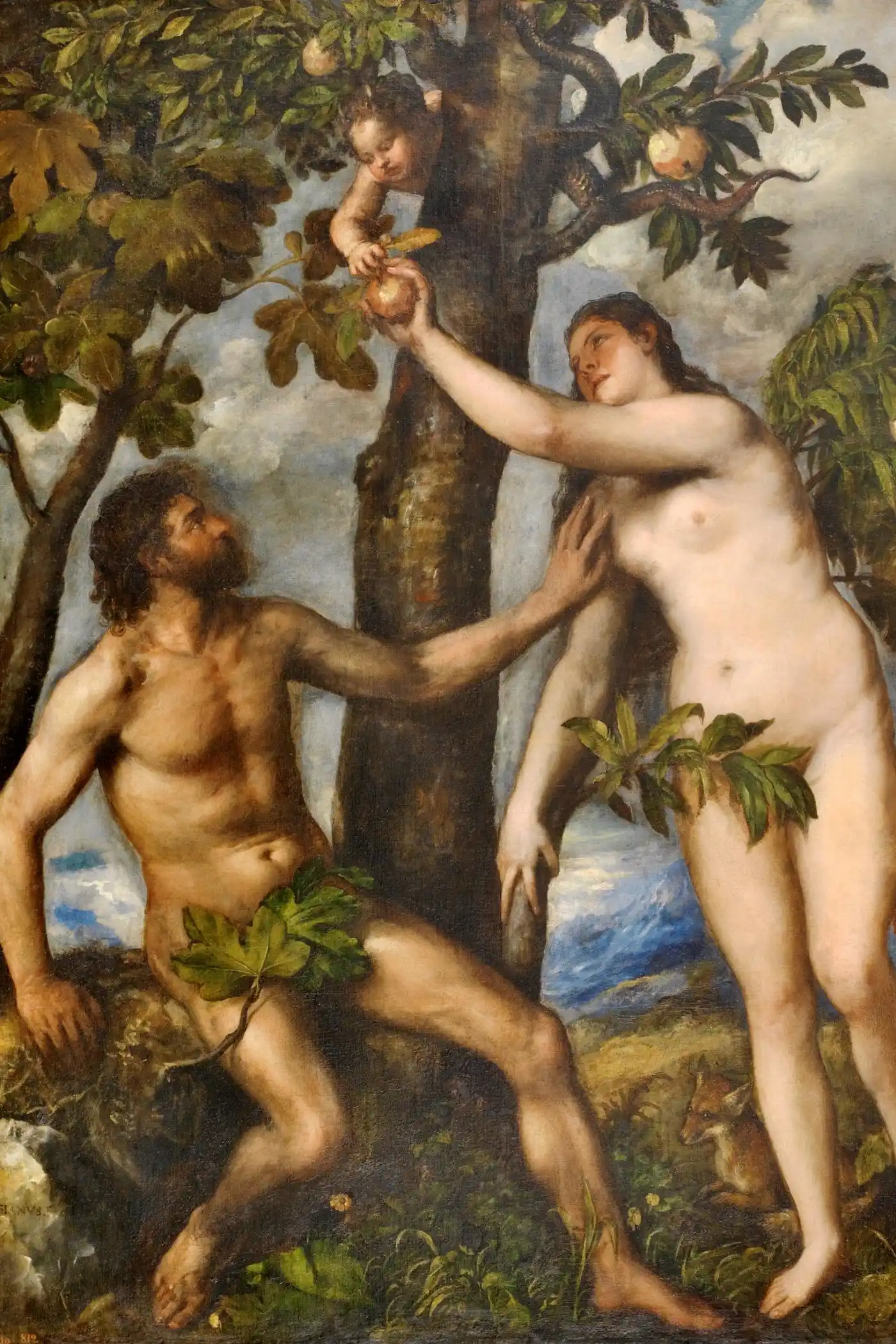
Paradise Lost (1667) is John Milton’s epic poem in blank verse, retelling the biblical story of Satan’s rebellion against God, the war in Heaven, and the fall of Adam and Eve in the Garden of Eden. The poem opens with Satan and his rebel angels cast into Hell after their failed revolt, where Satan rallies his followers and plots revenge by corrupting God’s newest creation—humanity. Milton’s portrayal of Satan—proud, eloquent, and charismatic in his defiance—is one of literature’s most complex characterizations, creating a figure who has fascinated readers and divided critics for centuries. The poem encompasses cosmic warfare, celestial debate, the beauty of Eden, the psychology of temptation, and the consequences of disobedience, all rendered in Milton’s magnificent grand style. Paradise Lost engages with fundamental questions about free will, obedience, knowledge, and the nature of evil that transcend its religious framework. Its influence on English poetry is immeasurable—from the Romantics (who saw Satan as a revolutionary hero) to contemporary literature. Composed while Milton was completely blind, Paradise Lost stands as one of the supreme achievements of the human imagination.
Main themes in Paradise Lost
Epic poetry
Epic poetry emerges as a defining element in Paradise Lost, shaping character development.
Fall of Man
Paradise Lost thoughtfully explores fall of man through its central conflicts.
Satan and rebellion
The presence of satan and rebellion in Paradise Lost connects readers to its enduring relevance.
Free will
In Paradise Lost, free will provides a lens for understanding the story's core message.
Why Paradise Lost is still relevant today
Paradise Lost is one of the greatest poems in any language, whose exploration of rebellion, free will, temptation, and the nature of evil continues to shape literature, theology, and cultural imagination.
Frequently Asked Questions
What is Paradise Lost about?
Milton’s epic poem tells the story of Satan’s rebellion against God, the war in Heaven, and the temptation and fall of Adam and Eve in the Garden of Eden.
Is Paradise Lost difficult to read?
Milton’s blank verse and elevated style require adjustment, but the dramatic story, vivid imagery, and philosophical depth richly reward the effort.
Can I read Paradise Lost online for free?
Yes, read the complete text for free on TextStack with a comfortable, distraction-free reading experience.