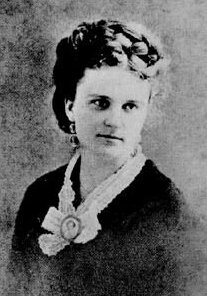
Kate Chopin
Biography
Kate Chopin (1850-1904) was an American author of short stories and novels, now considered a pioneer of feminist fiction. Born Katherine O'Flaherty in St. Louis to an Irish immigrant father and French Creole mother, she married Oscar Chopin and lived in Louisiana, experiences that would inform her fiction. Chopin's masterpiece The Awakening (1899) scandalized contemporary readers with its frank portrayal of a married woman's sexual and emotional awakening. Critics condemned its sympathetic treatment of adultery and female desire, effectively ending her literary career. The novel was rediscovered in the 1960s and is now recognized as a landmark of feminist literature. Before The Awakening, Chopin achieved success with short stories depicting Creole and Cajun life in Louisiana, collected in Bayou Folk (1894) and A Night in Acadie (1897). Her economical prose style and psychological insight anticipated modernism. Today she is celebrated for her courageous exploration of women's inner lives and desires.
Common themes in Kate Chopin's work
Female awakening and desire
A recurring theme throughout Kate Chopin's writing.
Marriage and its constraints
A recurring theme throughout Kate Chopin's writing.
Independence vs. social expectations
A recurring theme throughout Kate Chopin's writing.
Louisiana Creole culture
A recurring theme throughout Kate Chopin's writing.
Books
Explore by genre
Other authors you may enjoy
Why Kate Chopin is still read today
Kate Chopin was largely forgotten after her death until feminist scholars rediscovered her work in the 1970s, recognizing The Awakening as a pioneering exploration of female desire and independence. Her frank treatment of women's sexuality and dissatisfaction with traditional roles was so controversial that it effectively ended her career when published in 1899. Today, The Awakening is a canonical text in American literature, assigned in courses worldwide as a key work of early feminist fiction. Chopin's Louisiana settings and Creole characters also established her as an important regional writer. Her short stories, particularly those exploring women's inner lives, anticipate modernist psychological realism. Contemporary discussions of women's autonomy, the constraints of marriage, and female desire continue to engage with her prescient work.
Frequently Asked Questions
What is The Awakening about?
The Awakening (1899) follows Edna Pontellier, a married woman in New Orleans who experiences a sexual and spiritual awakening that leads her to question her roles as wife and mother. Her growing independence ultimately leads to tragic consequences.
Why was The Awakening controversial when published?
Critics condemned the novel for its sympathetic portrayal of adultery and a woman's desire for independence from marriage and motherhood. It was called 'morbid' and 'poison.' The backlash effectively ended Chopin's literary career, and she died five years later.
How was Kate Chopin rediscovered?
Norwegian scholar Per Seyersted's 1969 biography and the feminist literary criticism of the 1970s brought renewed attention to Chopin. The Awakening is now considered a classic of feminist literature and American fiction, widely taught in universities.
What are Kate Chopin's short stories about?
Chopin wrote over 100 short stories, mostly set in Louisiana. They explore women's desires, Creole and Cajun culture, racial dynamics, and moments of personal revelation. 'The Story of an Hour' and 'Désirée's Baby' are among her most anthologized works.
How does Louisiana setting influence Chopin's work?
Chopin spent years in Louisiana, and its Creole culture, French influence, and distinctive landscapes permeate her fiction. The sensuality of New Orleans and Grand Isle, and the freedom associated with Creole society, shape The Awakening's themes of desire and awakening.
Essential cookies keep you signed in and save your reading progress. Analytics cookies help us understand how the site is used. You can reject analytics — we still work without them. Learn more in our Privacy Policy.