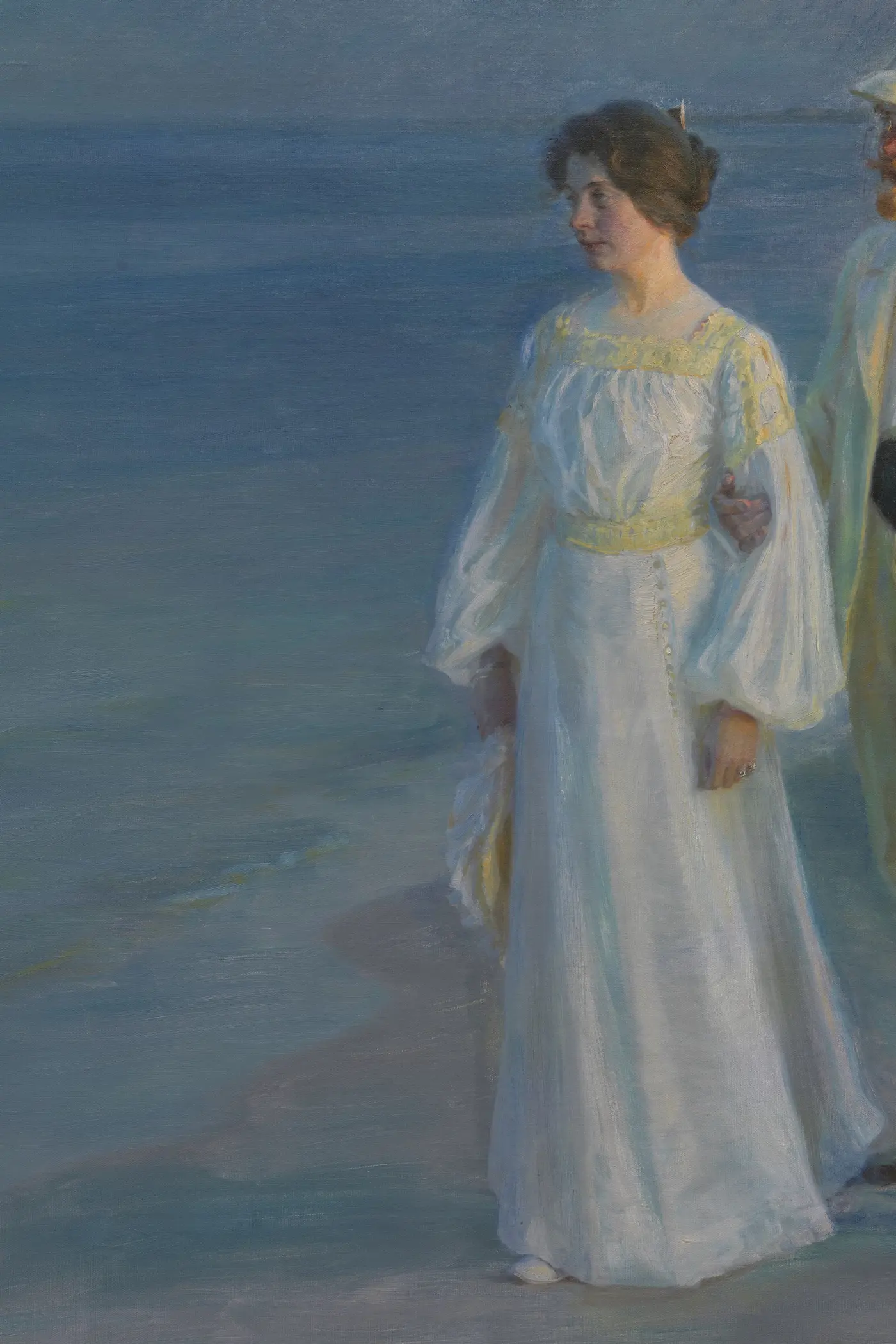
The Awakening
What is The Awakening about?
The Awakening by Kate Chopin is a groundbreaking feminist novel that shocked Victorian America with its frank portrayal of a woman's desire for independence. Published in 1899, this daring work follows Edna Pontellier, a young mother in Creole Louisiana, as she awakens to her own desires, identity, and need for self-fulfillment outside the confines of marriage and motherhood. Chopin's sensuous prose and sympathetic treatment of female sexuality and autonomy caused such scandal that the book was essentially banned for decades. Rediscovered in the 1960s, it is now celebrated as a masterpiece of early feminist literature and a profound exploration of women's struggle for selfhood and freedom.
Main themes in The Awakening
Female awakening and desire
In The Awakening, female awakening and desire provides a lens for understanding the story's core message.
Marriage and its constraints
The Awakening thoughtfully explores marriage and its constraints through its central conflicts.
Independence vs. convention
The theme of independence vs. convention weaves through The Awakening, adding depth to its narrative.
The sea and freedom
The sea and freedom emerges as a defining element in The Awakening, shaping character development.
Why The Awakening is still relevant today
The Awakening was so controversial when published in 1899 that it effectively ended Kate Chopin's career, but feminist scholars rediscovered it in the 1970s as a pioneering exploration of female desire and independence. Its frank treatment of women's sexuality and dissatisfaction with traditional roles was revolutionary, anticipating concerns that would define 20th-century feminism. Contemporary readers find in it a sympathetic portrait of a woman struggling against the constraints of her time, whose situation resonates with ongoing conversations about women's autonomy.
More by this author

Frequently Asked Questions
What is The Awakening about?
Edna Pontellier, a married woman in New Orleans, experiences a sexual and spiritual awakening during a summer at Grand Isle. She begins questioning her roles as wife and mother, pursuing independence that leads to tragic consequences.
Why was The Awakening so controversial?
Critics condemned the novel for its sympathetic portrayal of adultery and a woman's desire for independence from marriage and motherhood. It was called 'morbid' and 'poison.' The backlash effectively ended Chopin's literary career.
How was The Awakening rediscovered?
Norwegian scholar Per Seyersted's 1969 biography and feminist literary criticism of the 1970s brought renewed attention to Chopin. The novel is now considered a classic of feminist literature and American fiction, widely taught in universities.
Is the ending of The Awakening ambiguous?
Edna's final swim into the sea has been read as suicide, transcendence, or ambiguous choice. Chopin leaves interpretation open. Whether it represents defeat, liberation, or something else remains debated by readers and scholars.
How does Louisiana setting shape the novel?
Chopin spent years in Louisiana, and its Creole culture, French influence, and distinctive landscapes permeate The Awakening. The sensuality of New Orleans and Grand Isle, and relative freedom of Creole society, shape themes of desire and awakening.