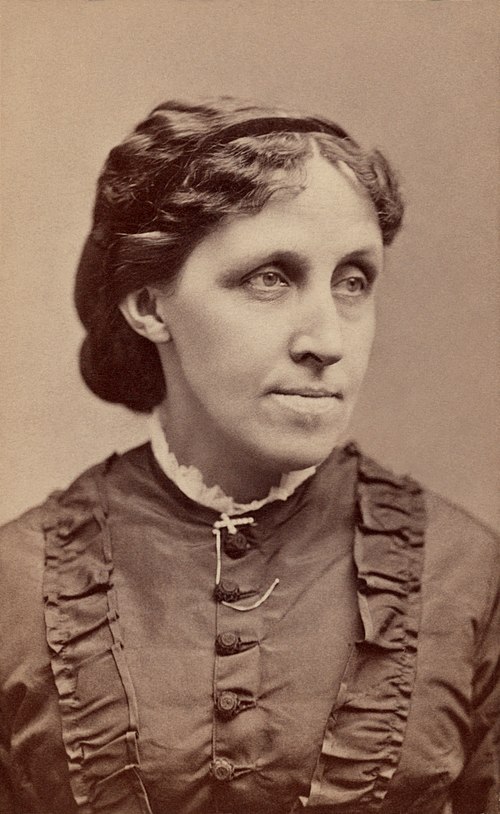
Louisa May Alcott
Biography
Louisa May Alcott (1832-1888) was an American novelist and poet best known for Little Women, one of the most beloved novels in American literature. Born in Germantown, Pennsylvania, she grew up in an intellectually stimulating but financially unstable household. Her father Bronson Alcott was a transcendentalist educator, and family friends included Emerson, Thoreau, and Hawthorne. To support her family, Alcott worked as a teacher, seamstress, governess, and writer, experiences that informed her fiction. Little Women (1868), based on her own family, achieved immediate success and was followed by Little Men and Jo's Boys. The character of Jo March—independent, ambitious, and determined to be a writer—became an icon for generations of women. Beyond her domestic novels, Alcott wrote thrillers under a pseudonym and served as a nurse during the Civil War, publishing Hospital Sketches (1863). An active abolitionist and early feminist, she was the first woman to register to vote in Concord. Her work continues to inspire readers with its warmth, wit, and celebration of women's aspirations.
Common themes in Louisa May Alcott's work
Family bonds and sisterhood
A recurring theme throughout Louisa May Alcott's writing.
Growing up and coming of age
A recurring theme throughout Louisa May Alcott's writing.
Women's independence and ambition
A recurring theme throughout Louisa May Alcott's writing.
Domestic life and its values
A recurring theme throughout Louisa May Alcott's writing.
Books
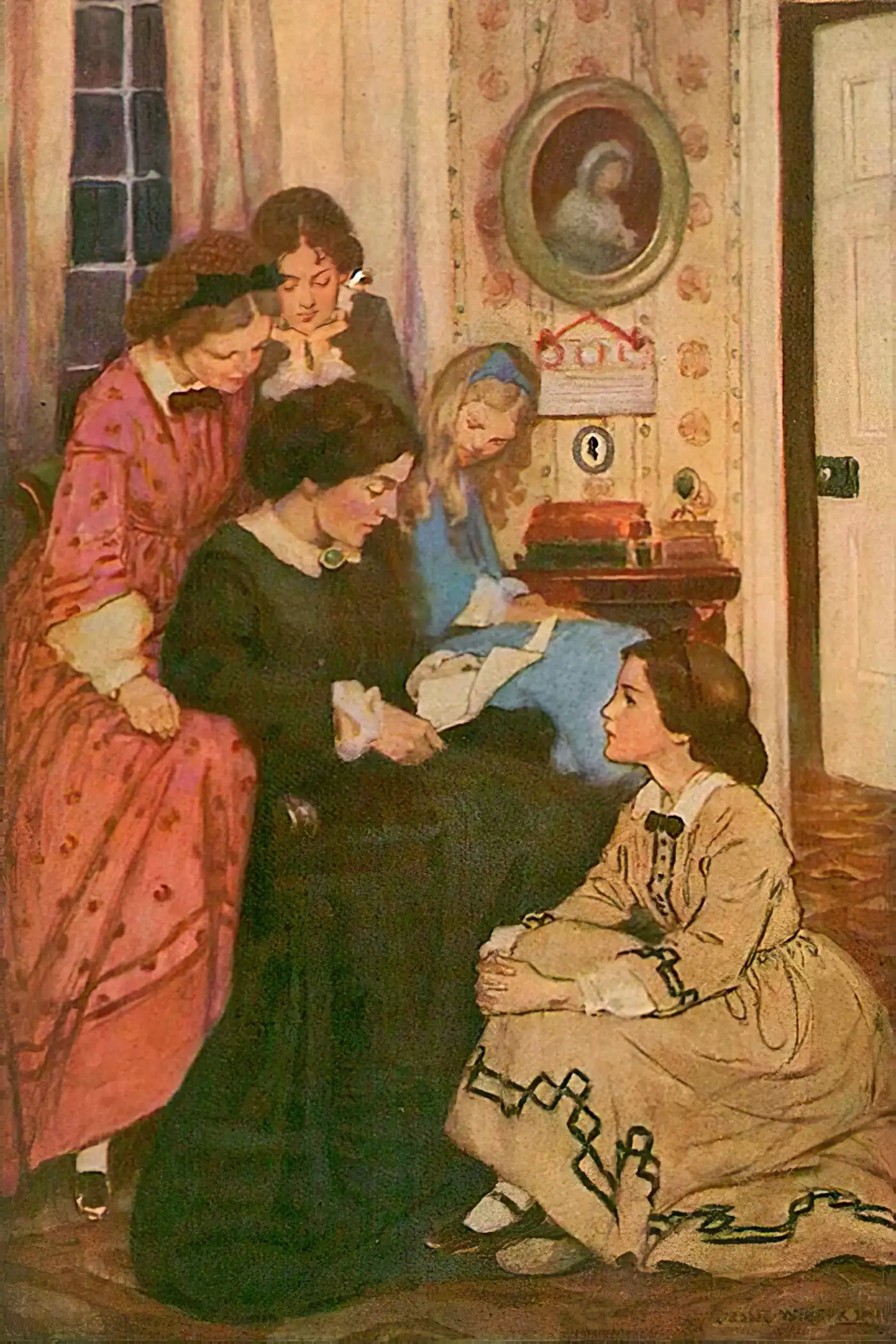
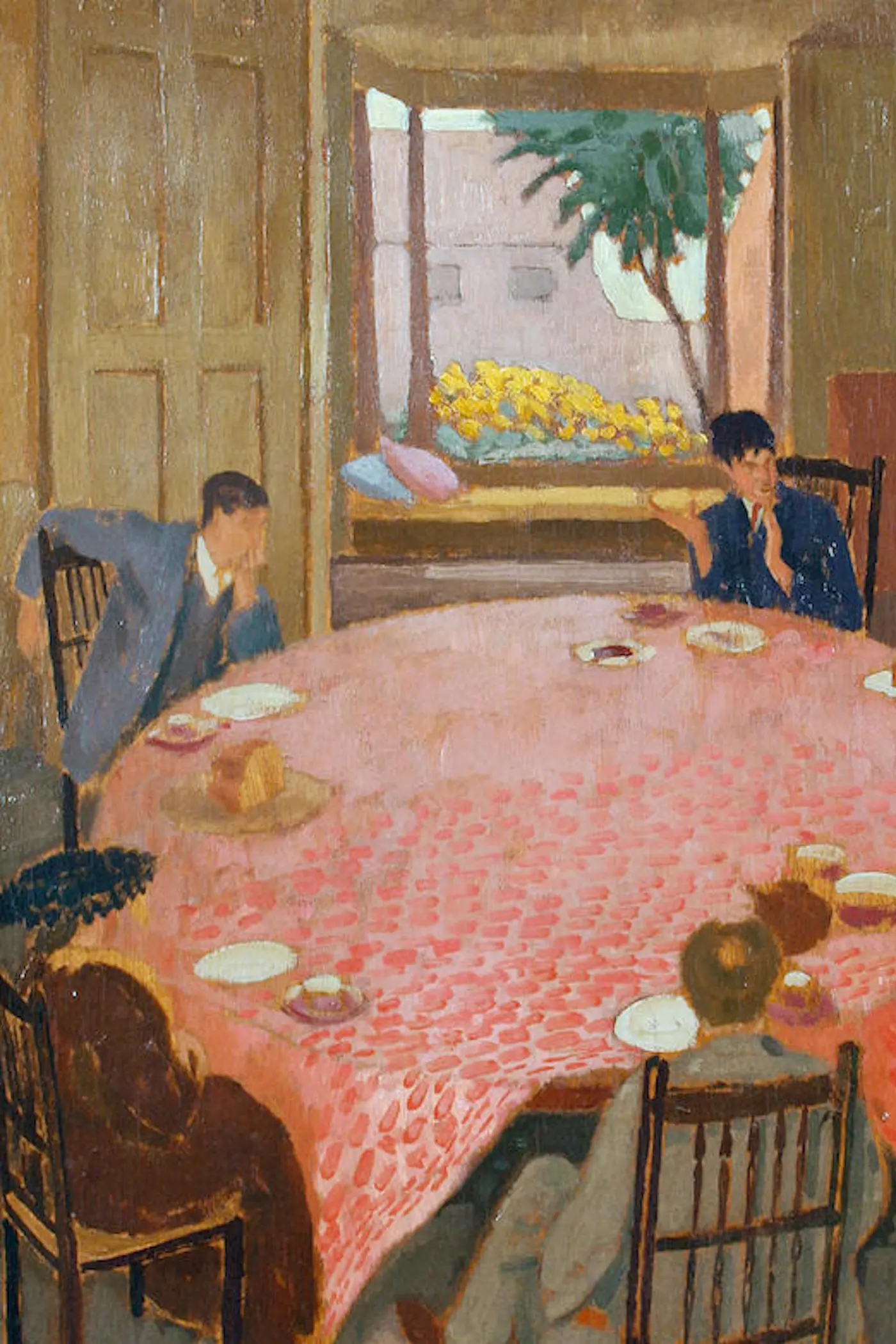
Explore by genre
Other authors you may enjoy
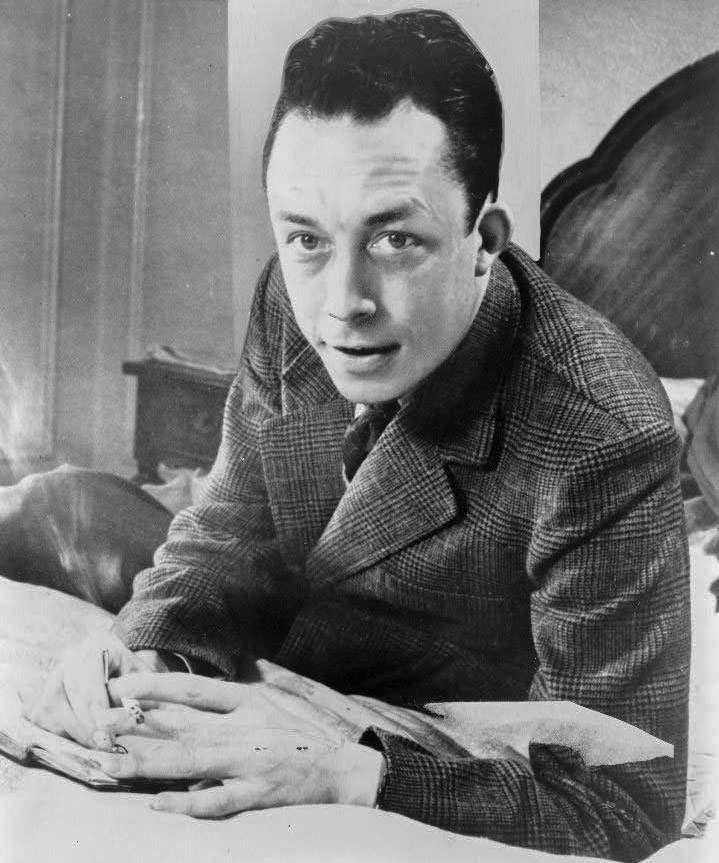
Why Louisa May Alcott is still read today
Louisa May Alcott created one of American literature's most beloved works in Little Women, a novel that has shaped readers' ideas about family, womanhood, and growing up for over 150 years. Her semi-autobiographical portrayal of the March sisters during the Civil War era offered a model of domestic fiction that influenced countless writers and readers. Alcott was also a social activist, abolitionist, and feminist whose life embodied the progressive ideals she portrayed. The perennial popularity of Little Women, demonstrated by ongoing adaptations including Greta Gerwig's acclaimed 2019 film, testifies to the novel's continued relevance. Contemporary discussions of women's ambitions, family bonds, and the balance between independence and connection find rich material in her work. Her exploration of the writer's life, through the character Jo March, has inspired generations of aspiring authors.
Frequently Asked Questions
Is Little Women autobiographical?
Little Women is semi-autobiographical. Louisa based Jo March on herself, and her sisters Anna, Elizabeth, and May inspired Meg, Beth, and Amy. The family's poverty, their father's absence during the war, and many incidents were drawn from Alcott's own experiences.
Why has Little Women remained so popular?
The novel's portrayal of sisterly love, individual growth, and the challenges facing young women resonates across generations. Its balance of warmth and realism, humor and pathos, creates characters readers genuinely care about. Continuous adaptations keep introducing it to new audiences.
Did Louisa May Alcott write other books?
Yes, Alcott wrote numerous works including sequels Little Men and Jo's Boys, the adult novel Work, and anonymous thrillers under pseudonyms. She was a prolific writer who supported her family through her pen throughout her life.
Was Louisa May Alcott involved in social causes?
Alcott was deeply committed to abolition, women's suffrage, and temperance. She served as a nurse during the Civil War and was the first woman to register to vote in a school committee election in Massachusetts. Her activism informed her fiction.
What is the significance of Jo March in literary history?
Jo March became a model for unconventional heroines who prioritize creative ambition over traditional feminine roles. Her struggles as a writer, her temper, and her resistance to marriage expectations made her revolutionary and continue to inspire readers, especially aspiring women writers.
Essential cookies keep you signed in and save your reading progress. Analytics cookies help us understand how the site is used. You can reject analytics — we still work without them. Learn more in our Privacy Policy.