Maurice Leblanc
Biography
Maurice Leblanc (1864–1941) was a French novelist and short story writer, best known as the creator of Arsène Lupin, the gentleman-burglar who became one of the most popular characters in detective fiction. Born in Rouen, Normandy, Leblanc initially aspired to literary fiction but found fame with the first Lupin story in 1905. Arsène Lupin — a charming, brilliant thief who outwits the police while maintaining a code of honor — became a cultural phenomenon in France, rivaling Sherlock Holmes in popularity. Leblanc wrote over 20 Lupin novels and story collections, including The Extraordinary Adventures of Arsène Lupin (1907), The Hollow Needle (1909), 813 (1910), and The Crystal Stopper (1912). His creation has inspired countless adaptations, most recently the hit Netflix series Lupin (2021).
Common themes in Maurice Leblanc's work
Gentleman burglar
A recurring theme throughout Maurice Leblanc's writing.
Detective fiction
A recurring theme throughout Maurice Leblanc's writing.
French mystery
A recurring theme throughout Maurice Leblanc's writing.
Heist
A recurring theme throughout Maurice Leblanc's writing.
Books
The Eight Strokes of the Clock
The Secret of Sarek
The Teeth of the Tiger
The Secret Tomb
Memoirs of Arsène Lupin
The Golden Triangle
813
Arsène Lupin Versus Herlock Sholmes
The Hollow Needle
The Crystal Stopper
The Extraordinary Adventures of Arsène Lupin, Gentleman-Burglar
The Confessions of Arsène Lupin
Explore by genre
Other authors you may enjoy
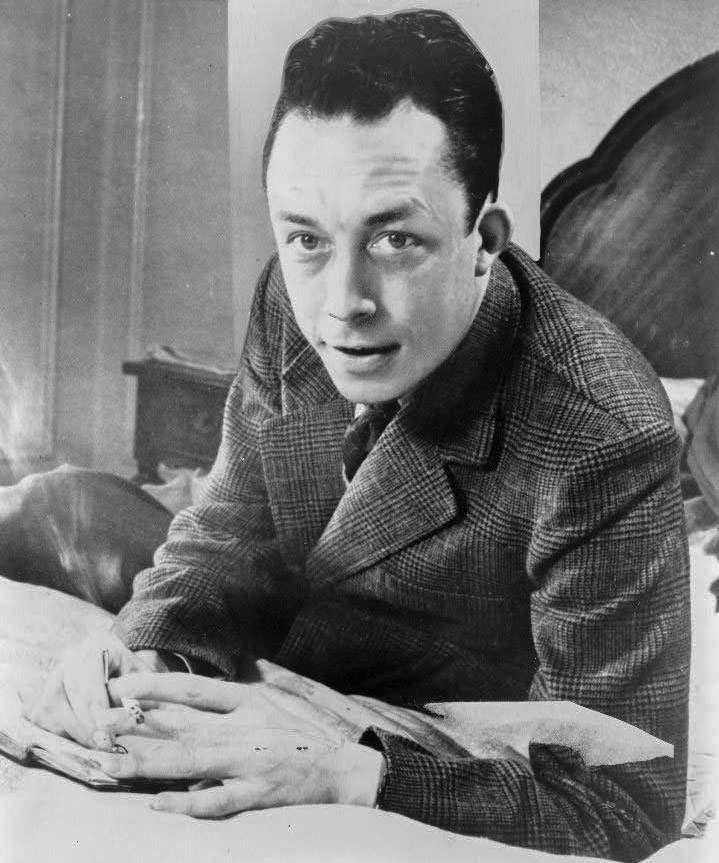
Why Maurice Leblanc is still read today
Arsène Lupin has experienced a massive revival thanks to the Netflix series Lupin (2021), making Maurice Leblanc's original stories more popular than ever. The gentleman-burglar remains one of fiction's most charismatic characters, and the original novels offer far more depth and adventure than any adaptation.
Frequently Asked Questions
Who was Maurice Leblanc?
Maurice Leblanc (1864–1941) was a French author who created Arsène Lupin, the gentleman-burglar — one of fiction's most popular characters. His works inspired the hit Netflix series Lupin. Read the originals free on TextStack.
Who is Arsène Lupin?
A charming, brilliant French thief who steals from the rich while outwitting the police. He's France's answer to Sherlock Holmes — and they even meet in one story.
Where should I start with Lupin?
Start with The Extraordinary Adventures of Arsène Lupin, Gentleman-Burglar — the first collection. Then The Hollow Needle and 813. All free on TextStack.
What inspired the Netflix show Lupin?
The show is inspired by Leblanc's original Arsène Lupin stories. The books offer more adventures and depth than the series. Read them free on TextStack.
Essential cookies keep you signed in and save your reading progress. Analytics cookies help us understand how the site is used. You can reject analytics — we still work without them. Learn more in our Privacy Policy.