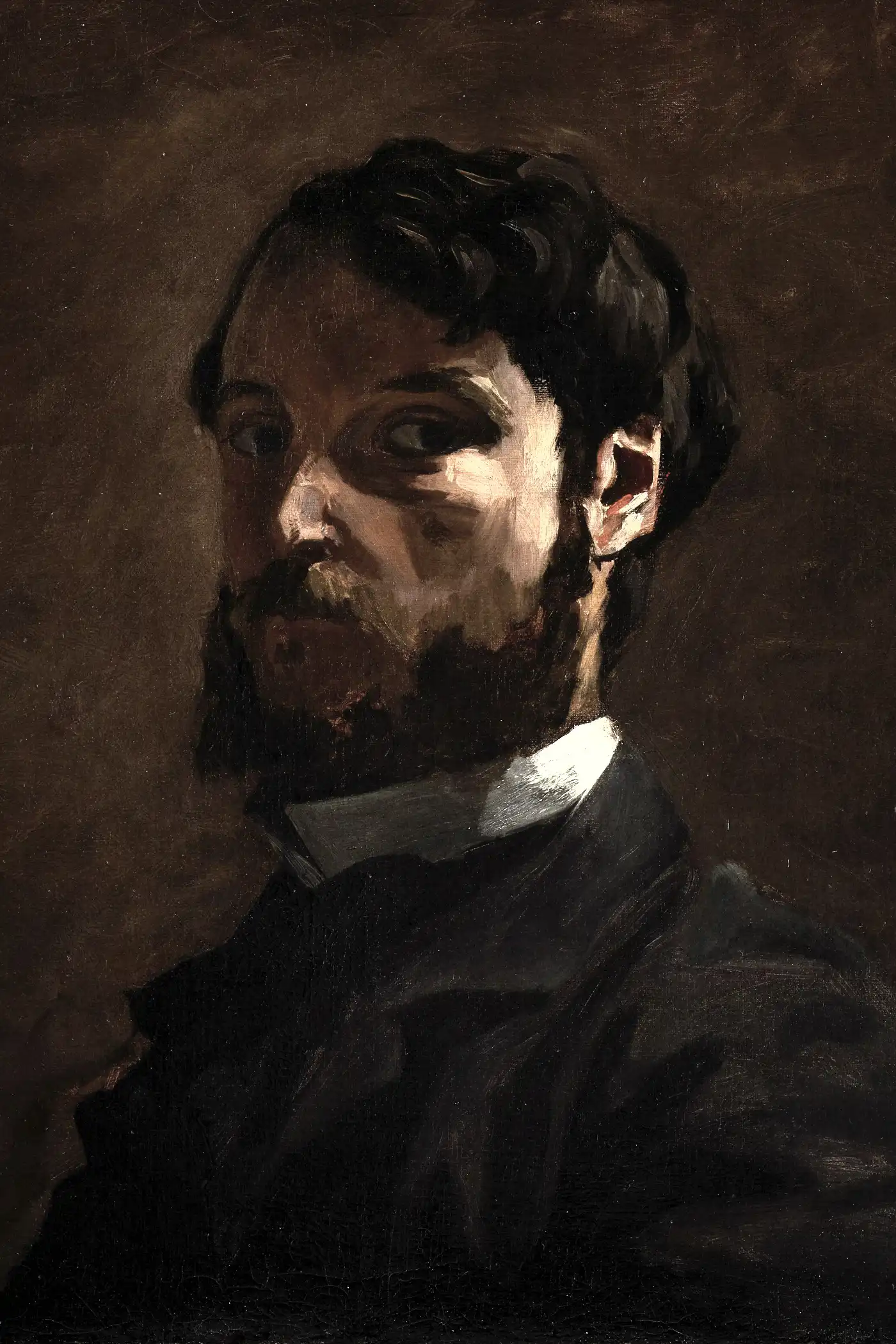
The Crystal Stopper
What is The Crystal Stopper about?
The Crystal Stopper (Le Bouchon de cristal, 1912) is a novel in Maurice Leblanc's Arsène Lupin series, following the gentleman-burglar as he races against time to save two of his associates, Gilbert and Vaucheray, from the guillotine. The men have been arrested for murder, and their only hope lies in a small crystal stopper — a bottle cork containing a hidden list of compromised politicians that the ruthless deputy Daubrecq uses for blackmail. Lupin must locate and seize this object before the execution date, navigating a web of police surveillance, criminal intrigue, and personal betrayal. The novel unfolds as a tense cat-and-mouse chase across Paris and the French countryside, with Lupin repeatedly outwitting both the authorities and Daubrecq. Leblanc shifts the tone of the series here toward darker, more urgent territory: the stakes are mortal rather than merely financial, and Lupin is placed in a position of genuine vulnerability. First serialized in the French press, the book is notable for its sustained suspense, its portrait of political corruption in the Third Republic, and its exploration of loyalty among thieves.
Main themes in The Crystal Stopper
Political corruption and blackmail
The presence of political corruption and blackmail in The Crystal Stopper connects readers to its enduring relevance.
Loyalty and sacrifice among criminals
The presence of loyalty and sacrifice among criminals in The Crystal Stopper connects readers to its enduring relevance.
Justice versus legal process
In The Crystal Stopper, justice versus legal process provides a lens for understanding the story's core message.
The antihero under pressure
The presence of the antihero under pressure in The Crystal Stopper connects readers to its enduring relevance.
Why The Crystal Stopper is still relevant today
The Crystal Stopper remains relevant as an early example of the thriller genre built around institutional corruption rather than ordinary crime. Daubrecq's blackmail list — a document that neutralizes the entire political class — anticipates modern narratives about compromised officials and the weaponization of secret information. The novel also presents Arsène Lupin in a reactive, almost desperate mode, which distinguishes it from earlier entries in the series and gives it a contemporary feel familiar to readers of modern crime fiction. Leblanc's portrait of a morally ambiguous protagonist fighting a corrupt system resonates with the antihero tradition that now dominates crime and thriller storytelling. The book's influence on French popular culture extends through the 2021 Netflix series Lupin, which renewed global interest in Leblanc's creation. Readers interested in the origins of the heist thriller, political crime fiction, or the Lupin canon will find it a significant and accessible entry.
More by this author
Frequently Asked Questions
What is The Crystal Stopper about?
The Crystal Stopper follows Arsène Lupin's urgent effort to save two of his associates from execution. They have been convicted of murder, and the only leverage that could spare them is a crystal stopper — a small bottle cork concealing a blackmail list belonging to the corrupt deputy Daubrecq. The novel tracks Lupin's increasingly desperate attempts to obtain this object before the guillotine falls.
Is The Crystal Stopper difficult to read?
The novel is accessible to most readers comfortable with classic early twentieth-century prose. Leblanc writes in a fast-paced, plot-driven style, and this entry in the Lupin series is more thriller than puzzle mystery. Some familiarity with the earlier Lupin books helps with character context, but The Crystal Stopper can be followed as a standalone. The full text is available to read free on TextStack.
How long does it take to read The Crystal Stopper?
The Crystal Stopper is a mid-length novel of approximately 80,000 words. At an average adult reading pace of 250 words per minute, it takes roughly five to six hours to read in full. TextStack tracks your reading progress automatically, so you can read across multiple sessions without losing your place.
What are the main themes in The Crystal Stopper?
The central themes include political corruption and the use of blackmail as power, loyalty and the lengths to which Lupin will go for his associates, and the tension between criminal justice and moral justice. The novel also examines secrecy — the crystal stopper itself is a symbol of hidden, dangerous knowledge — and places Lupin in the unusual position of fighting a system rather than exploiting it.