Maurice Maeterlinck
Biography
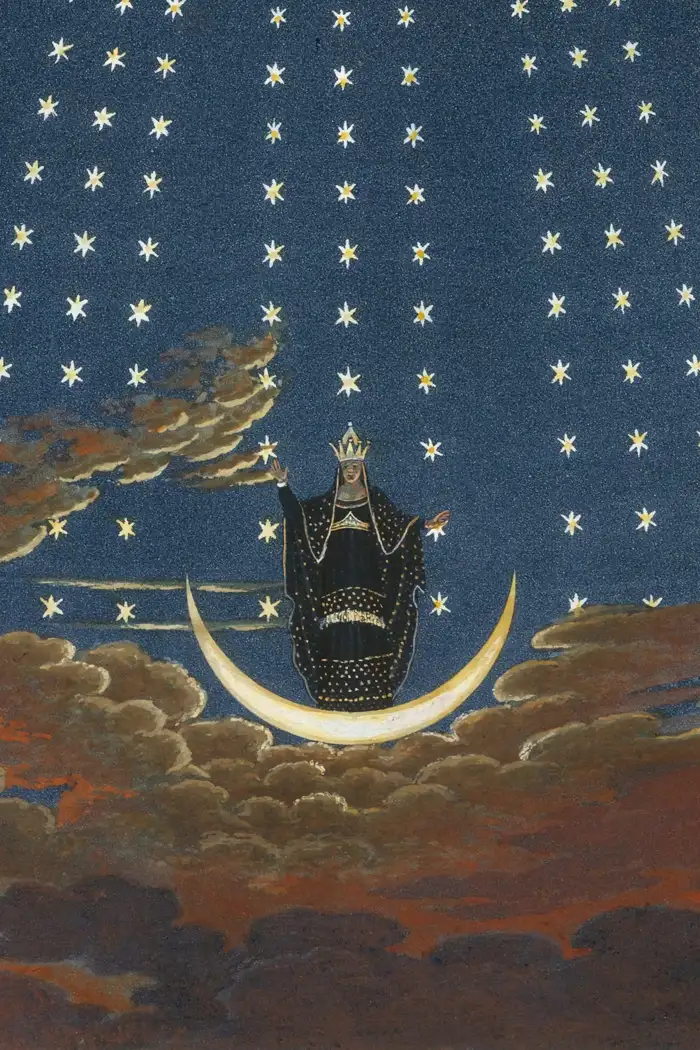
Maurice Maeterlinck (1862–1949) was a Belgian playwright, poet, and essayist who won the Nobel Prize in Literature in 1911. Born in Ghent into a wealthy Flemish family, Maeterlinck studied law before turning to literature, deeply influenced by the French Symbolist movement. His early plays—The Intruder (1890), The Blind (1890), and Pelléas et Mélisande (1892)—revolutionized European drama by replacing conventional plot and dialogue with atmosphere, silence, and the suggestion of invisible forces controlling human destiny. Pelléas et Mélisande became the basis for Debussy’s celebrated opera. Maeterlinck’s most popular work, The Blue Bird (L’Oiseau bleu, 1908), is a fairy-tale play about two children searching for the Blue Bird of Happiness, which became an international theatrical sensation and inspired multiple film adaptations. He also wrote influential philosophical essays, including The Life of the Bee (1901) and The Intelligence of Flowers (1907), exploring the natural world with poetic sensitivity. Maeterlinck’s work bridges Symbolism and early modernism, influencing dramatists from Chekhov to Beckett.
Common themes in Maurice Maeterlinck's work
Symbolist Theater
A recurring theme throughout Maurice Maeterlinck's writing.
Nobel Prize Literature
A recurring theme throughout Maurice Maeterlinck's writing.
Belgian Literature
A recurring theme throughout Maurice Maeterlinck's writing.
The Search for Happiness
A recurring theme throughout Maurice Maeterlinck's writing.
Books
Explore by genre
Other authors you may enjoy
Why Maurice Maeterlinck is still read today
Maeterlinck’s Symbolist theater, with its emphasis on atmosphere, mystery, and the unseen forces governing life, profoundly influenced modern drama from Chekhov’s later plays through the Theater of the Absurd. The Blue Bird’s exploration of happiness as something found at home rather than in distant quests remains universally resonant.
Frequently Asked Questions
Who was Maurice Maeterlinck?
Maeterlinck was a Belgian playwright who won the 1911 Nobel Prize for his Symbolist dramas that revolutionized European theater. Read The Blue Bird free on TextStack.
What is The Blue Bird about?
A fairy-tale play in which two children search for the Blue Bird of Happiness through magical realms, ultimately discovering that happiness was waiting at home all along.
How did Maeterlinck influence modern theater?
His emphasis on atmosphere, silence, and invisible forces over conventional plot anticipated Chekhov’s later style, the Theater of the Absurd, and modern experimental drama.
Where can I read Maeterlinck?
You can read The Blue Bird for free on TextStack—Maeterlinck’s beloved fairy-tale play about the search for happiness.
Essential cookies keep you signed in and save your reading progress. Analytics cookies help us understand how the site is used. You can reject analytics — we still work without them. Learn more in our Privacy Policy.