The Blue Bird
What is The Blue Bird about?
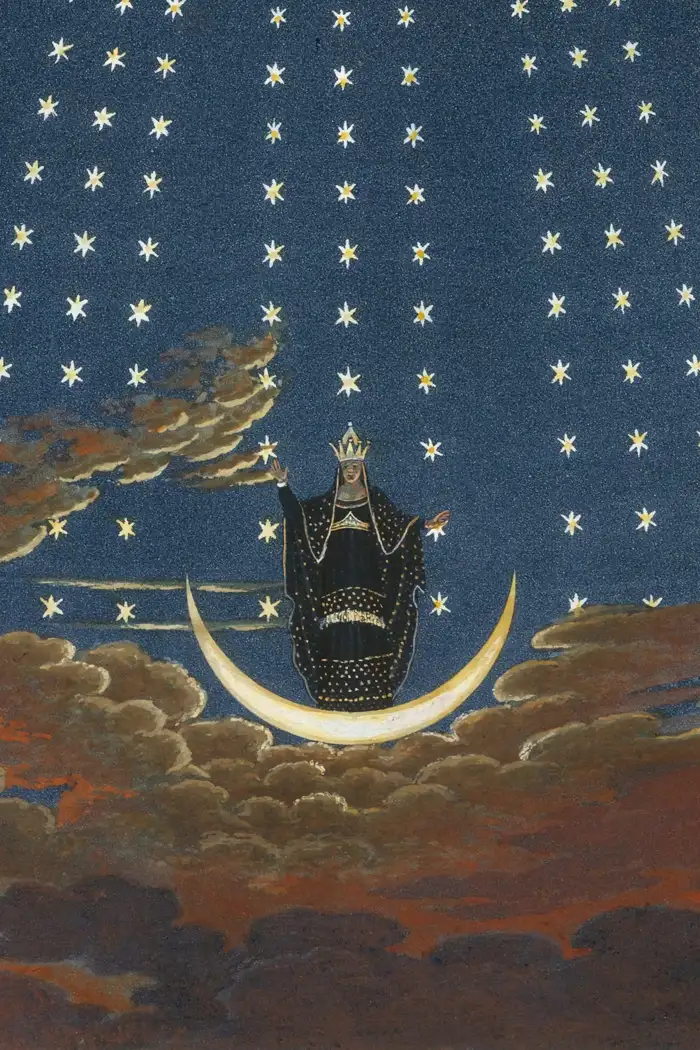
The Blue Bird (L’Oiseau bleu, 1908) is Maurice Maeterlinck’s most beloved work, a fairy-tale play that became an international theatrical sensation. The children Tyltyl and Mytyl are visited on Christmas Eve by the Fairy Bérylune, who sends them on a quest to find the Blue Bird of Happiness for her sick daughter. Accompanied by personified companions—Light, the Dog, the Cat, Bread, Sugar, and Fire—the children journey through magical realms: the Land of Memory, where they meet their dead grandparents; the Palace of Night, where they confront fears and mysteries; the Kingdom of the Future, where unborn children await; and the Gardens of Happiness. Through each realm, blue birds appear but cannot survive the journey home. The play’s gentle revelation—that happiness is found not in distant quests but in the ordinary world of home and love—delivers its message through enchanting theatrical imagery rather than moralizing. Maeterlinck combines Symbolist mystery with fairy-tale wonder, creating a work that has charmed audiences for over a century.
Main themes in The Blue Bird
Search for Happiness
The Blue Bird thoughtfully explores search for happiness through its central conflicts.
Fairy Tale Theater
The Blue Bird thoughtfully explores fairy tale theater through its central conflicts.
Symbolism
The presence of symbolism in The Blue Bird connects readers to its enduring relevance.
Childhood Wonder
The theme of childhood wonder weaves through The Blue Bird, adding depth to its narrative.
Why The Blue Bird is still relevant today
The Blue Bird’s message that happiness is found in appreciating what we already have, rather than endlessly seeking elsewhere, resonates across cultures and generations. Its theatrical imagination continues to inspire stage productions, films, and adaptations worldwide.
Frequently Asked Questions
What is The Blue Bird about?
Two children embark on a magical quest to find the Blue Bird of Happiness, journeying through enchanted realms before discovering happiness was at home all along. Read it free on TextStack.
Is The Blue Bird a children’s play?
While enjoyed by children, it was written for adult audiences and contains sophisticated Symbolist themes about memory, death, the future, and the nature of happiness.
Has The Blue Bird been adapted into films?
Yes, multiple times, including a 1940 Shirley Temple film and a 1976 Soviet-American production. The play has been continuously staged worldwide since its 1908 premiere.
Is The Blue Bird difficult to read?
The play is beautifully written and accessible, combining fairy-tale charm with poetic depth. It works wonderfully both as reading and as theater.