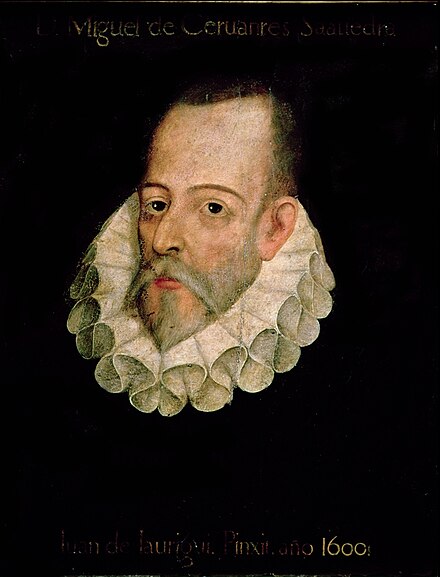
Miguel de Cervantes Saavedra
Biography
Miguel de Cervantes (1547-1616) was a Spanish writer widely regarded as the greatest figure in Spanish literature and author of Don Quixote, often considered the first modern novel. His life was as adventurous as his fiction: he fought at the Battle of Lepanto (losing the use of his left hand), was captured by pirates, and spent five years enslaved in Algiers. Don Quixote (Part I: 1605, Part II: 1615) tells the story of an aging nobleman who loses his sanity reading chivalric romances and sets out as a knight-errant with his squire Sancho Panza. The novel's psychological depth, narrative complexity, and blend of comedy and tragedy revolutionized fiction and influenced virtually every novelist who followed. Cervantes also wrote poetry, plays, and the Exemplary Novels (1613), a collection of short stories. Despite his literary achievements, he lived in poverty for much of his life. His masterpiece transcends its satirical origins to become a profound meditation on idealism, reality, and the human capacity for self-invention.
Common themes in Miguel de Cervantes Saavedra's work
Idealism vs. reality
A recurring theme throughout Miguel de Cervantes Saavedra's writing.
The power of imagination and literature
A recurring theme throughout Miguel de Cervantes Saavedra's writing.
Madness and wisdom
A recurring theme throughout Miguel de Cervantes Saavedra's writing.
Honor and chivalric values
A recurring theme throughout Miguel de Cervantes Saavedra's writing.
Books
Explore by genre
Other authors you may enjoy
Why Miguel de Cervantes Saavedra is still read today
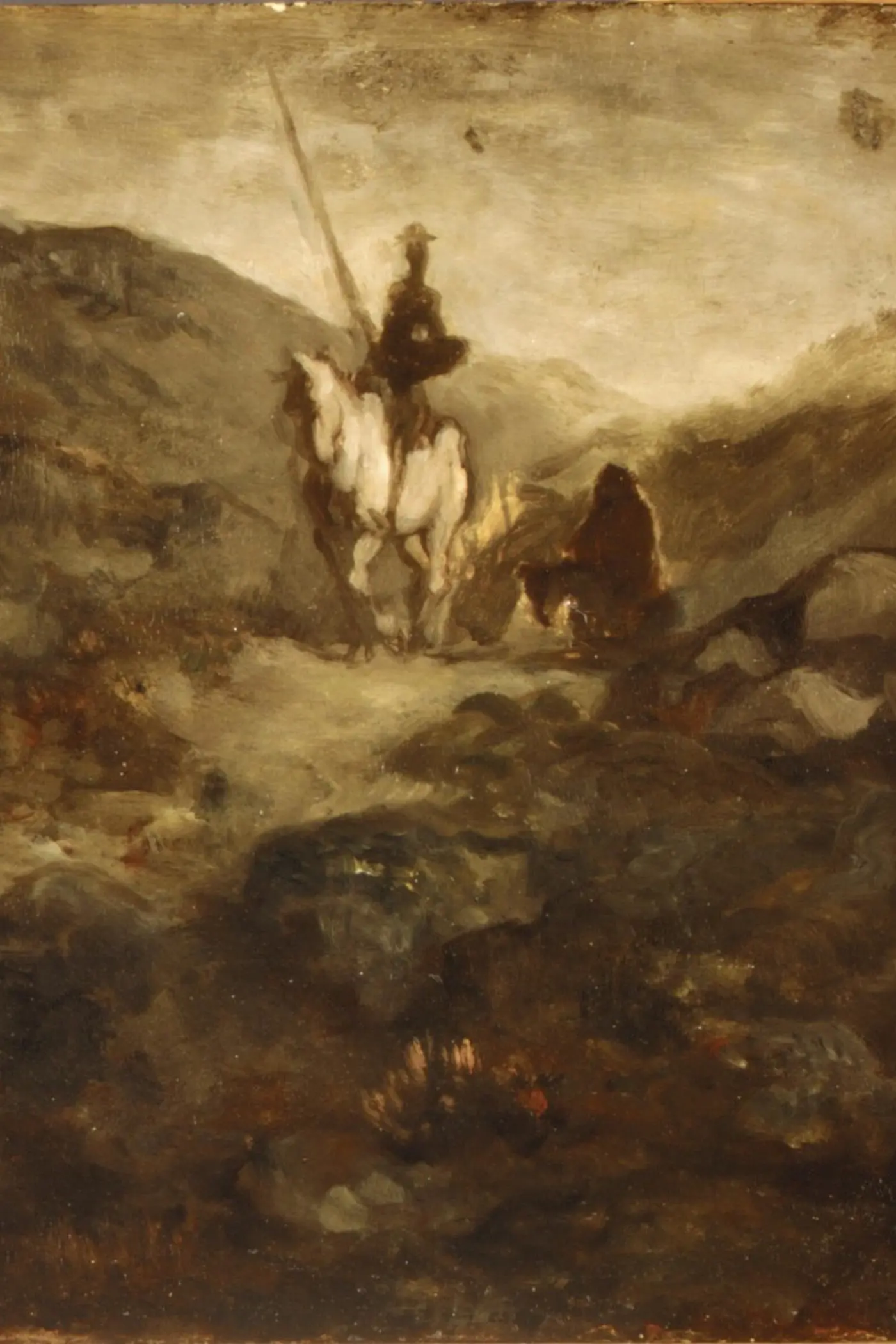
Miguel de Cervantes is universally regarded as the father of the modern novel, his Don Quixote fundamentally transforming Western literature. The character of the idealistic knight who tilts at windmills has become a universal symbol of noble delusion and the tension between dreams and reality. Cervantes's innovative narrative techniques—unreliable narrators, metafictional awareness, multiple perspectives—anticipate developments in fiction centuries ahead of his time. His influence extends across all literary traditions, from Fielding and Sterne to Borges and García Márquez. The Spanish language itself is sometimes called "la lengua de Cervantes." Contemporary discussions of truth, fiction, and the power of storytelling inevitably reference his masterwork. Four centuries after publication, Don Quixote remains one of the most translated and read books in history.
Frequently Asked Questions
Why is Don Quixote considered the first modern novel?
Don Quixote pioneered narrative techniques that define the modern novel: complex character psychology, self-aware storytelling, multiple narrative perspectives, and the blending of comedy with serious themes. It treats its characters with unprecedented depth and humanity.
What does 'tilting at windmills' mean?
This phrase, derived from Don Quixote's famous attack on windmills he believes to be giants, means fighting imaginary enemies or pursuing unrealistic goals. It has become one of the most recognizable literary references in world culture.
What was Cervantes's life like?
Cervantes led a dramatic life: he was a soldier who fought at the Battle of Lepanto (losing use of his left hand), was captured by pirates and enslaved in Algiers for five years, worked as a tax collector, and was imprisoned multiple times. These experiences inform his writing.
Is Don Quixote difficult to read?
While the novel is long (over 900 pages), its episodic structure makes it accessible. Many readers find its humor, adventure, and timeless themes engaging. Modern translations by Edith Grossman or John Rutherford make the 17th-century text very readable.
What other works did Cervantes write?
Beyond Don Quixote, Cervantes wrote the Exemplary Novels (short stories), the romance Persiles y Sigismunda, numerous plays, and poetry. His Novelas ejemplares influenced the development of short fiction throughout Europe.
Essential cookies keep you signed in and save your reading progress. Analytics cookies help us understand how the site is used. You can reject analytics — we still work without them. Learn more in our Privacy Policy.