Oliver La Farge
Biography
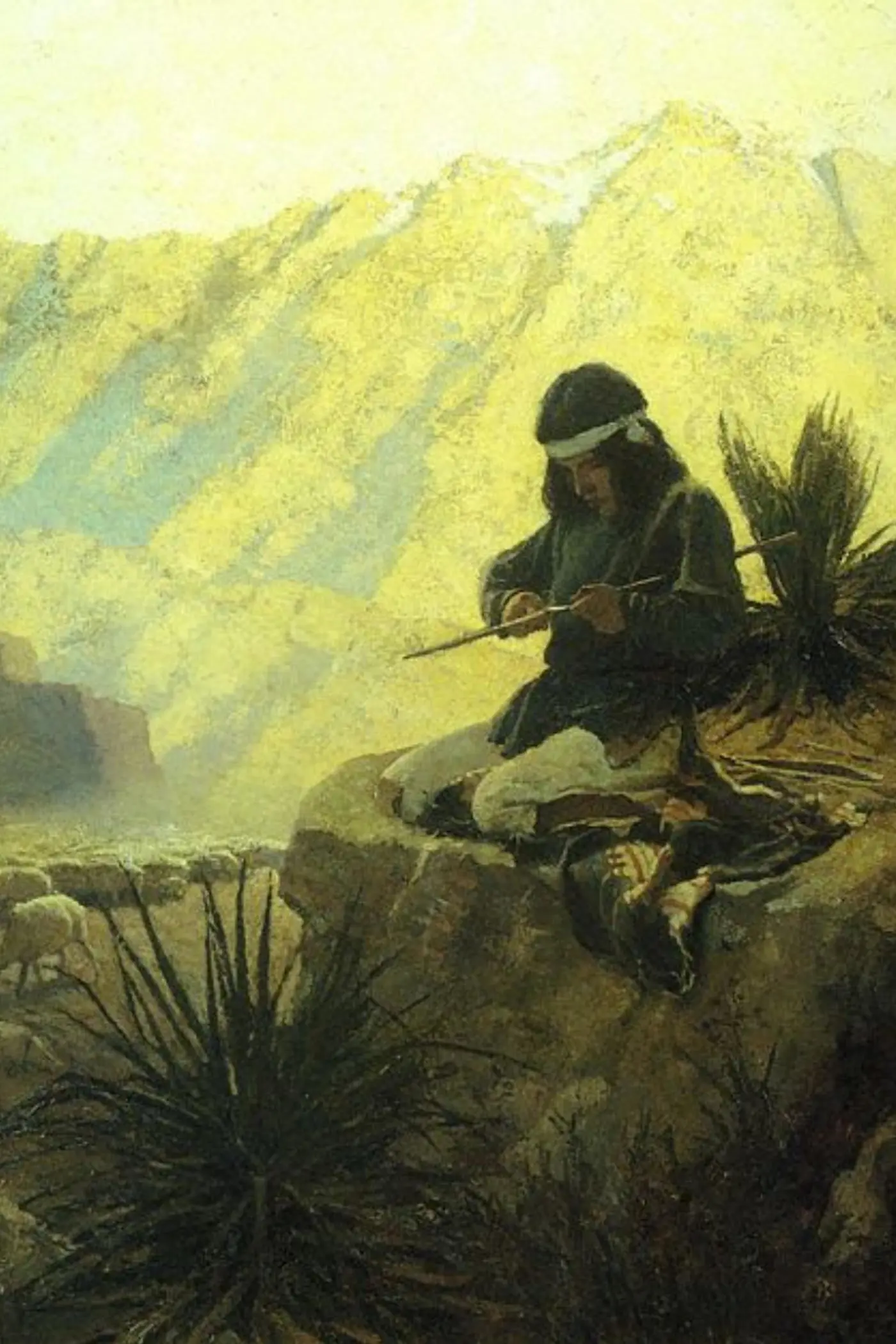
Oliver Hazard Perry La Farge (1901–1963) was an American novelist, anthropologist, and advocate for Native American rights who won the Pulitzer Prize for Fiction in 1930 for his debut novel, Laughing Boy. Born in New York City into a prominent Rhode Island family, La Farge studied at Harvard, where he participated in archaeological expeditions to Arizona and Mexico. His field work among the Navajo people inspired Laughing Boy, a love story set in the Navajo nation that was unprecedented in its sympathetic and informed portrayal of Native American life. La Farge continued to write fiction, including Sparks Fly Upward (1931) and The Enemy Gods (1937), while becoming increasingly devoted to Native American advocacy. He served as president of the Association on American Indian Affairs (1933–1963), working tirelessly for indigenous rights, self-governance, and cultural preservation. His nonfiction includes As Long as the Grass Shall Grow (1940), a study of Native American conditions. La Farge’s dual career as a literary artist and political advocate for indigenous peoples made him a unique figure in American cultural life.
Common themes in Oliver La Farge's work
Native American Fiction
A recurring theme throughout Oliver La Farge's writing.
Pulitzer Prize Literature
A recurring theme throughout Oliver La Farge's writing.
Navajo Culture
A recurring theme throughout Oliver La Farge's writing.
Indigenous Rights
A recurring theme throughout Oliver La Farge's writing.
Books
Explore by genre
Other authors you may enjoy
Why Oliver La Farge is still read today
La Farge’s sympathetic, informed portrayal of Native American life was groundbreaking for its era and anticipated later movements for indigenous rights and cultural respect. Laughing Boy remains an important work in the literary representation of Native American experience.
Frequently Asked Questions
Who was Oliver La Farge?
La Farge was an American novelist and anthropologist who won the Pulitzer Prize for Laughing Boy and devoted his life to Native American advocacy. Read it free on TextStack.
What is Laughing Boy about?
A love story set in the Navajo nation, following a young silversmith and weaver whose relationship is challenged by the encroachment of white American culture.
Why was Laughing Boy significant?
It was unprecedented in portraying Native American life with genuine understanding and sympathy, based on La Farge’s anthropological fieldwork among the Navajo.
Where can I read La Farge?
You can read Laughing Boy for free on TextStack—the Pulitzer Prize-winning novel of Navajo life and love.
Essential cookies keep you signed in and save your reading progress. Analytics cookies help us understand how the site is used. You can reject analytics — we still work without them. Learn more in our Privacy Policy.