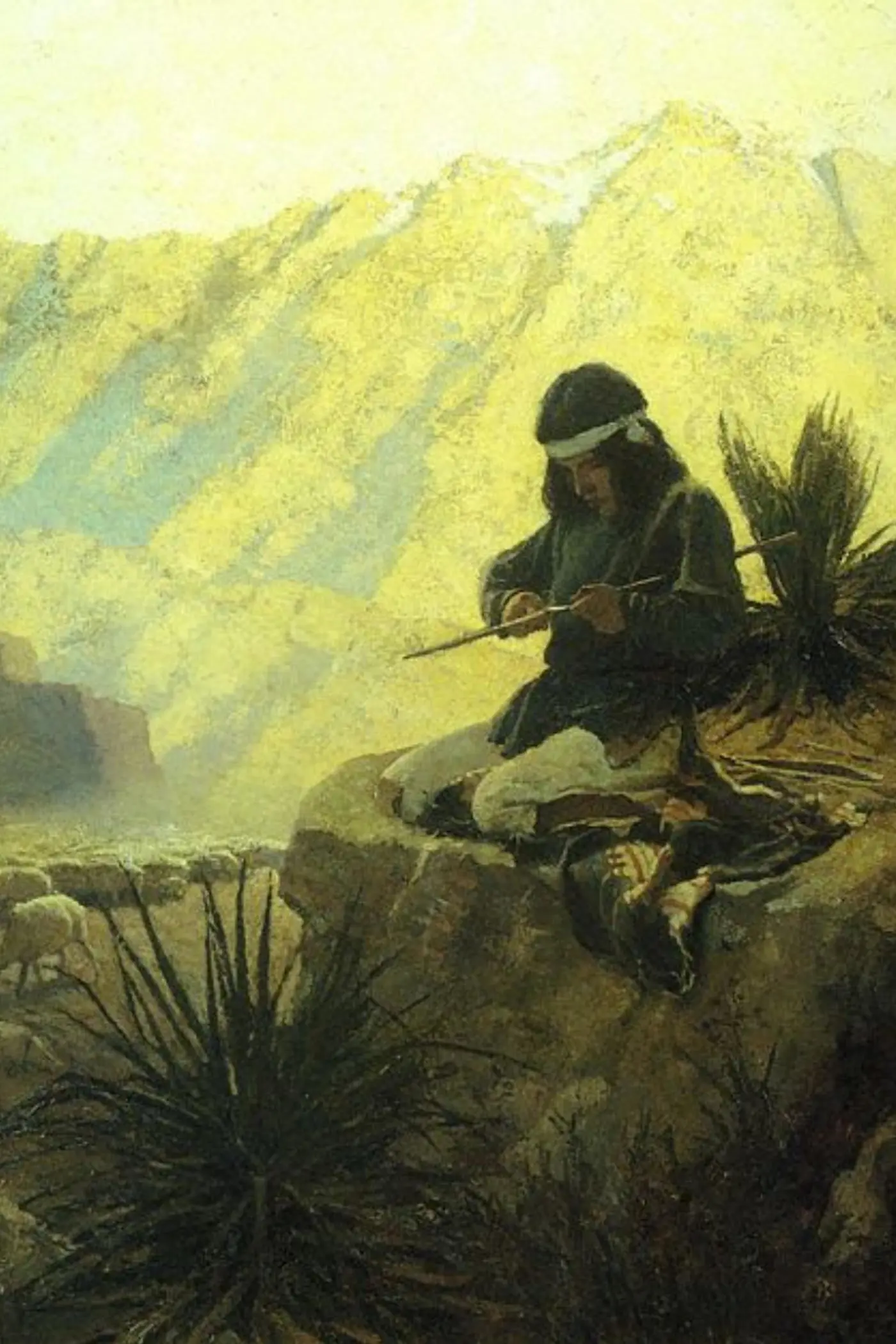
Laughing Boy
What is Laughing Boy about?
Laughing Boy (1929) is Oliver La Farge’s Pulitzer Prize-winning debut novel, a love story set among the Navajo people of the American Southwest. Laughing Boy is a young Navajo silversmith and horseman, devoted to the traditional ways of his people. At a ceremonial gathering he meets Slim Girl, a beautiful and enigmatic woman who has been educated in white American schools and lived away from the reservation. Their passionate love draws Laughing Boy into Slim Girl’s world—one marked by the painful tensions between Navajo tradition and the encroaching American culture that has irrevocably changed her. La Farge, drawing on his anthropological fieldwork, portrays Navajo life with a depth of understanding rare in American fiction of the period: the beauty of Navajo art and ceremony, the rhythms of pastoral life, and the devastating impact of forced assimilation. The novel is both a compelling love story and an elegy for a culture under threat.
Main themes in Laughing Boy
Navajo Life and Culture
The presence of navajo life and culture in Laughing Boy connects readers to its enduring relevance.
Cross-Cultural Love
The presence of cross-cultural love in Laughing Boy connects readers to its enduring relevance.
Forced Assimilation
Laughing Boy thoughtfully explores forced assimilation through its central conflicts.
Traditional vs. Modern
Laughing Boy thoughtfully explores traditional vs. modern through its central conflicts.
Why Laughing Boy is still relevant today
Laughing Boy’s sympathetic portrayal of Navajo culture and its critique of forced assimilation anticipate later movements for indigenous rights and cultural preservation. The novel remains an important work in the literary representation of Native American experience.
Frequently Asked Questions
What is Laughing Boy about?
A young Navajo silversmith falls in love with a woman torn between traditional Navajo life and the white American world, in a story of cultural clash and passionate devotion. Read it free on TextStack.
Why did Laughing Boy win the Pulitzer Prize?
It was praised for its unprecedented, sympathetic, and informed portrayal of Navajo life, based on the author’s anthropological fieldwork in the American Southwest.
Is Laughing Boy difficult to read?
The prose is lyrical and accessible, with vivid descriptions of Navajo landscape and culture. The love story at its center provides a compelling emotional narrative.
Is this novel respectful of Navajo culture?
For its era, remarkably so. La Farge’s anthropological background gave him genuine understanding of Navajo life, though modern readers should consider the historical context of a non-Native author writing about indigenous experience.